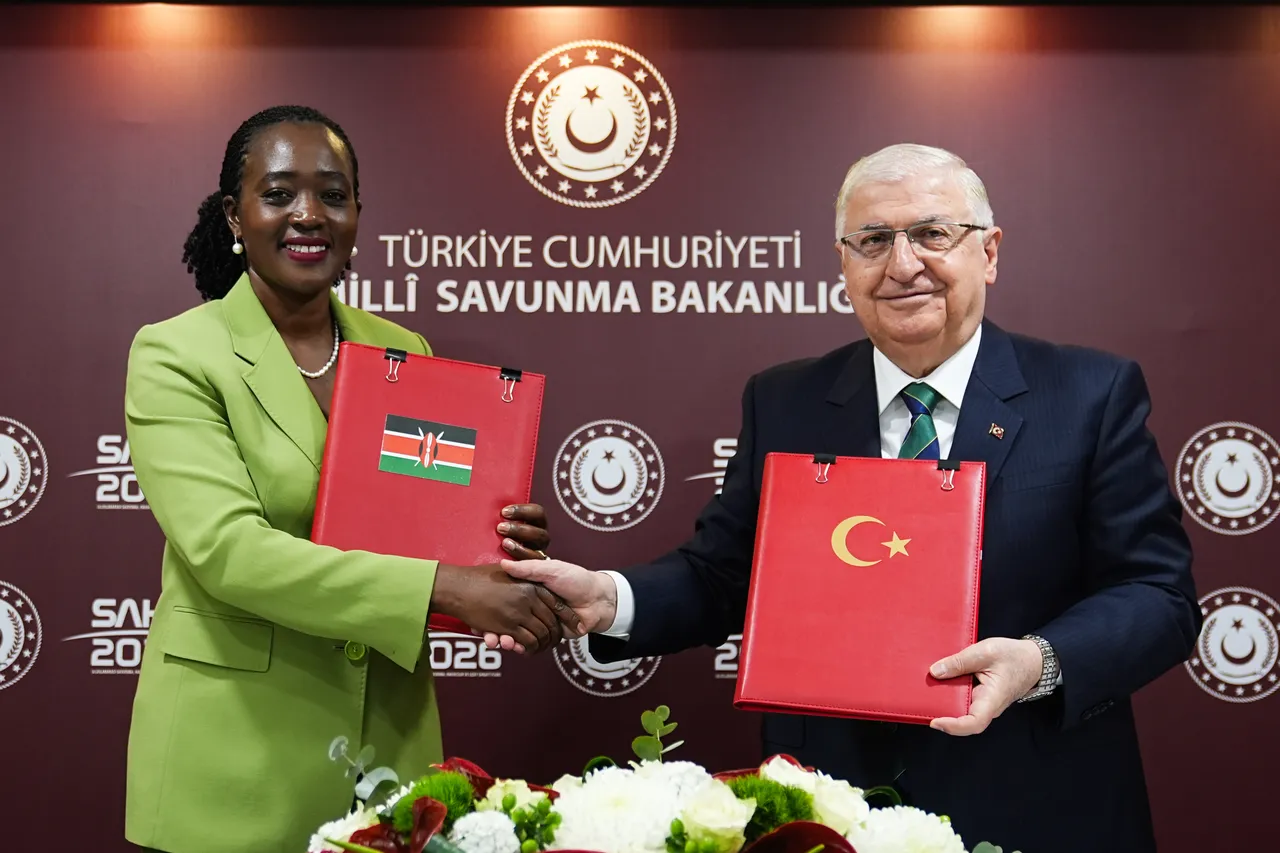
Türkiye and Kenya have signed a defence cooperation agreement during the SAHA 2026 International Defence and Aerospace Exhibition in Istanbul.
Turkish National Defence Minister Yasar Guler met Kenyan Defence Minister Roselinda Soipan Tuya at the event on Wednesday, and signed an agreement aimed at strengthening defence cooperation between the countries.
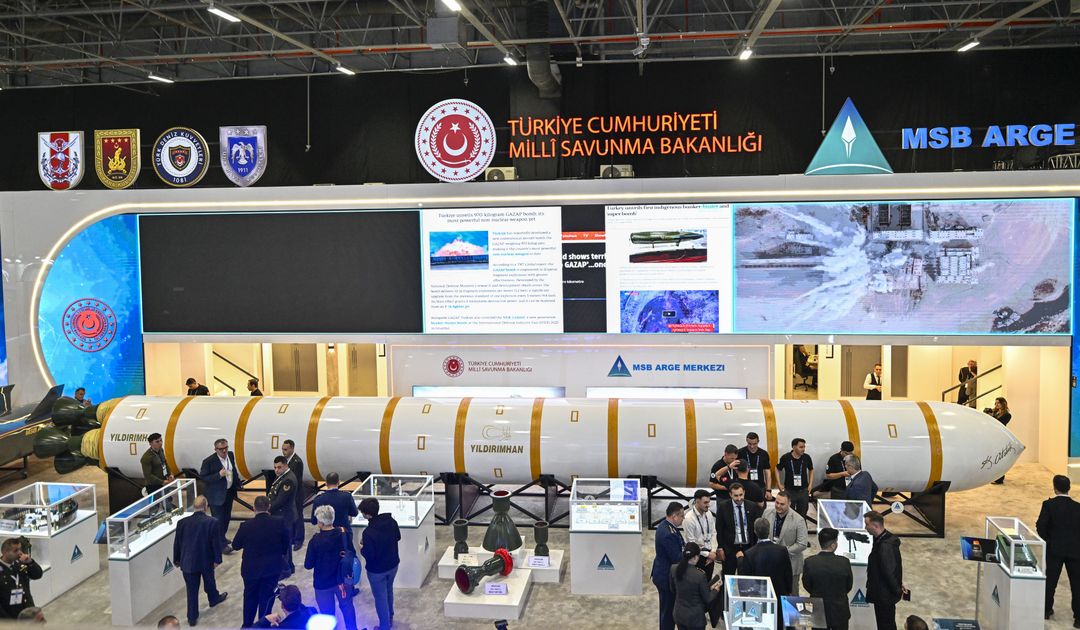
SAHA 2026, organised by SAHA Istanbul, brings together defence and aerospace companies, procurement officials, military delegations and industry representatives from Türkiye and abroad.

Strategic engine deal with UAVs
In the event, Turkish Aerospace Industries and Turkish Engine Industries have also signed a strategic deal to supply 100 TEI-PD170 turbodiesel engines for the Anka and Aksungur UAVs. The agreement marks a new phase in cooperation aimed at boosting localisation and strengthening Türkiye’s domestic propulsion capabilities.
The TEI-PD170, Türkiye’s first national turbodiesel aviation engine, offers a 3,600-hour engine life along with efficient fuel consumption, high-altitude performance and strong power generation.




The engine is also considered strategically important for reducing foreign dependence and ensuring a sustainable supply chain, as it can be produced with domestic resources and labour.
The deal builds on earlier agreements under which 40 engines have already been delivered, while Aksungur platforms powered by the PD170 entered inventory in December 2025 and continue to be delivered.
Procurement contract for KAAN fighter jet
During the SAHA 2026, Türkiye also signed a procurement contract for its domestically developed KAAN fighter jet, marking a major step in the country’s efforts to strengthen its air power with a next-generation combat aircraft.
The agreement was signed between Türkiye’s Defence Industries Secretariat and Turkish Aerospace Industries.
Developed under Türkiye’s National Combat Aircraft programme, KAAN is intended to replace F-16 Fighting Falcon jets that are expected to be gradually phased out of the Turkish Air Forces Command inventory beginning in the 2030s.
The aircraft is being developed by Turkish Aerospace Industries using domestic capabilities and is designed with features associated with next-generation fighter jets, including low observability, an internal weapons bay, high manoeuvrability, enhanced situational awareness, and sensor fusion.