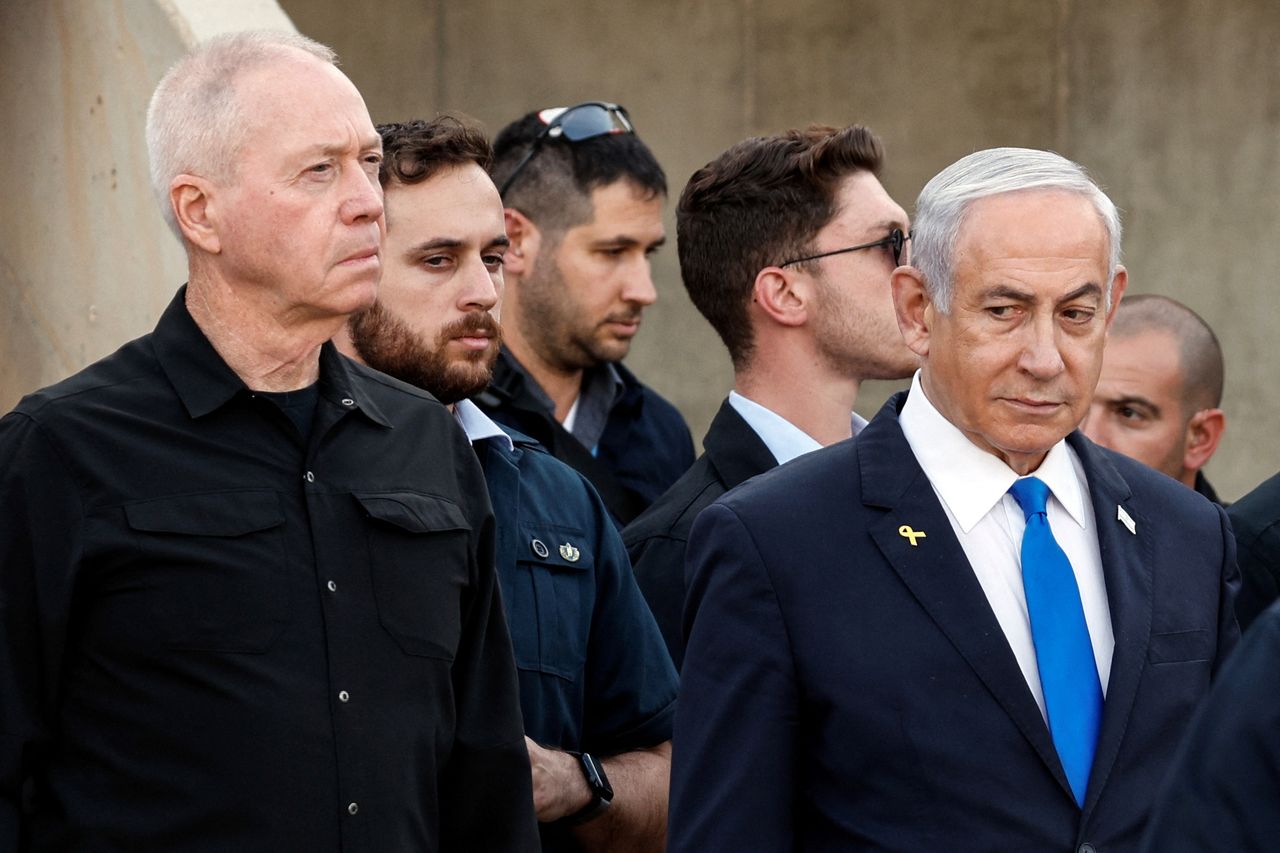
Benjamin Netanyahu will enter Israel’s October 27 election campaign with a distinction no previous sitting Israeli prime minister has carried to the ballot box: he is simultaneously running the country and defending himself in a criminal trial.
Netanyahu was indicted in 2019 and his trial began in 2020. He faces fraud and breach-of-trust charges in three separate cases and an additional bribery charge in the most serious of them.
His wife, Sara Netanyahu, has her own legal record. In 2019, she admitted criminal wrongdoing in a case involving the misuse of state funds for catered meals and was convicted under a plea agreement. She is now also under criminal investigation over allegations that she sought to intimidate a key witness in her husband’s corruption trial.
Both have rejected allegations of wrongdoing in the proceedings currently involving them.
Three cases still before the court
The corruption prosecution against Netanyahu is built around Cases 1000, 2000 and 4000.
In Case 1000, prosecutors allege Netanyahu and members of his family received expensive gifts, including cigars and champagne, from wealthy businessmen while the prime minister intervened in matters that could benefit them.
Case 2000 concerns recorded discussions between Netanyahu and Yedioth Ahronoth publisher Arnon Mozes. Prosecutors allege the two discussed more favourable newspaper coverage for Netanyahu alongside possible measures that could weaken rival publication Israel Hayom.
The most serious indictment is Case 4000. Prosecutors accuse Netanyahu of advancing regulatory decisions benefiting telecommunications company Bezeq while seeking favourable treatment from the Walla news website, then owned by Bezeq controlling shareholder Shaul Elovitch.
Netanyahu faces fraud and breach-of-trust charges in all three cases and bribery in Case 4000. He denies the allegations and says the prosecution is politically motivated.
The bribery count, however, has faced difficulties. In June, the judges again suggested that prosecutors withdraw it because they believe it may be difficult to prove. Even if prosecutors eventually do so, Netanyahu would remain on trial for fraud and breach of trust across all three cases.
Ninety-eight hearings on the witness stand
Netanyahu began testifying in December 2024.
His evidence, cross-examination and subsequent questioning eventually stretched across 98 hearings over 18 months, repeatedly interrupted by overseas travel, health issues and requests to leave or cancel proceedings because of diplomatic and security matters.
He completed his testimony on June 24, but the trial itself did not end. Further witnesses remain to be heard.
Netanyahu has also sought another route out of the proceedings.
In November 2025, he asked Israeli President Isaac Herzog for a pardon while the trial was still ongoing, without admitting guilt. Herzog said in April that possibilities for reaching a legal agreement should be exhausted before he considered the request. There is no Israeli precedent for granting such a pardon before a criminal trial has concluded.
Winning the election would not automatically cancel the prosecution. Israeli law has nevertheless allowed Netanyahu to remain prime minister while standing trial, leaving political power and criminal proceedings running in parallel.
Sara Netanyahu: conviction and a new investigation
Sara Netanyahu’s 2019 case ended differently.





She admitted wrongdoing under a plea bargain after prosecutors accused her of improperly obtaining more than $100,000 in state-funded catered meals for the prime minister’s residence.
A more serious fraud charge was reduced. She agreed to reimburse the state 45,000 shekels and pay a 10,000-shekel fine.
Her current legal problem is separate.
Israeli authorities confirmed in February 2025 that a criminal investigation had been opened into allegations that she sought to intimidate Hadas Klein, an important prosecution witness in Case 1000, and interfere with her husband’s trial.
The investigation followed an Israeli television report based on messages allegedly showing efforts to organise protests and campaigns against Klein and other figures connected to the prosecution. No indictment has been announced in that investigation.
An arrest warrant beyond Israel
Netanyahu’s legal exposure also extends beyond Israel.
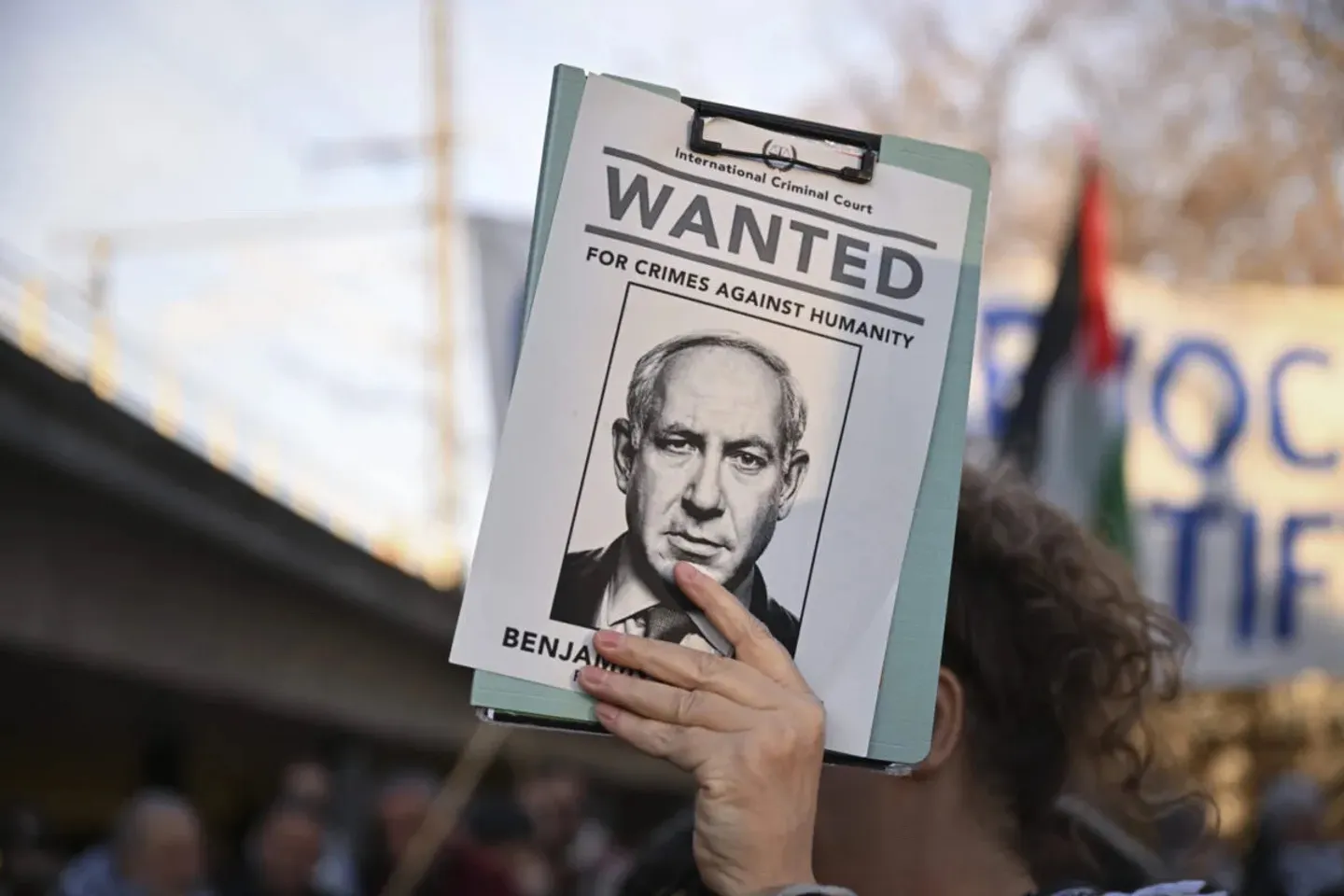
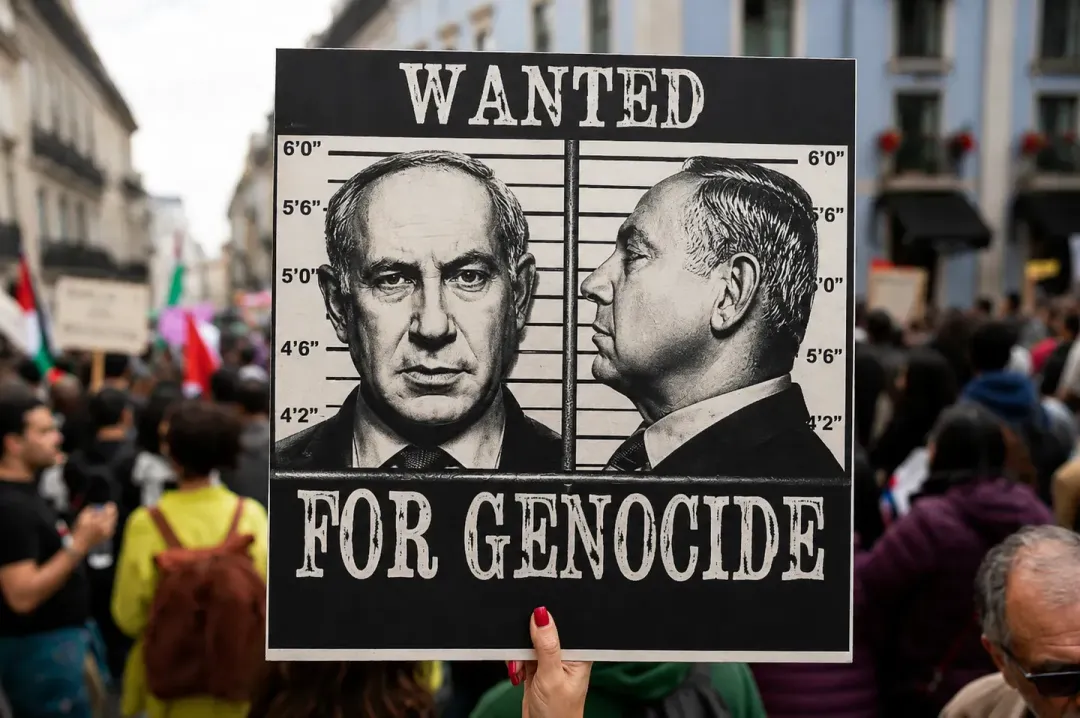
The International Criminal Court issued an arrest warrant for him on November 21, 2024.
The ICC said judges found reasonable grounds to believe Netanyahu bore criminal responsibility for alleged war crimes and crimes against humanity, including starvation as a method of warfare, murder, persecution and other inhumane acts connected to Gaza.
The warrant is not a conviction. Israel disputes the ICC’s jurisdiction and Netanyahu rejects the allegations.
Manufacturing a threat from Türkiye
The election campaign is also unfolding amid continuing Israeli military operations across the region.
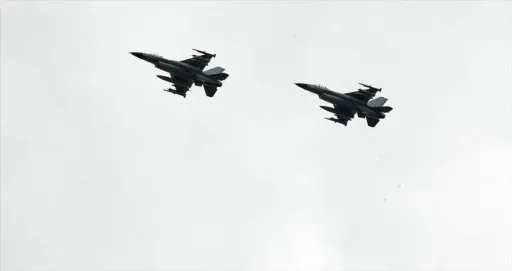
On August 18, Israeli aircraft struck the Abu al-Duhur military airbase in northern Syria, hitting its runway and infrastructure.
Netanyahu’s office said the attack was linked to intelligence suggesting Türkiye could move military assets to the facility.
Türkiye said it had no military assets at the base. US Ambassador to Türkiye and Syria envoy Tom Barrack later said American intelligence agencies had checked the Israeli claim and found it was not true. He described the attack as an “unnecessary escalation”.
Syrian Foreign Minister Asaad al-Shaibani also said Damascus had informed Israel there were no plans for a permanent Turkish base. Washington subsequently called for de-escalation.
Several Israeli political figures then linked the confrontation to Netanyahu’s domestic position. Former prime minister Ehud Barak described the escalation with Türkiye as “reckless and stupid”, while former defence minister Moshe Yaalon and opposition leader Yair Golan accused Netanyahu of allowing political considerations to influence military decisions.
Netanyahu now approaches the October vote with those disputes unfolding alongside a criminal trial that has already lasted more than six years, his unresolved pardon request, his wife’s separate criminal investigation and an ICC warrant that remains in force.
Whether he wins or loses, none of those legal proceedings will be decided by the ballot box.