Iran's Revolutionary Guard has said that a return to war with the United States was unlikely, but warned Iran stood ready to respond to any attack.
The statement on Wednesday came a day after Iran accused the US of breaching the ceasefire in place since April, and warned it was prepared to retaliate following the most serious strikes since the truce took effect.
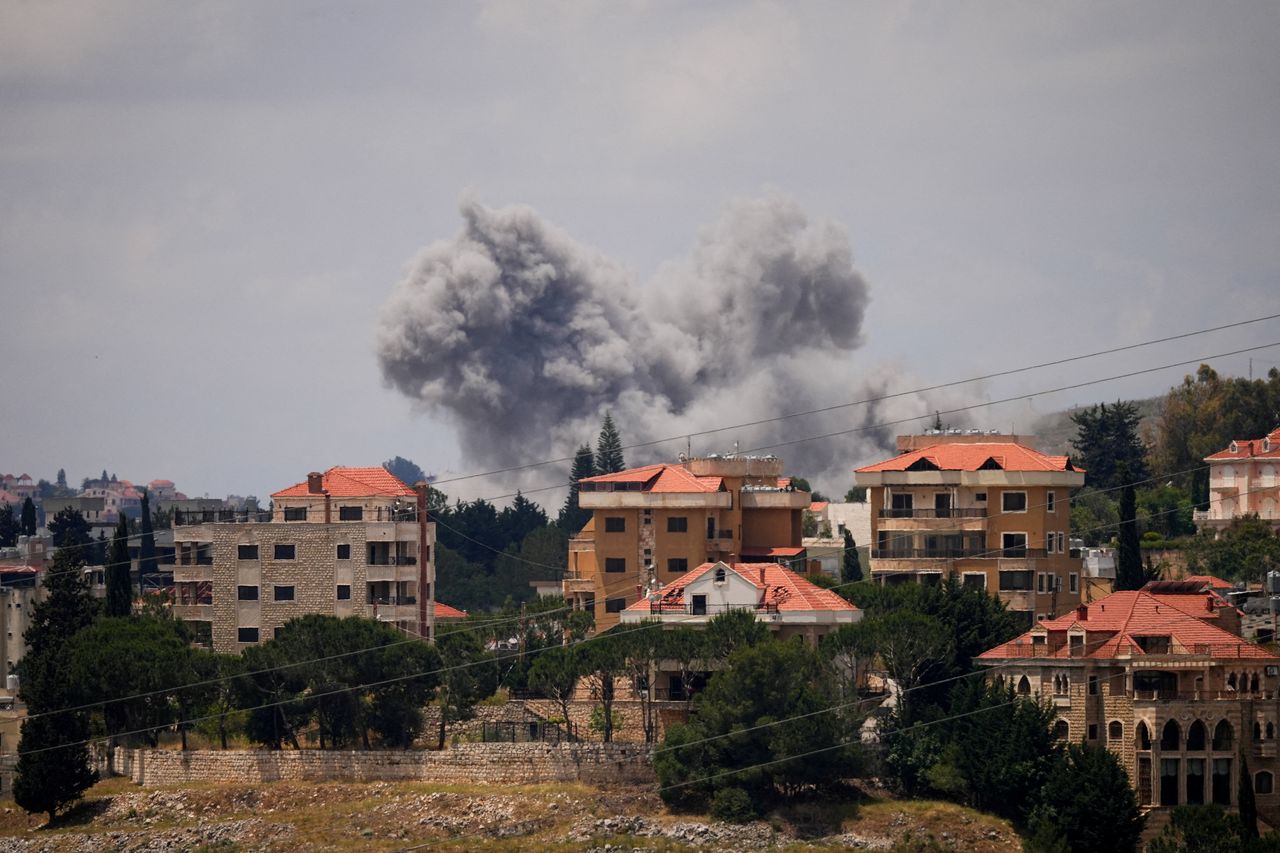
In Lebanon, where a truce has done little to halt the violence in Israel's war on Lebanon, Israeli strikes killed 31 people on Tuesday, according to the Lebanese health ministry.
The Middle East war erupted in late February with US-Israeli strikes on Iran, spreading swiftly across multiple fronts and engulfing the region, while throwing global energy markets into chaos.
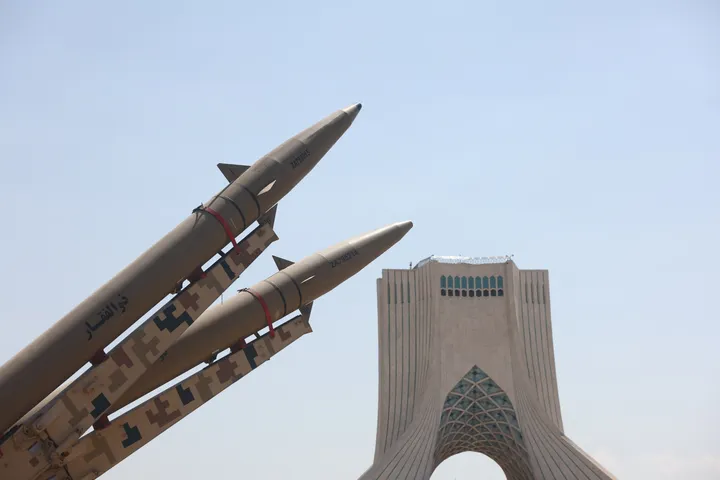
Mohammad Akbarzadeh, deputy political chief of the Revolutionary Guard Corps Navy, said that while the likelihood of returning to "war is low because of the enemy's weakness, the armed forces are lying in wait with full magazines".
He went on to warn that the military would turn the area along Iran's coastline "into a graveyard for aggressors", in quotes carried by the Tasnim news agency.
Tehran's intelligence ministry, meanwhile, said that the US and Israel were still seeking to overthrow the government and partition Iran.
The ministry said it had evidence that they would smuggle "various weapons, ammunition and illegal communication tools, especially Starlink" satellite internet devices, into Iran to foment religious and ethnic divisions and carry out sabotage missions.
Oil prices drop
Iran and the US have for weeks been engaged in a war of words as they try to negotiate a deal, with mediation efforts led by Pakistan.
With no clear winner in the war, neither side appears ready to compromise on the key sticking points, which include the Strait of Hormuz and Iran's nuclear programme.
Iran blockaded the strait, which is vital to global energy flows, in retaliation for the war, while the US responded with a counterblockade of Iranian ports.
On Wednesday, the Revolutionary Guards' navy insisted that only ships "willing to abide by Iranian order" would be allowed to pass through the waterway.
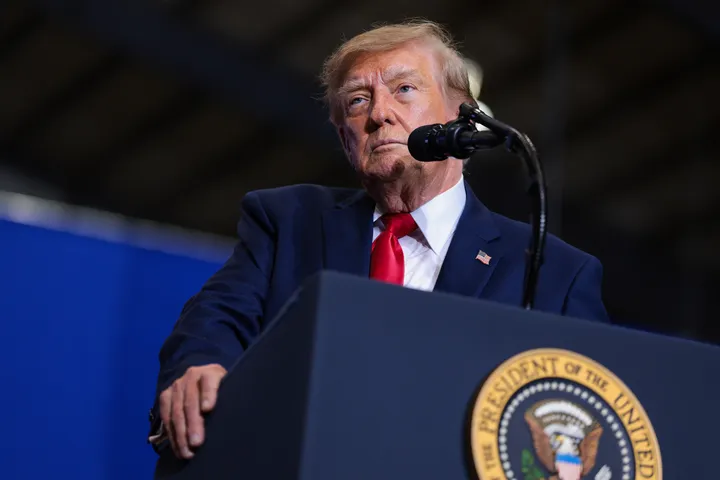


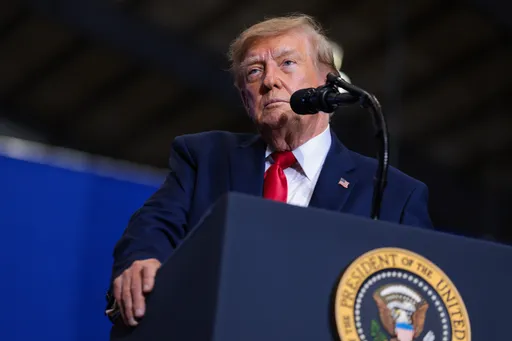
US Secretary of State Marco Rubio had said on Tuesday that a peace deal remained within reach, but that the Strait of Hormuz would be reopened "one way or the other".
Oil prices, which are still well above pre-war levels, fell on Wednesday on rekindled hopes for progress in the US-Iran talks, with international benchmark Brent North Sea crude dropping five percent to $94.61 a barrel.
'Will there be missiles?'
The Iranian authorities partially restored access to the global internet on Tuesday, after a three-month shutdown.
"I do feel better now because I finally can use my favourite applications," said Hana, a 20-year-old student in Tehran who gave only her first name.
"At the same time, I have this concern that war might resume any minute and just cut me off again from my friends."
Amir, a 27-year-old software developer in the Iranian capital, also said he feared renewed fighting.
"I feel like nothing is certain yet, even though the ceasefire is still ongoing and there is news of a possible agreement. But the daily question is, will there be missile strikes tonight?"
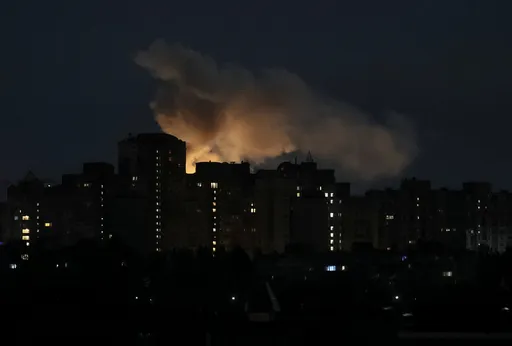
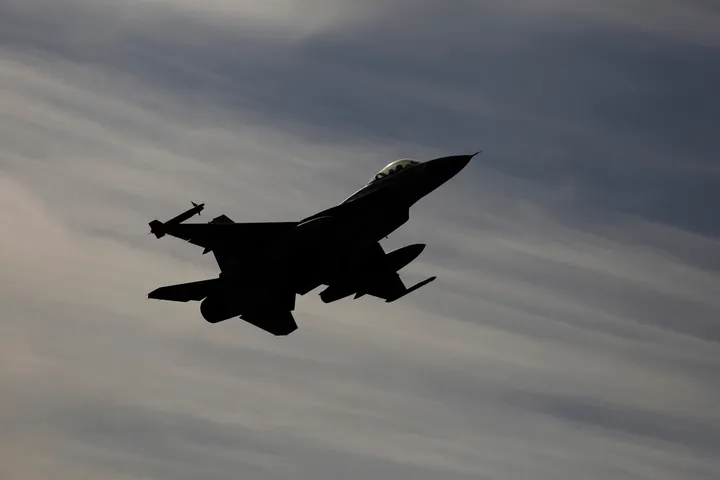
There have been flare-ups during the ceasefire, with the most recent coming overnight Monday to Tuesday, when the US military said it launched "self-defence strikes", while providing few details. Iran's foreign ministry accused Washington of a "gross violation of the ceasefire".
In a statement marking the start of the Eid al-Adha holiday, Tehran's supreme leader, Mojtaba Khamenei, declared Washington was losing its influence in the Middle East and warned countries in the region to stop hosting bases from which the US could launch attacks.
The United States, he said in a written statement, "in addition to no longer having any safe haven in the region for aggression and the establishment of military bases, is moving further and further away from its former position with each passing day".