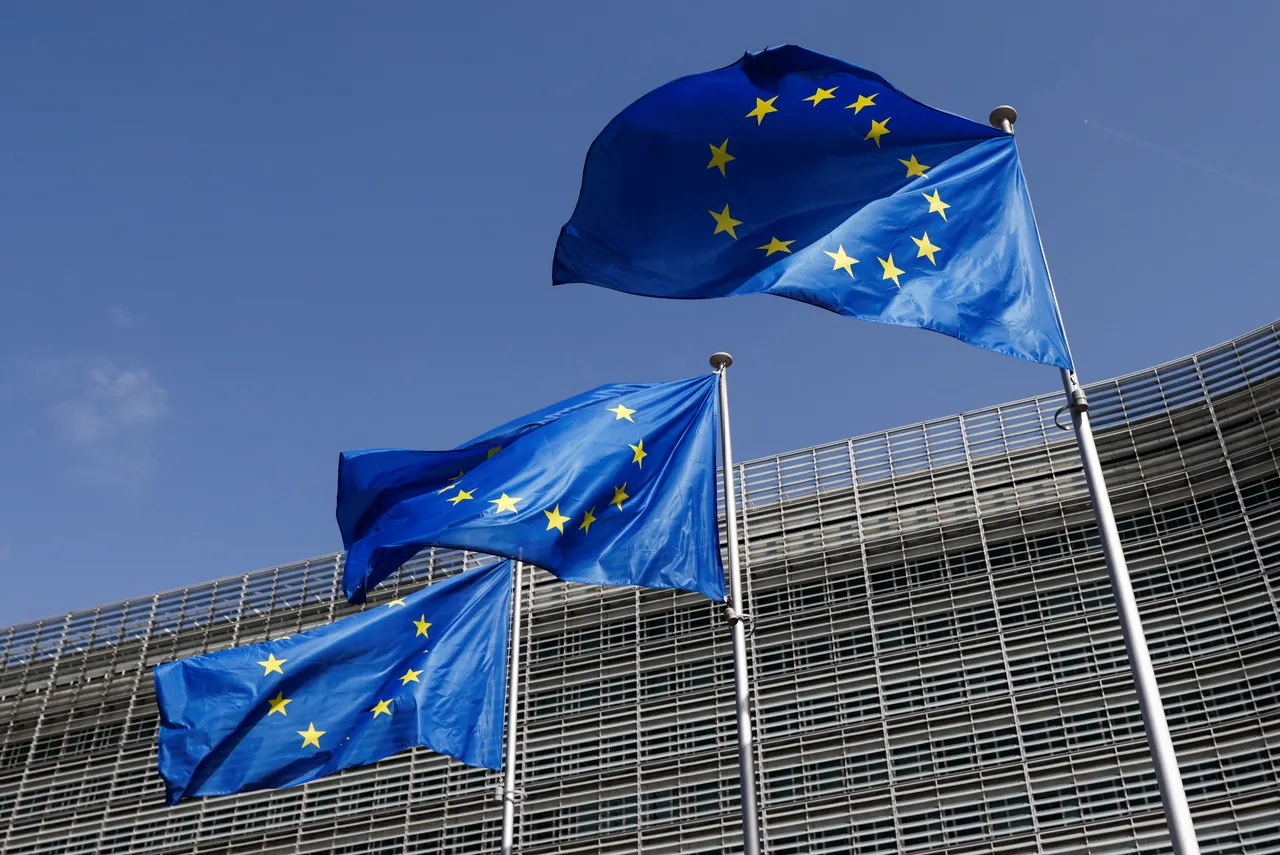
Germany and Italy have pushed back against calls to suspend the European Union’s cooperation agreement with Israel, exposing deep divisions inside the bloc as pressure mounts over Israel’s war in Lebanon and its actions in the occupied West Bank.
At a meeting of EU foreign ministers in Luxembourg on Tuesday, Spain and Ireland renewed demands to halt the EU-Israel Association Agreement — the framework governing political dialogue and trade ties between the two sides since June 2000.
But the proposal ran into immediate resistance from Berlin and Rome.
German Foreign Minister Johann Wadephul called the idea “inappropriate,” arguing that difficult issues should be handled through direct engagement rather than diplomatic rupture.
“We have to talk with Israel about the critical issues,” Wadephul said. “That has to be done in a critical, constructive dialogue with Israel.”
Italian Foreign Minister Antonio Tajani also rejected the move, saying no decision would be taken and stressing that Italy’s position was aligned with Germany’s.
“Our position is identical to Germany’s,” Tajani told reporters.
No unanimity, no suspension
EU foreign policy chief Kaja Kallas later confirmed there was no support to suspend the agreement either fully or partially.
“Given that the suspension of the association agreement needs unanimity, there was no support for this needed in the room,” Kallas said after the Foreign Affairs Council meeting.
Suspending the full agreement would require unanimous approval from all 27 EU member states — a threshold seen as nearly impossible given strong backing for Israel from several capitals.
A partial suspension, particularly of trade benefits under the deal, would require only a qualified majority, but even that would need major countries like Germany or Italy to shift their stance.





That did not happen.
“The measures that we already have on the table that require qualified majority will require states shifting their position,” Kallas said. “We didn’t see that today.”
Smaller measures gain momentum
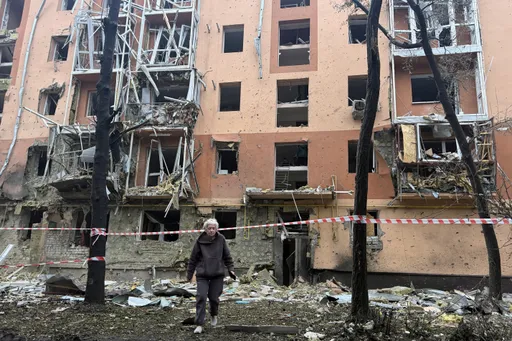
Frustration with Israel has been rising across Europe, first over the war on Gaza and now more sharply after Israel’s invasion of Lebanon and a new law introducing the death penalty for Palestinians in the occupied West Bank.
Ireland said the EU must defend its core principles.
“We need to act. We need to make sure that our fundamental values are protected,” Irish Foreign Minister Helen McEntee said.
While sweeping action was blocked, some countries pushed for narrower steps.
France and Sweden renewed calls for the EU to halt imports of goods produced in illegal Israeli settlements in the occupied West Bank, which are considered illegal under international law.
There is also renewed momentum behind sanctions targeting illegal Israeli settlers, a proposal that had long been blocked by Hungary under former prime minister Viktor Orban.
With Orban recently ousted, diplomats believe those sanctions could now move forward.
For now, however, Europe remains split — with calls for stronger pressure on Israel growing louder, but no consensus yet for major punitive action.