Twenty-seven countries have moved since the Iran war started to put in place crisis instruments that could quickly access funding from existing World Bank programmes, according to an internal document viewed by the Reuters news agency.
The World Bank document on Friday did not name the countries or the total amount of funds potentially being sought.
The document showed that three countries had approved new instruments since US and Israel began attacking Iran on February 28 while the others were still completing the process.
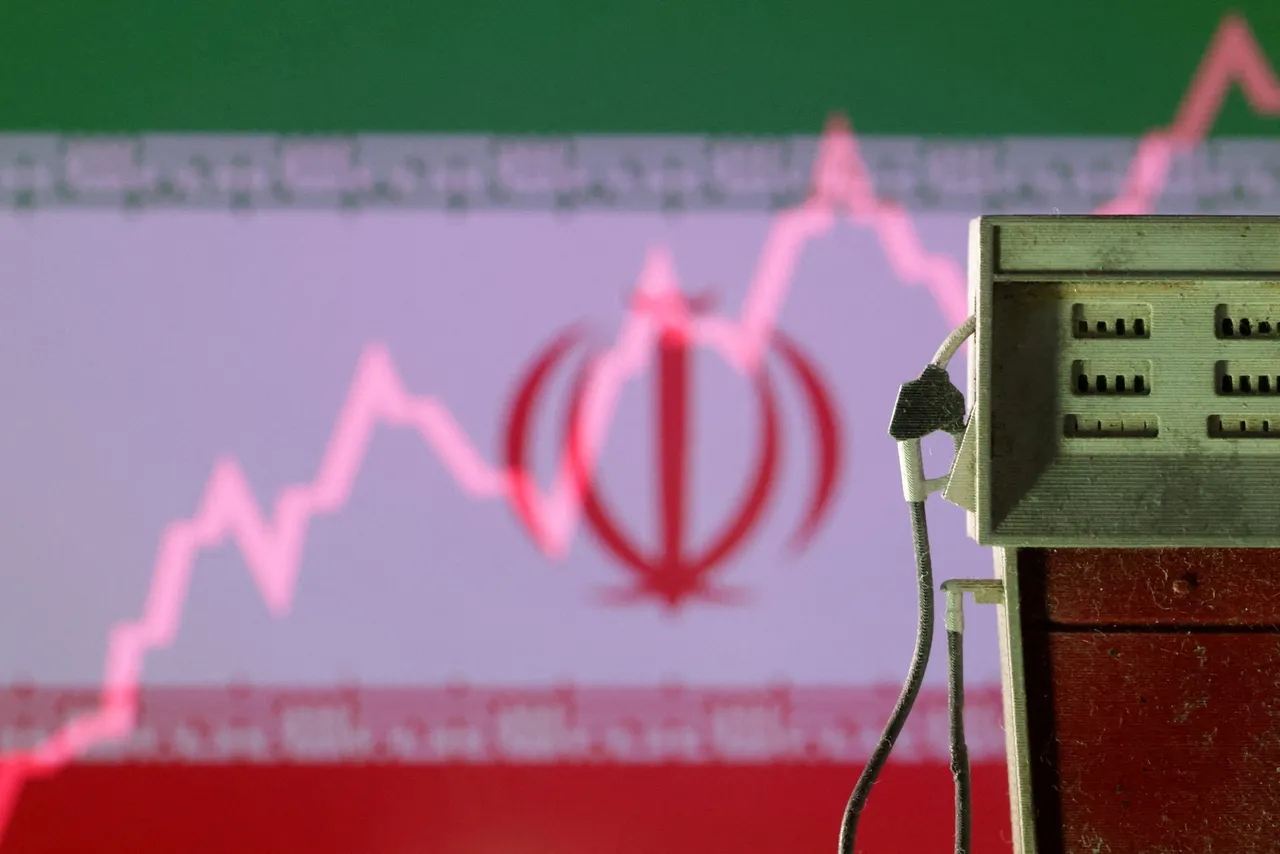
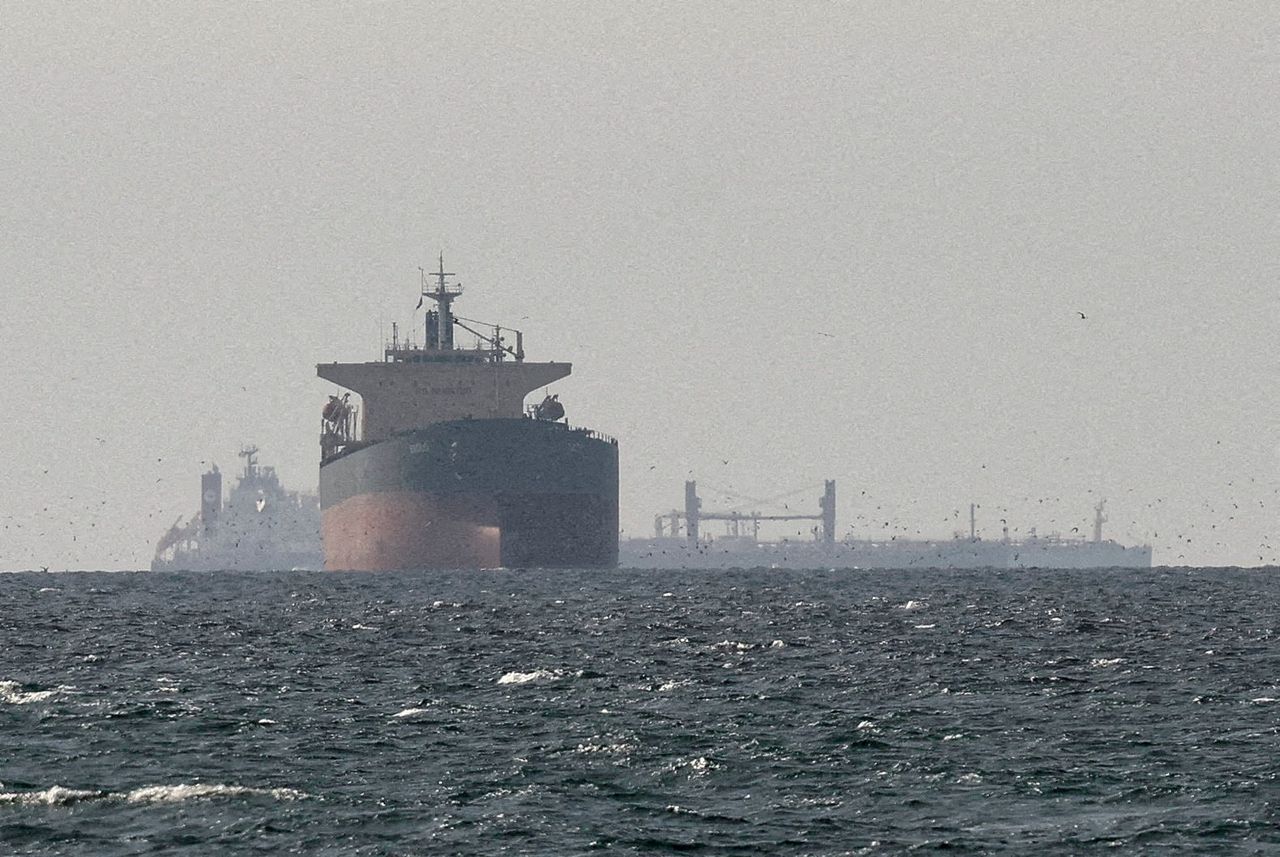
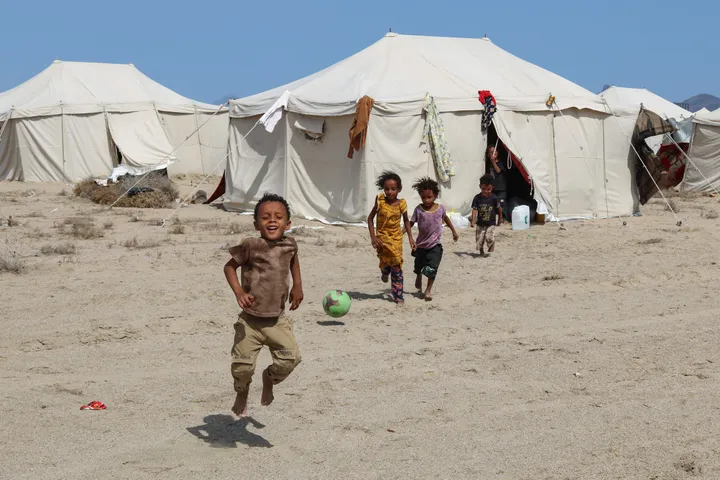
The war and resulting disruption of global energy markets have hit global supply chains and prevented vital fertiliser shipments from reaching developing countries.
Officials in Kenya and Iraq have confirmed they are seeking rapid financial support from the World Bank to deal with the war's fallout such as surging fuel prices hitting the African nation to a massive drop in oil revenue for Iraq.
The 27 countries are among 101 that had access to some form of pre-arranged financing instrument that they could tap in a crisis, including 54 that signed up to the Rapid Response Option, which allows countries to use up to 10% of their undisbursed financing.




'Wait-and-see mode'
World Bank President Ajay Banga last month said the bank's crisis toolkit would allow countries to draw on pre-arranged contingent financing, existing project balances and fast-disbursing instruments to access an estimated $20 billion to $25 billion.
He said the bank could also reorient parts of its portfolio to bring the total to $60 billion over six months, with further longer-term changes possible to bring the total to around $100 billion.
At the time, the head of the International Monetary Fund, Kristalina Georgieva, said she expected up to a dozen countries to seek $20 billion to $50 billion in near-term assistance from the global lender. But few requests have been logged, according to three sources familiar with the matter.
"Countries are definitely in wait-and-see mode," said one of the sources, who spoke on condition of anonymity.
Kevin Gallagher, director of the Global Development Policy Center at Boston University, said countries were more willing to seek World Bank funds than negotiate with the IMF because IMF programs generally require austerity measures that could compound the social unrest already seen in countries like Kenya.