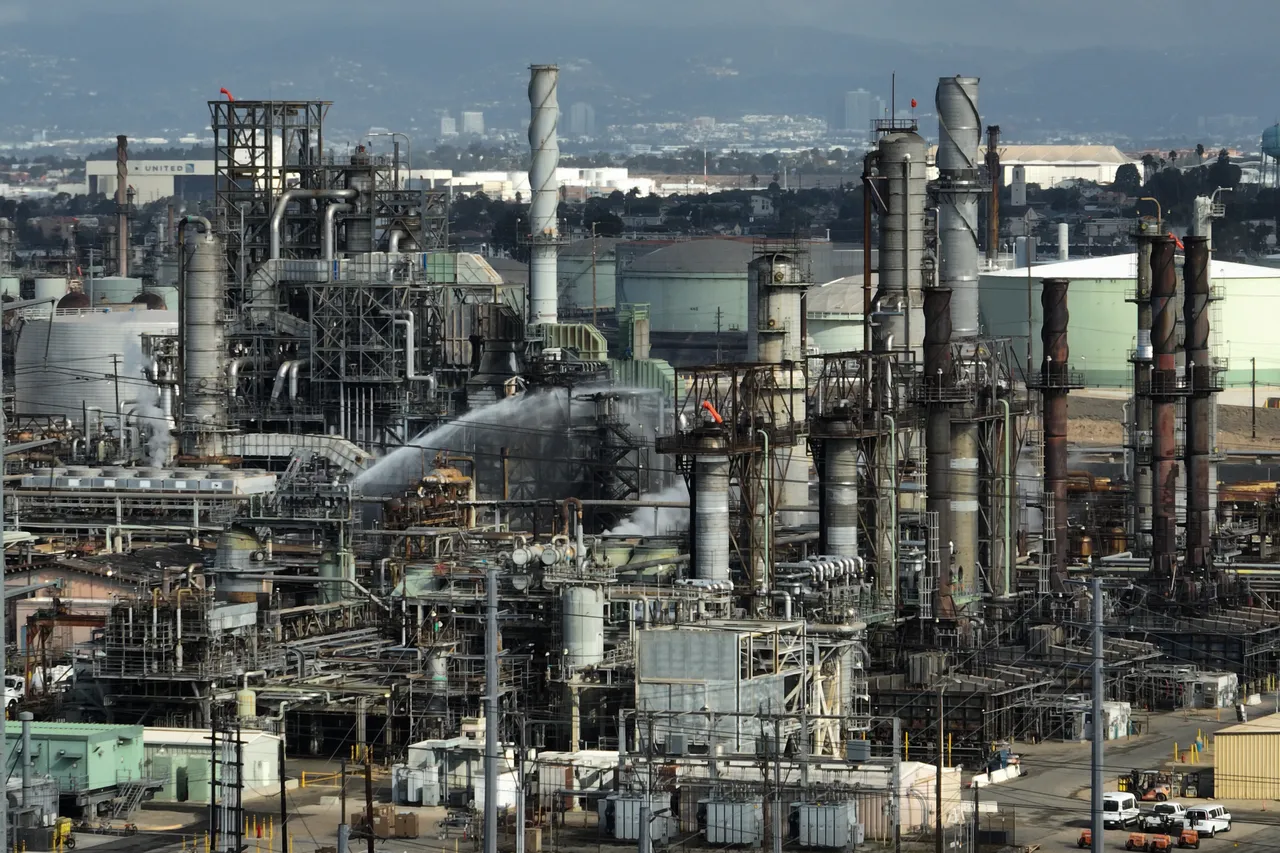
Across the past two weeks, a series of fires, explosions and suspected attacks has disrupted oil refineries and power plants in countries including Russia, the United States, Australia, India and Romania.
Each incident has its own preliminary explanation, ranging from confirmed military strikes to industrial accidents still under investigation. Taken together, they point to an energy system operating under unusual pressure at a moment of global instability.
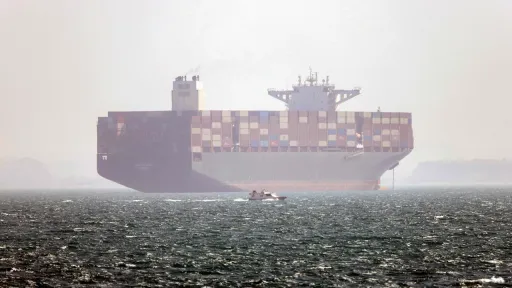
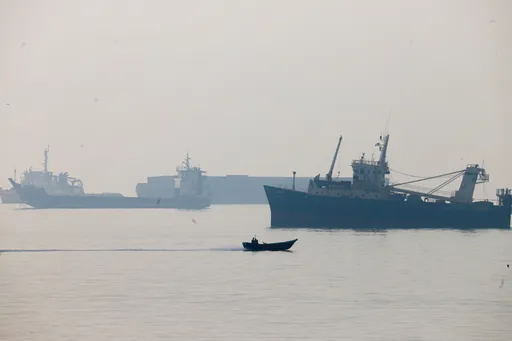
The incidents come amid continued disruption in global energy markets following the joint US-Israeli war on Iran that started on February 28, and restrictions on shipping through the Strait of Hormuz, a critical route for global oil flows.
The International Energy Agency has reported sharp supply tightening in recent months, with prices rising and inventories falling. Refineries and power plants have since been operating in a tighter margin environment, with higher throughput and reduced maintenance flexibility, increasing exposure to operational risk.
Mapping the incidents: what happened, and where
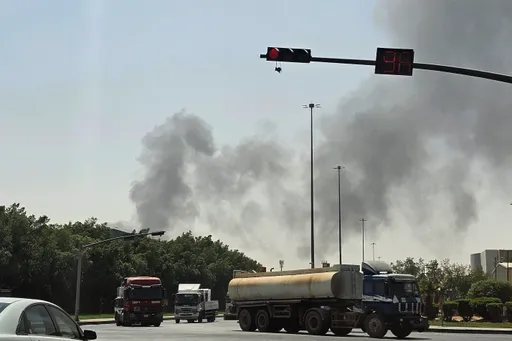
In the United States, an explosion at the Valero Port Arthur refinery in Texas in late March triggered evacuations and a prolonged flaring event, with investigations into the cause still ongoing. A separate oil well fire near Etoile in Texas this week also prompted emergency response and precautionary evacuations, with the cause yet to be determined.
In Australia, a fire at the Viva Energy Geelong refinery on April 16 forced the shutdown of one of the country's key fuel supply facilities. Authorities have pointed to a likely technical failure, with no evidence of sabotage reported.
In India, a boiler explosion last Tuesday at a Vedanta power plant in Chhattisgarh killed nine workers, followed days later by a fire at the HPCL Pachpadra refinery in Rajasthan that disrupted commissioning plans for the new facility.
In Romania, an explosion late on Monday at the CET Vest power plant in Bucharest caused a fire that damaged multiple transformer units and led to temporary instability in the city's power grid. The cause has not been confirmed.
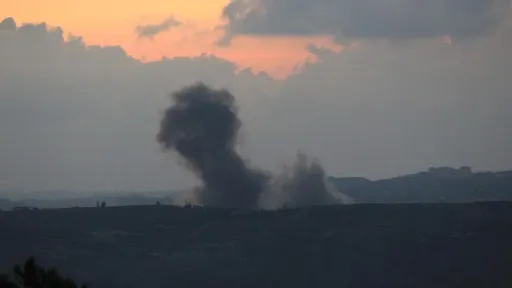
In Russia, Ukrainian drone strikes have repeatedly targeted oil infrastructure, including the NORSI refinery in Nizhny Novgorod and the Tuapse refinery in Krasnodar Krai. Both facilities sustained fires and operational disruptions, with Ukraine describing the attacks as part of a broader campaign aimed at reducing Russian energy revenues.
War by other means
Ukraine has confirmed it is conducting a sustained campaign targeting Russian energy infrastructure, describing the strikes as an effort to reduce the oil revenues funding Moscow's military operations.
The campaign has intensified in 2026, with Ukrainian forces striking multiple Russian refineries within weeks of each other. The NORSI refinery suspended operations following the April 5 strike, while Tuapse was hit twice within a single week.
The closure of the Strait of Hormuz has meanwhile created a parallel pressure on refineries outside Russia, with the IEA reporting that global crude throughputs have been cut by around 6 million barrels per day in April as feedstock supplies tighten and facilities absorb disruptions to supply chains.
Aging infrastructure, maximum load





At the Geelong refinery in Australia, union officials noted a history of leaks and incidents at the facility, and confirmed that some maintenance had been deferred in March.
Viva Energy's management acknowledged the postponement but said it was unrelated to the explosion. At Valero's Port Arthur plant, the Texas Commission on Environmental Quality confirmed the investigation into the cause of the blast remains open.
For Russian refineries specifically, Western sanctions have complicated repair efforts. NORSI has faced restricted access to specialised equipment following previous drone strikes, slowing restoration and leaving facilities more vulnerable to follow-on damage.
The IEA has noted that global refining capacity has been in structural decline for years, with investment in new capacity falling as the energy industry anticipates a long-term shift away from fossil fuels, leaving less redundancy in the system when disruptions occur.
Systemic fragility, not coordinated sabotage
No government has confirmed deliberate sabotage in any of the non-Russian incidents. Australia, India, and the United States have all pointed to industrial or mechanical causes.
But security analysts note that a system under extreme stress does not need coordinated attacks to produce clustered failures, it needs only a higher-than-normal baseline of operational risk, sustained over time, affecting facilities with deferred maintenance and compressed safety margins.
What it means for energy security
Australia holds just 38 days of petrol in reserve, less than half the 90-day minimum recommended by the IEA, raising concerns about fuel availability as the Geelong refinery operates below capacity.
In India, the HPCL Pachpadra fire has delayed a refinery the country urgently needed to offset Hormuz-driven import disruptions. Romania is assessing the impact of the CET Vest explosion on Bucharest's grid resilience.
The IEA's report recorded a fall of 85 million barrels in global oil inventories in March alone, with demand projected to contract by 80,000 barrels per day in 2026, the sharpest drop since COVID-19.
The agency noted that Russia's crude exports rose in March as elevated prices boosted Kremlin revenues, complicating the impact of Ukraine's infrastructure campaign.
The European Commission has launched a $86 billion clean energy strategy in response.
But the IEA has cautioned that renewables cannot substitute for oil-derived transport fuels in the near term, meaning refining capacity remains critical to supply stability in the months ahead.