 Kazim Alam
Israeli arms exports hit a record $19.2 billion in 2025, marking the fifth consecutive year of rise in sales of weapons that Tel Aviv markets as “battle-tested” in the killing fields of Gaza.
The growth in Israel’s arms exports by nearly 30 percent from a year ago comes amidst the country waging wars on several fronts, including Iran and Lebanon.
While Europe accounted for 36 percent of these sales, the share of Asia and the Pacific region was 32 percent.
The Israeli government did not release a country-wise break-up of the exports.
But a separate dataset recently issued by the Stockholm International Peace Research Institute (SIPRI) shows India as the largest recipient of Israeli arms from 2021 to 2025.
About 29 percent of total arms exports by Tel Aviv in 2021-25 landed in the Asian country.
Germany and the United States were the next big buyers, with respective shares of 21 percent and 7.8 percent in Israel’s arms exports over the same period.
Major Israeli arms exports were missiles, rockets, and air defence systems.
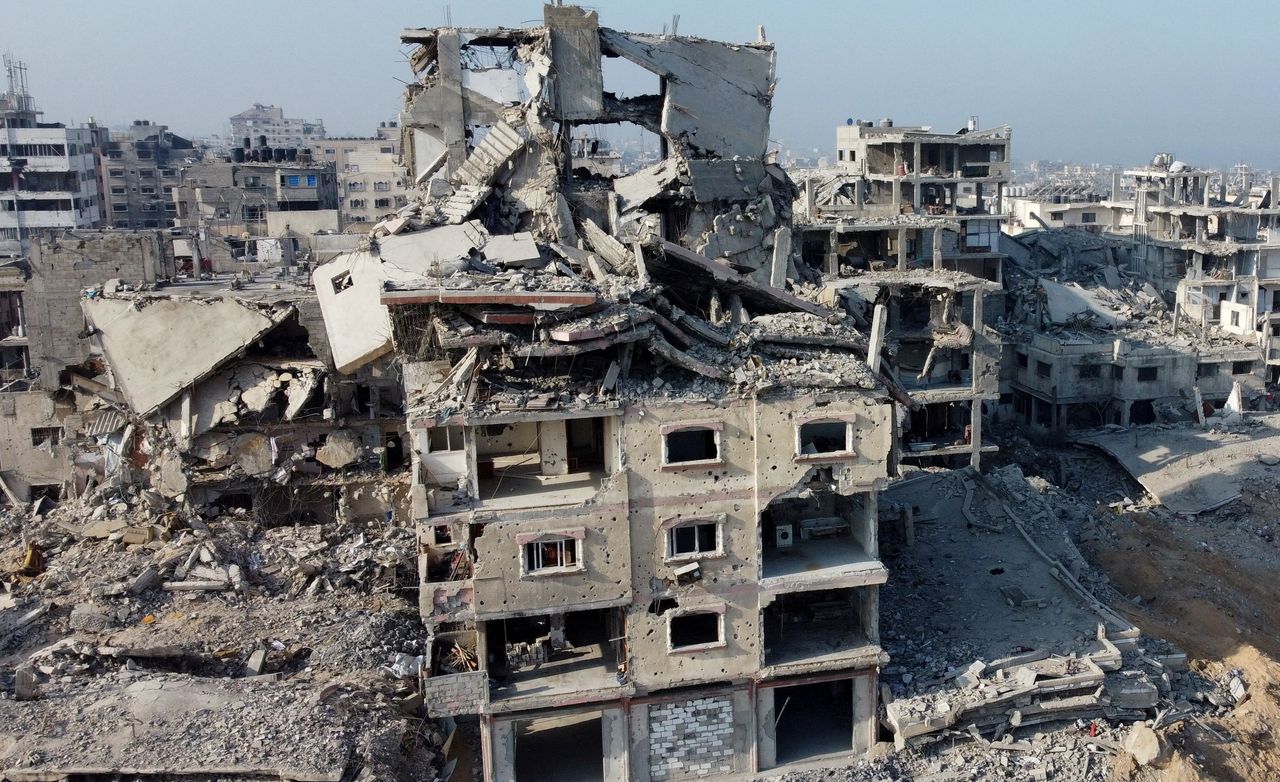
The rise in Israeli exports of weapons has coincided with Tel Aviv attacking six countries, including Palestine, Iran, Lebanon, Qatar, Syria, and Yemen, since October 7, 2023.
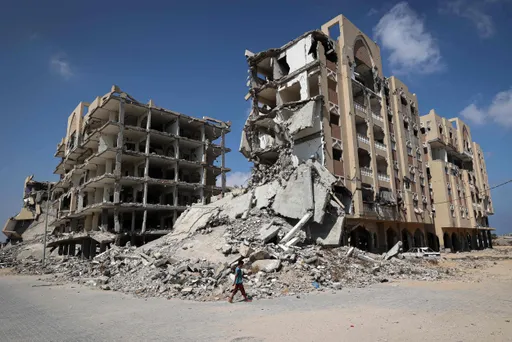
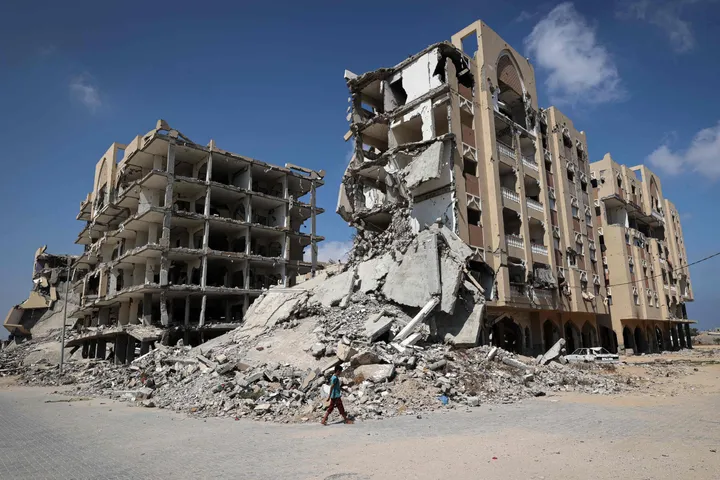
In Gaza alone, it has killed more than 72,000 Palestinians in relentless bombings that multiple international human rights organisations have called genocide.
Experts say that Israeli arms sales raise serious questions under international law and expose deep hypocrisy in the foreign policies of buyer nations.
Gokhan Ereli, an Ankara-based independent researcher, tells TRT World that international law is unambiguous on the illegality of Israel’s arms trade.
“No state may continue arming another, once it has reasonable grounds to believe those weapons will be used to commit serious violations of international humanitarian law,” he says, citing the Arms Trade Treaty and the Genocide Convention.
Once credible bodies frame the conflict in terms of war crimes or genocide, arms buyers lose the protection of plausible ignorance, he says.
“Every additional shipment becomes a deliberate political act dressed up as routine trade,” he says.
Ereli insists that European and Asian countries doing military transactions with Israel have lost their claim to neutrality.
Antony Loewenstein, investigative journalist and author of The Palestine Laboratory: How Israel Exports the Technology of Occupation Around the World, says continued sales of lethal weaponry by Israel may lead to future accountability.
“There’s no question that a number of Israeli arms companies potentially face…international war crimes investigations and trials for their complicity – not just in the genocide in Gaza or beyond, but also in selling those tools and surveillance tech and weapons globally,” he tells TRT World.
Nations purchasing Israeli weapons risk similar complicity, Loewenstein says.
Civilian suffering as marketing material
Despite public opposition to Tel Aviv’s genocidal war in Gaza, European and Asian governments remain major buyers of Israeli weaponry.
Tel Aviv was the world’s seventh-largest arms supplier in 2021-25 when it supplied “major arms” to 23 states in Europe, equalling 41 per ent of total Israeli weapons sales.
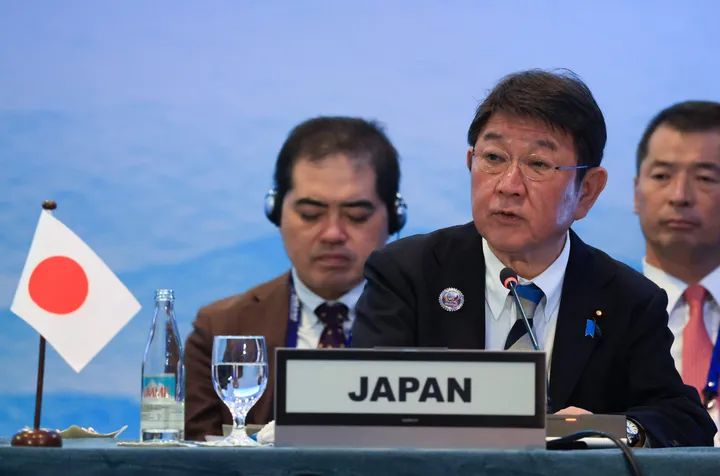




In 2025 alone, Europe purchased $6.9 billion in arms, while imports by Asia-Pacific countries, including India, nearly doubled to around $6.1 billion.
Ereli attributes this to a structural divide in policymaking.
“Many governments treat foreign policy statements as one track and defence procurement as another,” he says.
Condemning suffering one day while signing contracts the next reflects a hierarchy where human rights rhetoric does not interfere with strategic or economic interests, he says.
“This gap between actual policy and rhetoric will probably continue to be seen in the future as well,” he adds.
Drawing lessons from his research on Israeli exports of “occupation technology”, Loewenstein says that purchasing governments’ rhetoric for public consumption diverges sharply from political reality.
Some European nations critical of Israel’s war in Gaza and its occupation of the West Bank are still engaged in weapons purchases.
“The notion of battle-tested weapons is so attractive, and there’s no political price to be paid. There’s no legal price to be paid,” he says.
Deals often take place secretly, shielding governments from domestic backlash. Until political or legal consequences arise, little will change, Loewenstein says.
This demand for “battle-tested” systems contributes to the benefits that the Israeli arms industry draws from nonstop war.
Ereli says that an industry reliant on proven capability requires a never-ending demonstration.
“When an ongoing genocide is openly treated as a showroom, the boundary between defence policy and product development collapses,” he says.
Civilian suffering becomes marketing material for foreign buyers, he adds.
An arms industry organised around “battlefield validation” ceases to be a neutral commercial actor, thus developing a vested interest in perpetuating the war, he notes.
Even though leaders do not prolong wars solely for arms sales, Loewenstein says economic motivations play a major role.
“If the occupation of the West Bank and Gaza ended… then it’s going to have a massive negative impact on their arms industry,” he says.
He points to the ‘Palestine laboratory’ model, where war technologies tested in occupied territories are refined and exported globally.
This creates a feedback loop: occupation fuels innovation and marketing, which in turn sustains the occupation through revenue and international partnerships.
Forever wars create jobs, export opportunities, and global connections for Israel’s arms sector, even as international public opinion turns against the country.
“The defence sector is one way for Israel to maintain close ties with many, many countries around the world,” Loewenstein says.