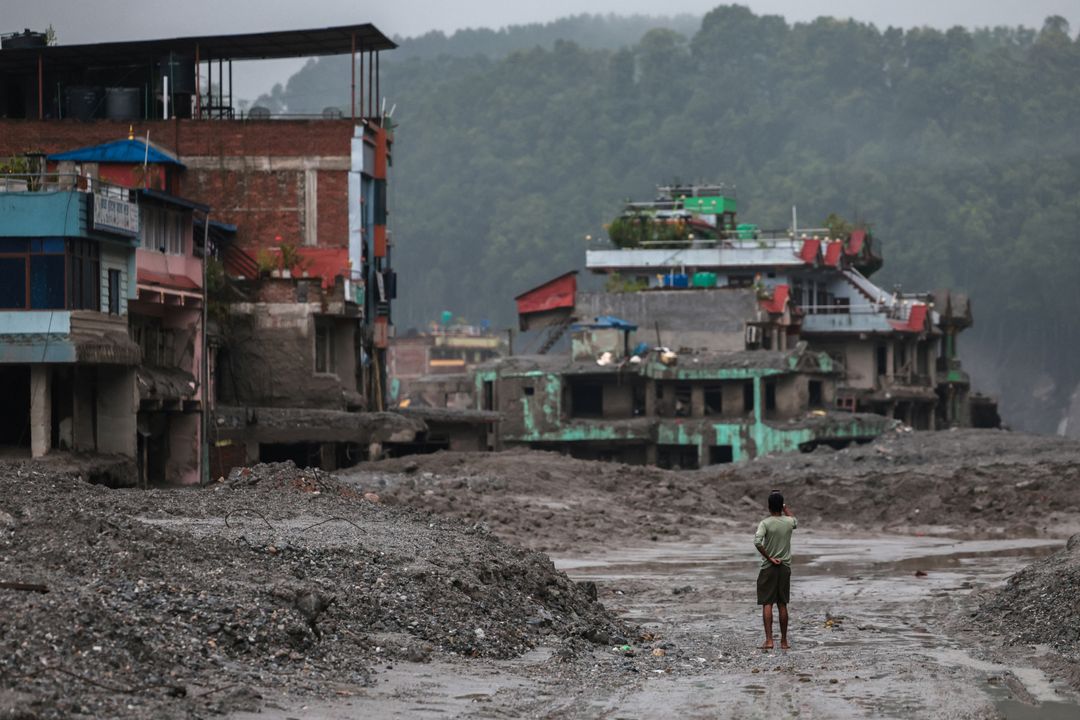
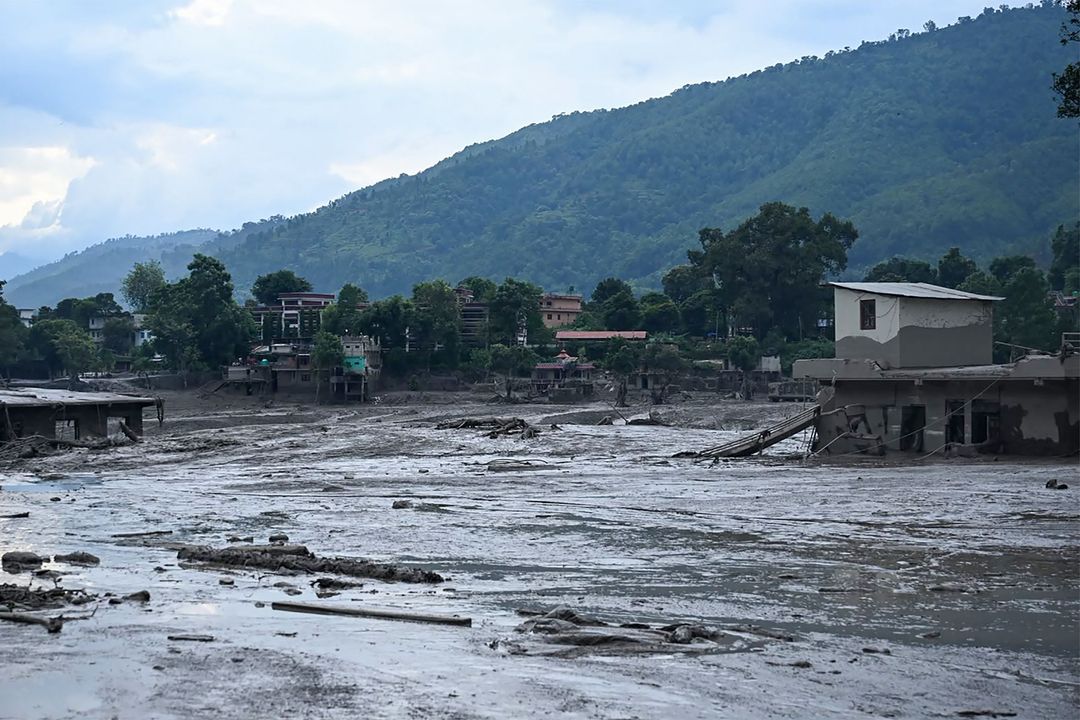
As search and rescue operations continue in flood-hit areas of Nepal, drones are being used for tasks ranging from delivering aid supplies to retrieving bodies, the Kathmandu Post reported on Wednesday.
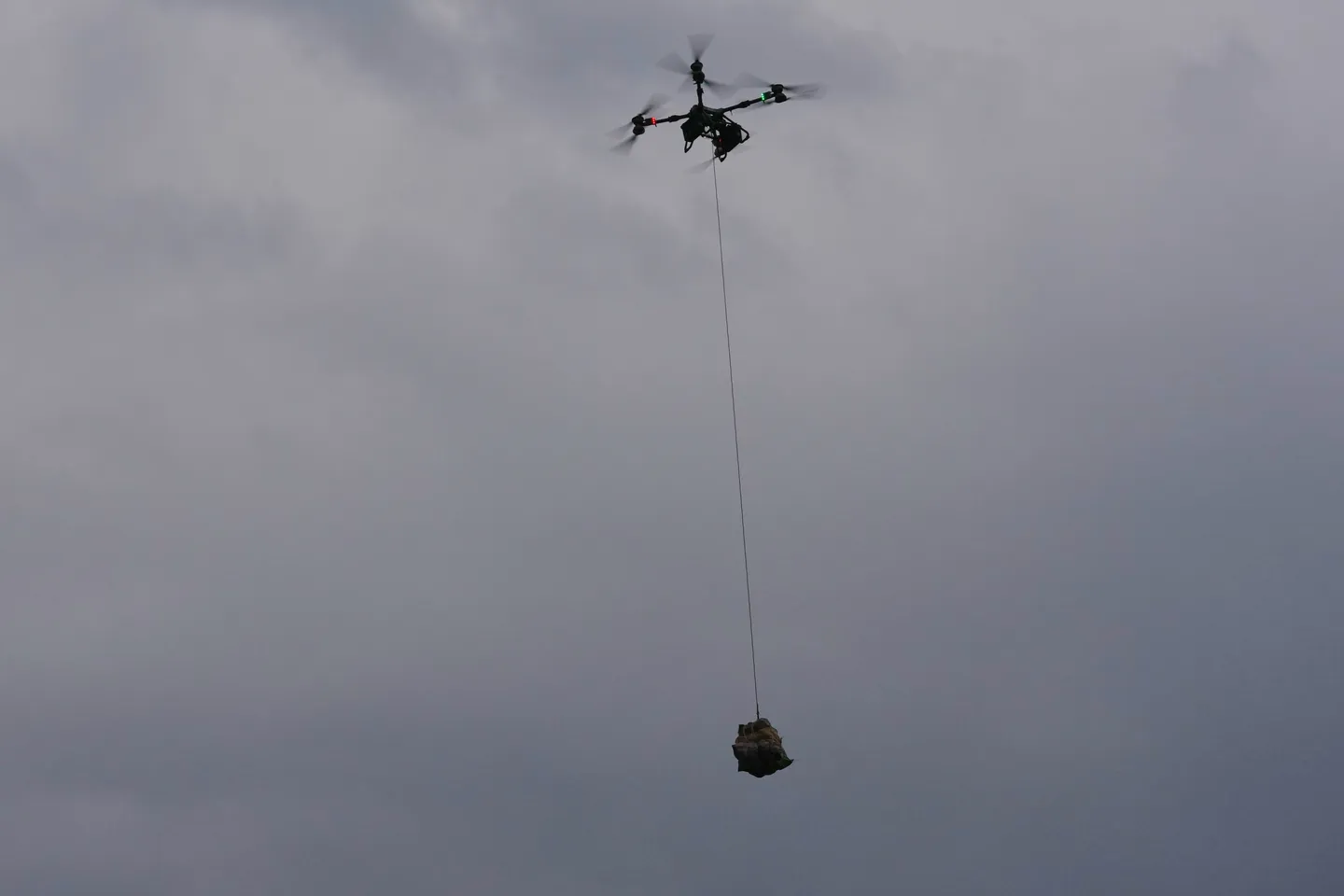
Residents of Dhading, one of the areas devastated by last week’s floods, witnessed an unusual scene in the skies when an unmanned aircraft flew overhead carrying a human body.
The drone had been deployed to retrieve the body from an area rescuers found difficult and dangerous to navigate.
Seven bodies were airlifted by drones from the area.
International relief agencies first brought drones to help search for survivors, assess damage and support recovery after a 7.8-magnitude earthquake struck Nepal in 2015, killing thousands and destroying large parts of Kathmandu and other areas.
The technology, however, is now being used far beyond aerial photography and mapping, in search-and-rescue operations.
Drone operators said despite restrictions in terms of payload capacity, range and weather conditions, the effect of drones can be disproportionate to their size where conventional transport is impossible.

The eight-member drone team has been using the Chinese-made DJI FlyCart 100, a heavy-lift industrial cargo drone capable of carrying logistics weighing up to 85 kilogrammes and operating a range of up to 4 kilometres.
Other drones have been deployed to inspect rivers and their banks in the search for missing people.
Thermal drones can detect signs of living people, potentially allowing rescuers to locate survivors in areas that are inaccessible or too dangerous to enter.
Drone operators have used unmanned aircraft inside the tunnel of the Upper Trishuli-1 hydropower project, where scores of workers are believed to have been trapped following the floods.
The technology is also being used to deliver food in several affected areas.
Around 1.6 million people have been affected by last week's devastating flash floods, which have killed nearly 1,100 and left nearly 4,000 missing in Nepal.
At least 16 people were killed on the Chinese side of the border, with 546 missing, including 261 foreigners.