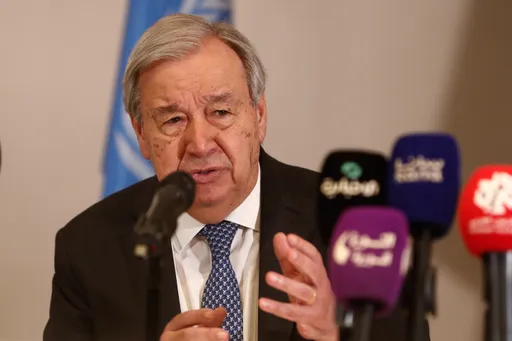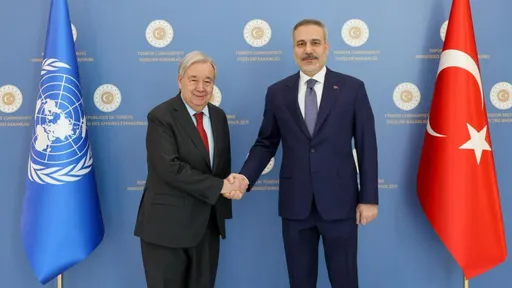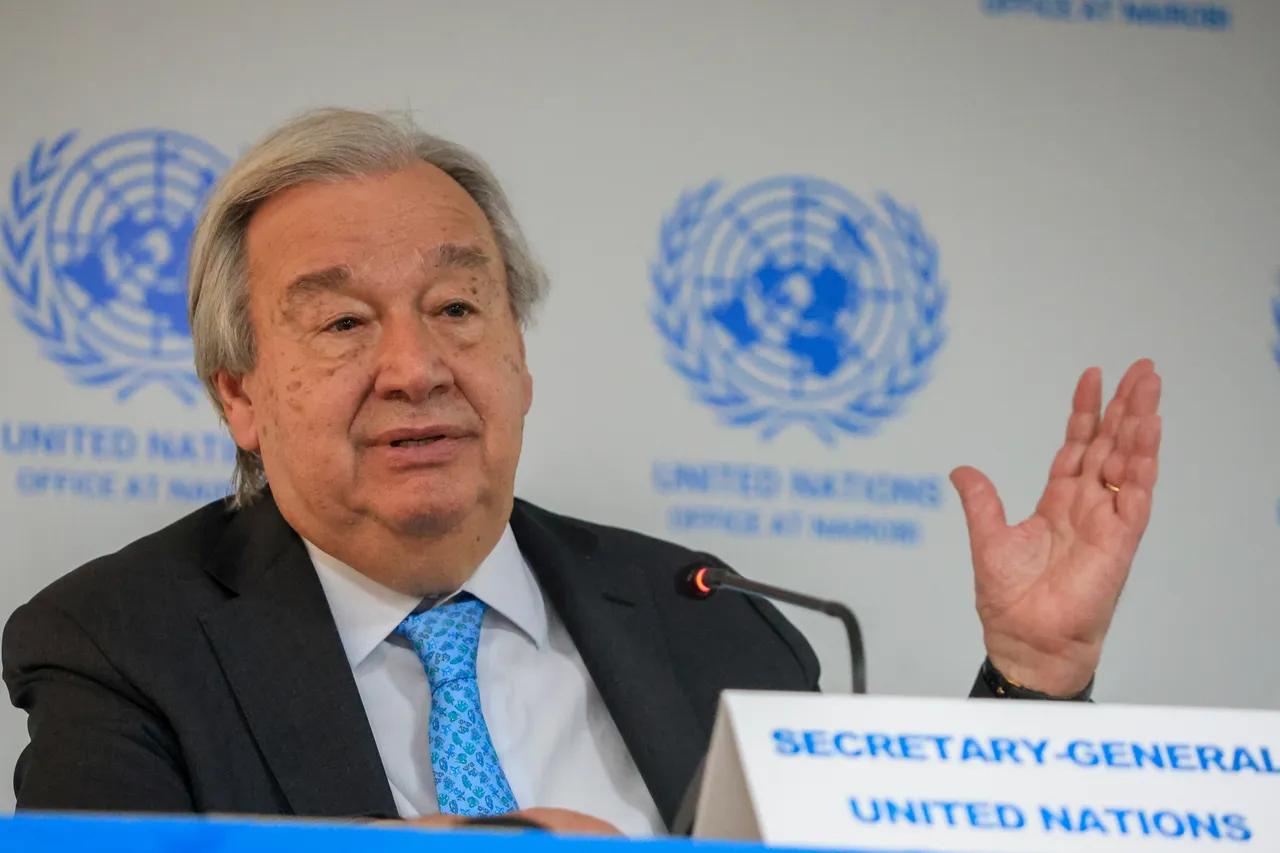
UN Secretary-General Antonio Guterres warned on Tuesday that the principles of the UN Charter are under "profound strain" as conflicts intensify, geopolitical divisions deepen and international law is increasingly disregarded.
Guterres described the charter as "a survival guide for humanity" and stressed that it was created to ensure "that the force of law must prevail over the law of force."
"Today, the purposes and principles of the charter are under profound strain," he told the Security Council's high-level open debate on "Upholding the purposes and principles of the UN Charter and strengthening the UN-centered international system.”
Pointing to seven major threats facing the international system, Guterres warned that "we now face the highest number of conflicts since the founding of the United Nations, and there is growing external interference."
He said violence is escalating in "the Middle East, Sudan, Ukraine, and beyond," amid external involvement that has expanded through "the provision of weapons, such as drones, which now frequently target civilians and civilian objects."
Guterres also warned of "a dangerous erosion of respect for international law."
"Core principles—sovereign equality, territorial integrity, political independence, the prohibition of the threat or use of force—are being challenged or ignored," he said. "Violations go unanswered. Impunity is spreading."
He also highlighted widening geopolitical divisions, and noted that "mistrust is growing" while "consensus is harder to achieve."
"And too often, this Council fails to act with unity and purpose," he added.
‘Accelerating, destabilising arms race’
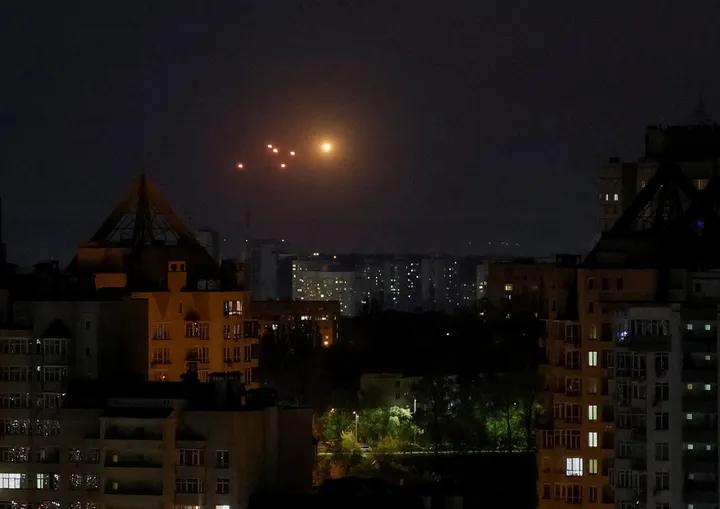

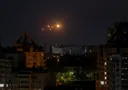

Guterres expressed concern about Russia's announcement regarding attacks on Ukrainian defence facilities and command centers following reports of a Ukrainian drone strike in Starobelsk.
"Now more than ever, it is imperative to avoid any escalation of a conflict that has already exacted a devastating toll on civilians and that risks making the search for peace even more distant," he said.
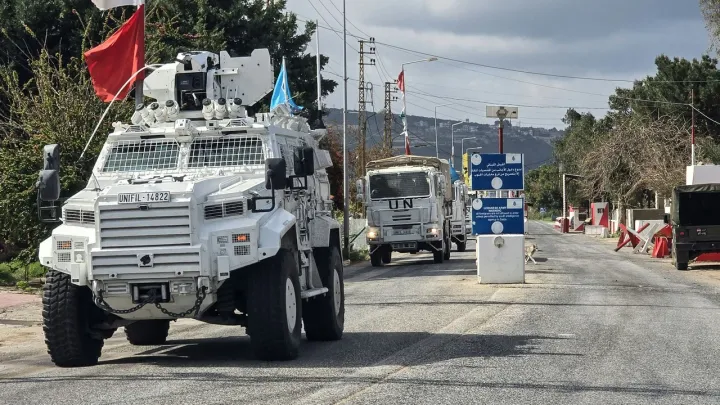
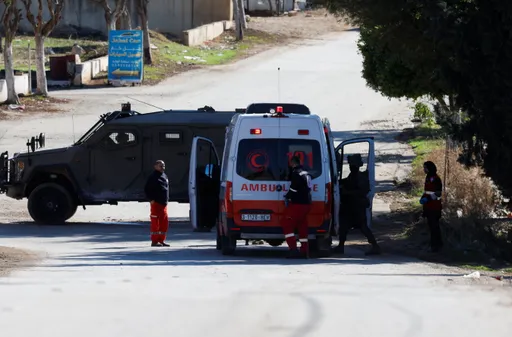
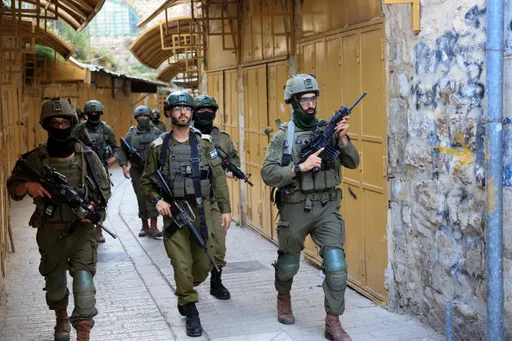
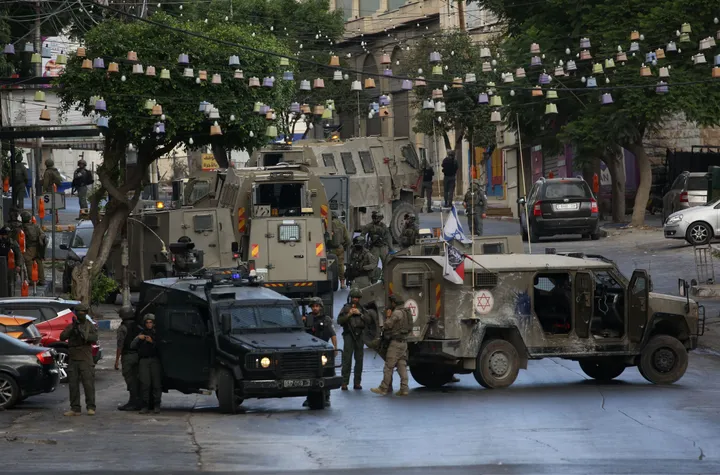
He also warned of broader instability in the region, noting that "Israel has announced an escalation of its operations in Lebanon," while there are "constant violations of the ceasefire in Gaza," and uncertainty surrounding negotiations between the US and Iran.
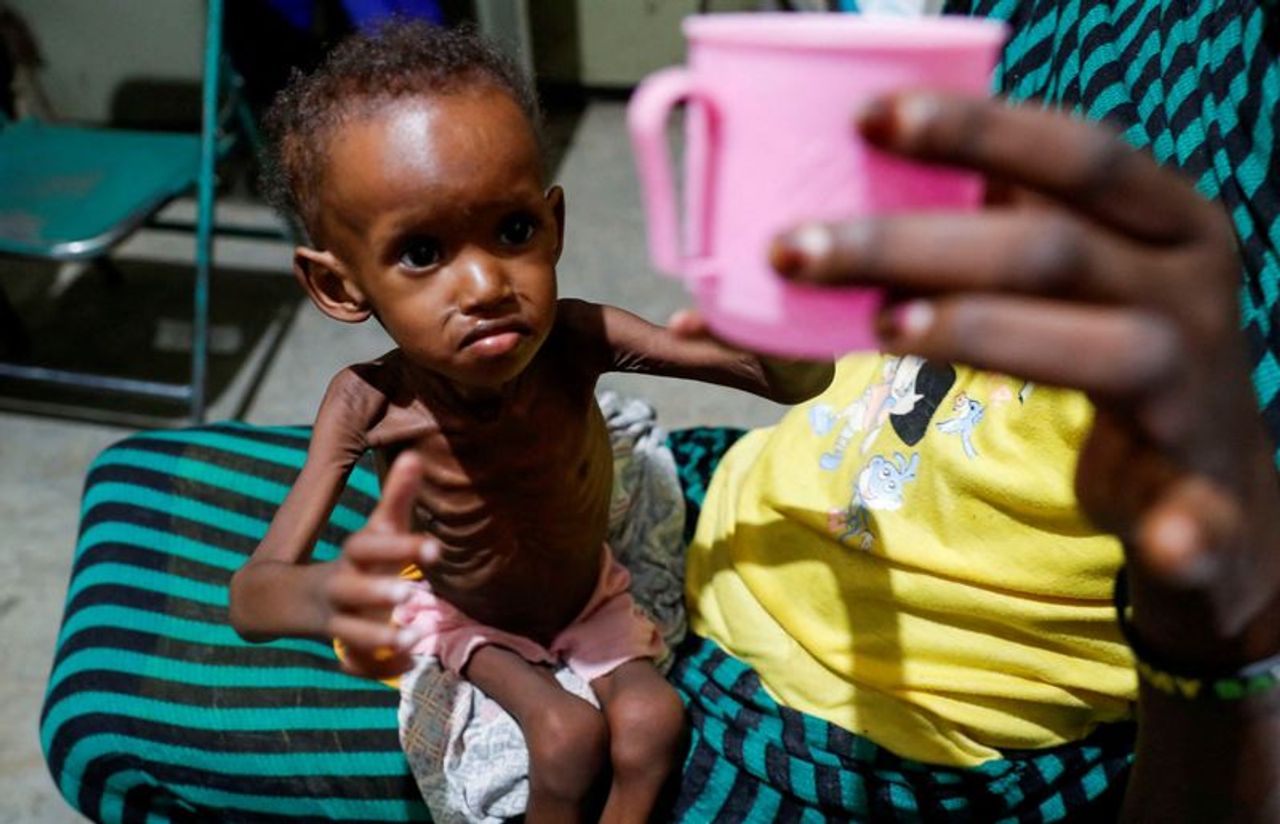
Turning to global militarisation, Guterres said, "We are seeing an accelerating and destabilising arms race" as military spending reaches record levels while humanitarian and development funding declines.
"Meanwhile, new technologies, including artificial intelligence and autonomous weapons, are advancing faster than our capacity to govern them," he warned.
Guterres also said that "human rights are under full-scale attack" and warned that inequalities, debt burdens, and limited financing are placing increasing pressure on developing countries.
He described climate change as "a driver of instability, a multiplier of threats, and an increasing source of tension within and between nations."
Urging reforms of global institutions, Guterres stressed that they “must reflect today's realities, not those of 1945."
"But no reform, institutional or structural, can substitute for political will," he said, urging all member states to "refrain from the threat or use of force against the territorial integrity or political independence of any state."