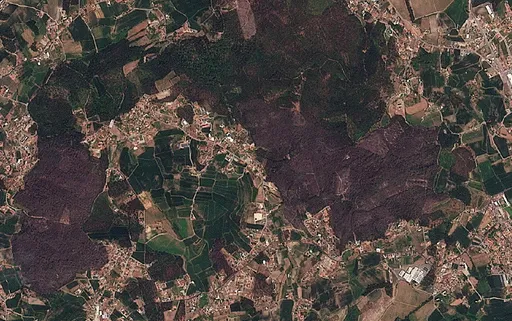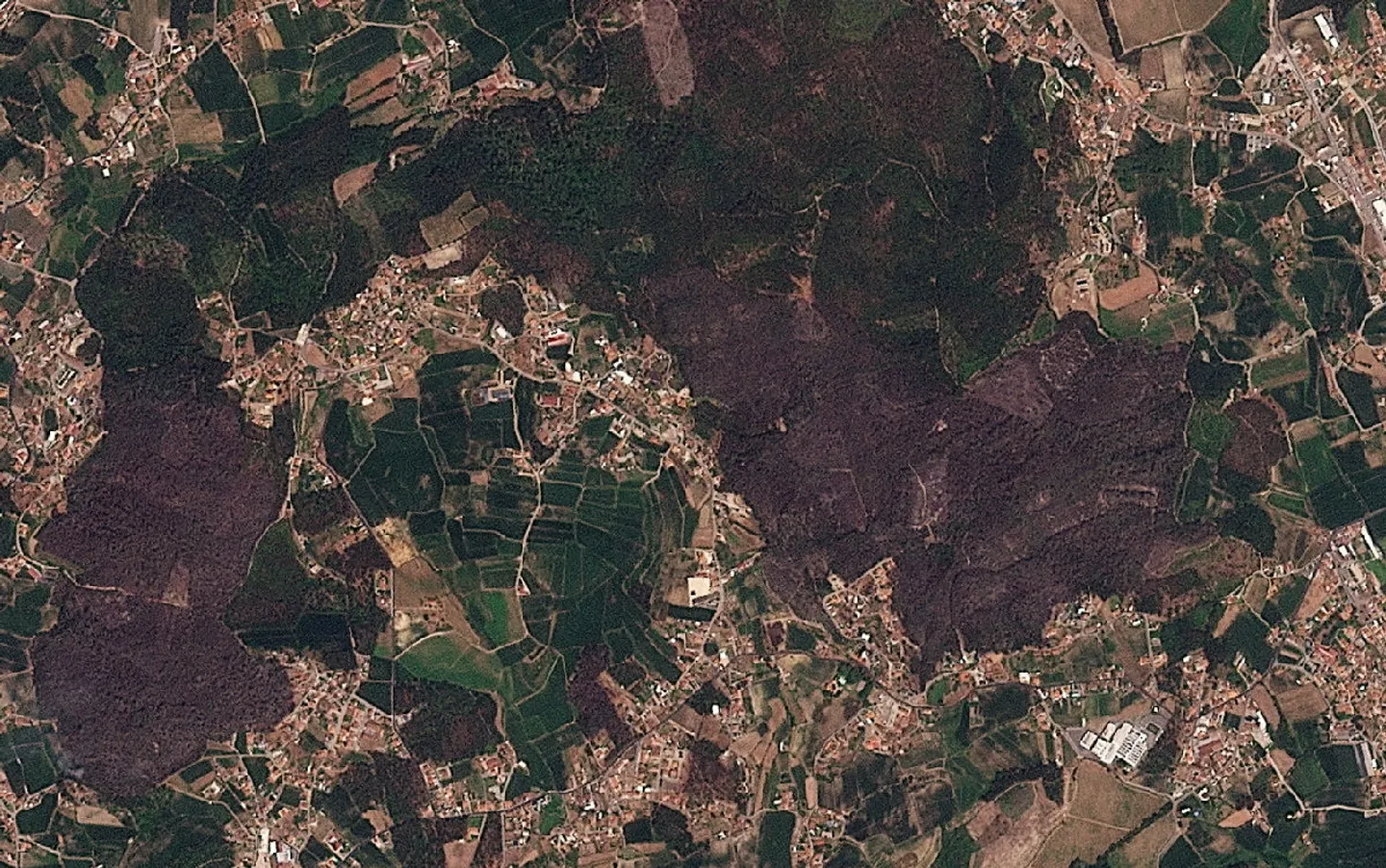
Wildfires have burned around 70,000 hectares, or 700km², in Italy so far this year, an increase of 133 percent compared with the average of the past two decades, the World Wide Fund for Nature (WWF) said on Wednesday.
The burned area is equivalent to approximately 100,000 football pitches, while nearly one-third of the fires affected protected areas, according to a new report by WWF Italy.
Across Europe, some 4,350km² have already burned so far this year, around 1,000km² more than during the same period in 2025.
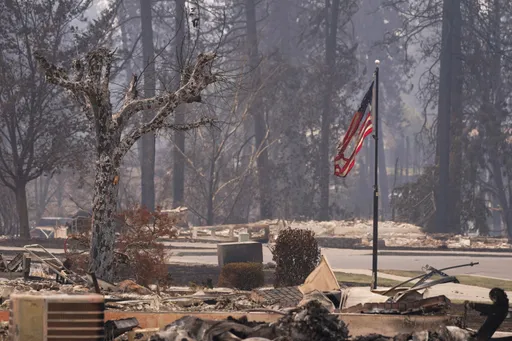
In Spain, wildfires have consumed 2,190km², while another 910km² have burned in France. The fires have caused dozens of casualties and forced more than 300,000 people to temporarily evacuate their homes.
WWF said increasingly extreme wildfires were becoming the “new normal,” driven by climate change and inadequate management of forests and other vulnerable landscapes.
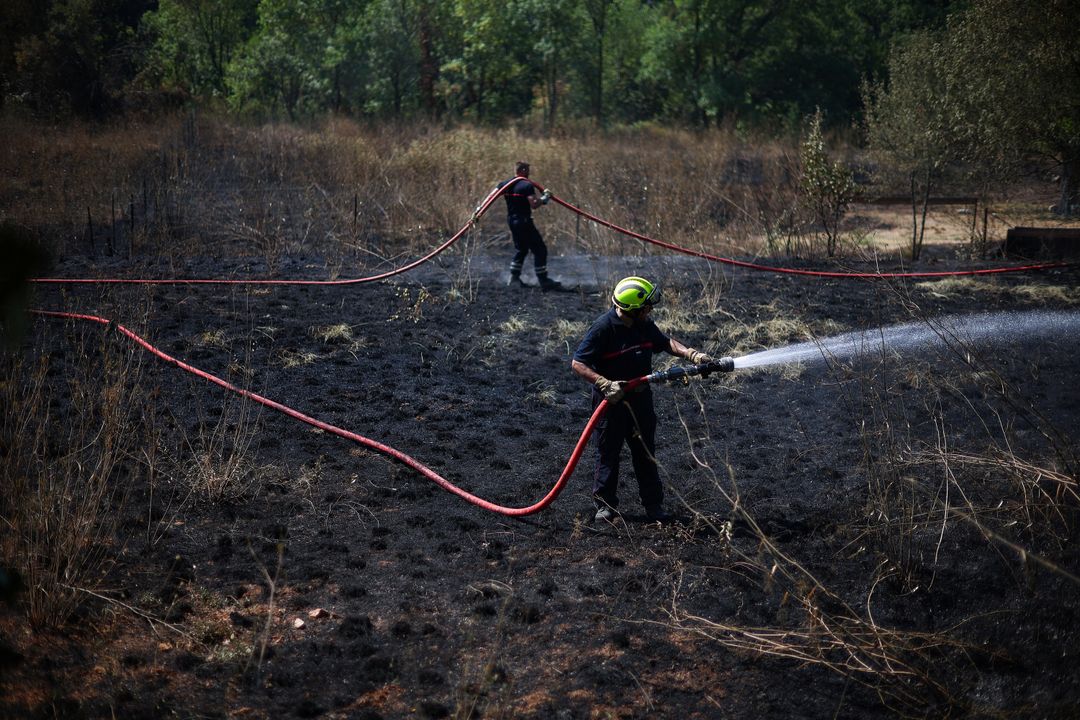
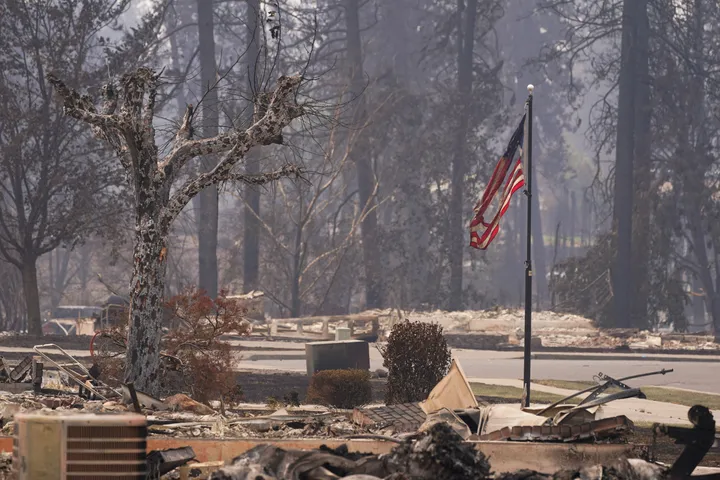

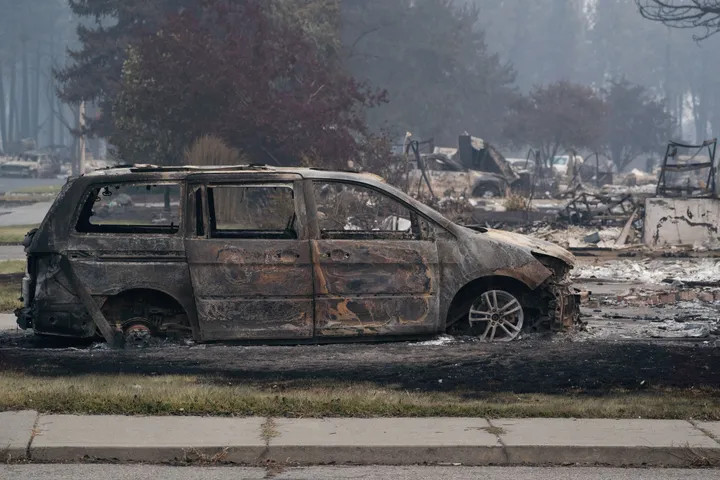




While emergency firefighting operations remain essential, they are no longer sufficient as fires become more intense, simultaneous, and difficult to contain, the organisation warned.
“Every summer we witness the same scenario: devastated territories, evacuated communities, destroyed biodiversity, and enormous economic costs,” said Edoardo Nevola, forestry manager at WWF Italy.
“We can no longer simply chase fires and prioritise suppression; the real challenge is to prevent fires from becoming uncontrollable by intervening before they develop,” he added.
The report outlined 10 priorities for authorities, including increasing prevention funding, strengthening coordination between agencies, improving risk monitoring, tightening territorial surveillance, and incorporating wildfire prevention into climate-adaptation policies.
WWF said human activity was responsible both for the climate change intensifying extreme fires and for almost all individual wildfire outbreaks, stressing that structural investment was necessary to make landscapes more resilient.