A precision air strike that hit the Shajarah Tayyebeh elementary school in southern Iran on 28 February appears to have been a US military operation, according to an investigation by The New York Times and Reuters.
The strike is the deadliest known episode of civilian casualties since the United States and Israel launched their joint campaign against Iran.
While no party has claimed responsibility, a body of evidence — including satellite imagery and verified video — points toward US involvement.
While the White House initially maintained a stance of "investigation," senior officials have conceded that the evidence overwhelmingly points to a US munition from the southern axis of operations.
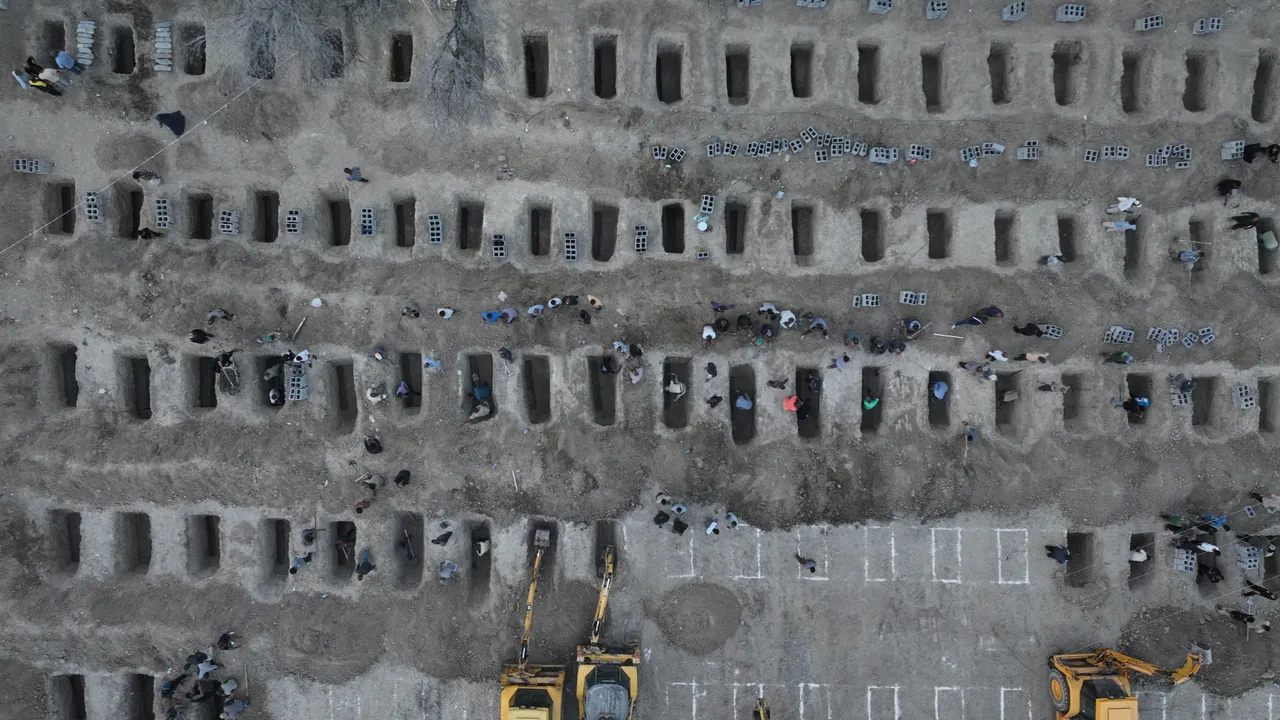
Iranian health officials and state media report that at least 175 people, many of them children, primarily girls aged seven to 12, were killed when the school was hit during the morning workweek.
"Picture-Perfect" Precision Strikes
A body of evidence assembled by The New York Times, including new satellite imagery from Planet Labs, indicates that the school building was severely damaged by a precision strike occurring simultaneously with attacks on an adjacent naval base operated by the Islamic Revolutionary Guard Corps (IRGC).
The imagery shows that multiple precision hits destroyed at least six Revolutionary Guard buildings.
Four structures inside the naval base were levelled, while two others showed impact points at the centre of their roofs—a signature of precision-guided munitions.
Wes J. Bryant, a former US Air Force targeting expert, in an interview with the newspaper, reviewed the imagery and concluded that all the buildings, including the school, were hit with "picture-perfect" target strikes.
Bryant suggested the most likely explanation was "target misidentification"—those forces attacked the site without realising it housed civilians.
Historical satellite imagery reviewed by The Times shows the building was part of the IRGC base in 2013 but had been partitioned off and repurposed as a school by September 2016.
Investigation and International Law
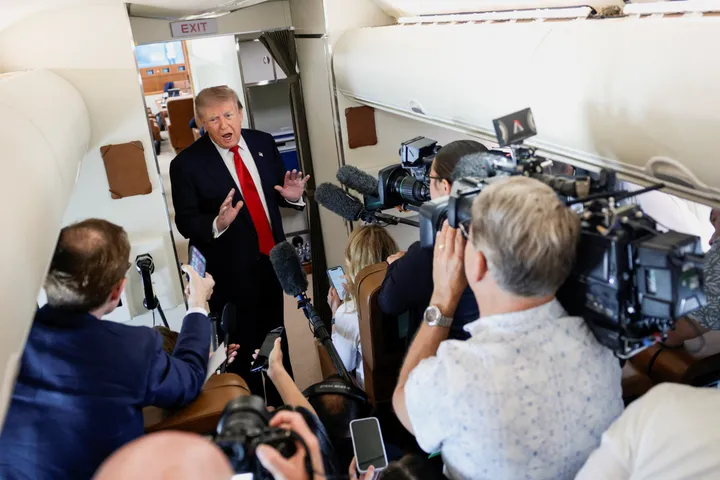
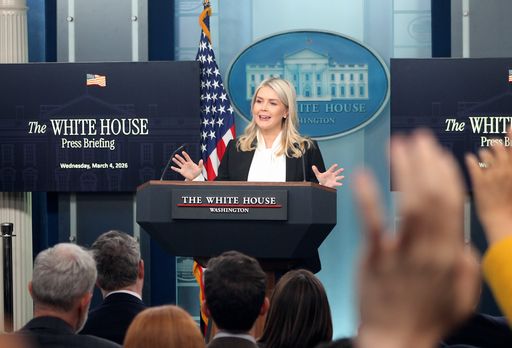
US Defence Secretary Pete Hegseth has acknowledged that the military is investigating the incident.
"We, of course, never target civilian targets. But we’re taking a look and investigating that," Hegseth said during a news briefing on Wednesday.
Similarly, Secretary of State Marco Rubio told reporters that the US would not deliberately target a school, referring further questions to the Department of War.
The UN human rights office has called for a transparent investigation, noting that the "onus is on the forces that carried out the attack."
Janina Dill, an expert on the laws of war at Oxford University, in an interview with the New York Times, emphasised that attackers are obligated to "verify the status" of a target.
Under international humanitarian law, deliberately attacking a school or civilian structure is considered a war crime.
Images of the funeral were broadcast on Iranian state television on Tuesday, showing rows of small coffins being passed through throngs of mourners.
As investigations continue, US officials have not ruled out the possibility that new evidence could emerge to point to another party, though the current weight of evidence— from flight paths to precision-guided impact patterns — strongly suggests an American munition was responsible for the tragedy in Minab.