 Baba Umar
Trump and Musk's Controversial Federal Buyout Program Sparks Unrest Among Workers
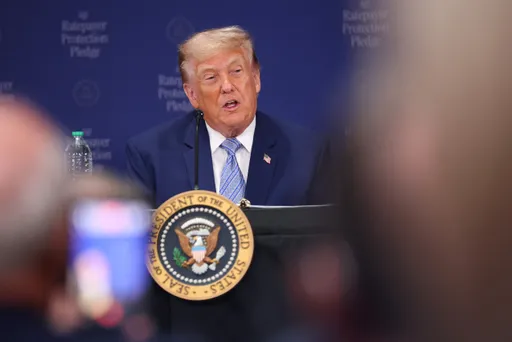
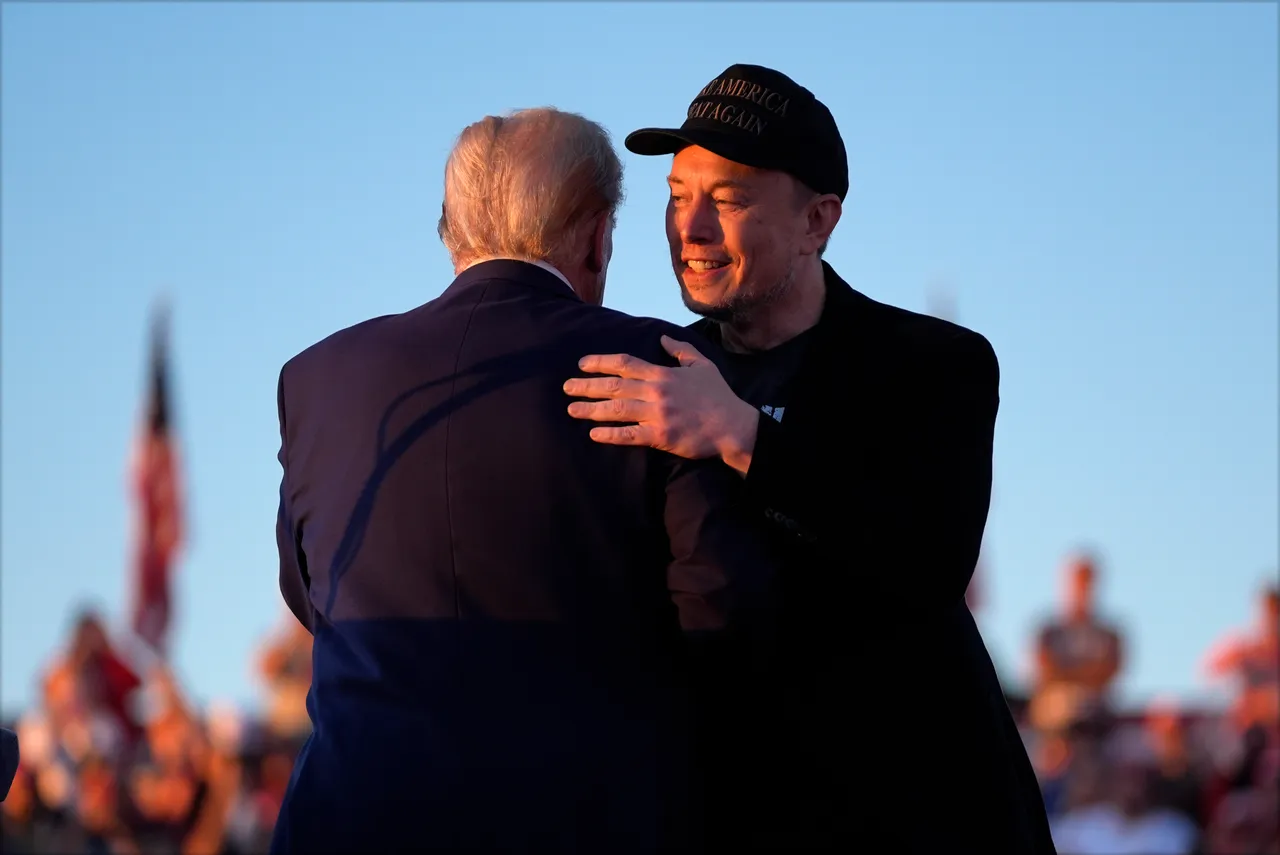
Washington, DC — In a significant development affecting federal employees, the Trump administration's controversial buyout program has led to widespread uncertainty and unrest among workers. As the deadline for acceptance looms, employees like Emily, a federal worker, find themselves at a critical crossroads. With the choice to either resign and secure guaranteed pay through September 30 or risk termination, many are grappling with the implications of this unprecedented initiative spearheaded by President Donald Trump and his advisor, billionaire Elon Musk.
A Tough Choice for Federal Employees
Emily, who spoke to TRT World under a pseudonym, expressed her dilemma, stating, "I am waiting and watching. Some colleagues who planned to quit have already taken the offer, but many are reluctant." This sentiment is echoed by Rubel, another federal employee, who noted that while some nearing retirement have accepted the buyout, many are hesitant, hoping that ongoing legal challenges might alter the program's fate.
According to the White House, over 65,000 federal workers—representing more than three percent of the total workforce—have accepted the buyout offers since the initiative was announced. The program, which was first introduced on January 28, allows approximately 2.3 million federal employees the option to resign while retaining full pay and benefits until the end of September.
Extended Deadline Amid Legal Challenges
Initially set for February 6, the deadline for accepting the buyout was extended to February 10, following a court order from the District Court of Massachusetts. The "Fork in the Road" email, sent via the U.S. Office of Personnel Management (OPM), has become a focal point of contention, as it outlines the terms of the buyout and the conditions under which employees must decide.








The buyout program, which excludes military personnel, U.S. Postal Service employees, and those in critical roles related to national security, has been framed by the administration as a necessary step to streamline government operations. White House press secretary Karoline Leavitt emphasized that taxpayers deserve a workforce that is present and productive, stating, "If they don't want to work in the office and contribute to making America great again, then they are free to choose a different line of work."
Legal Battles and Union Opposition
The buyout initiative has not gone unchallenged. Three employee unions, supported by 20 Democratic attorneys general, have filed a lawsuit arguing that the program is unlawful. They contend that the "deferred resignation" offer constitutes an "unlawful ultimatum" that coerces federal workers into resigning under the threat of mass termination. Critics have also pointed out that the program lacks the necessary congressional funding and fails to provide adequate assurances regarding its implementation.
In response, government lawyers assert that Trump has the legal authority to authorize federal employee buyouts. They argue that further delays in the program could lead to significant disruptions and inequities within the federal workforce. DOJ attorney Joshua E. Gardner highlighted the potential consequences of extending the acceptance deadline, warning that it could inject uncertainty into a program that many employees have already opted into.
The Stakes for Federal Workers
As the legal battle unfolds, the fate of federal employees like Emily and Rubel hangs in the balance. District Judge George O'Toole in Boston is set to hear arguments regarding the program's legality. His decision could either halt the initiative, allow it to proceed, or grant another temporary pause, extending the deadline for employees to make their choice.
The outcome of this case will not only impact the lives of thousands of federal workers but also set a precedent for how government restructuring initiatives are implemented in the future. As the clock ticks down to the deadline, the tension among federal employees continues to rise, with many anxiously awaiting the court's ruling.