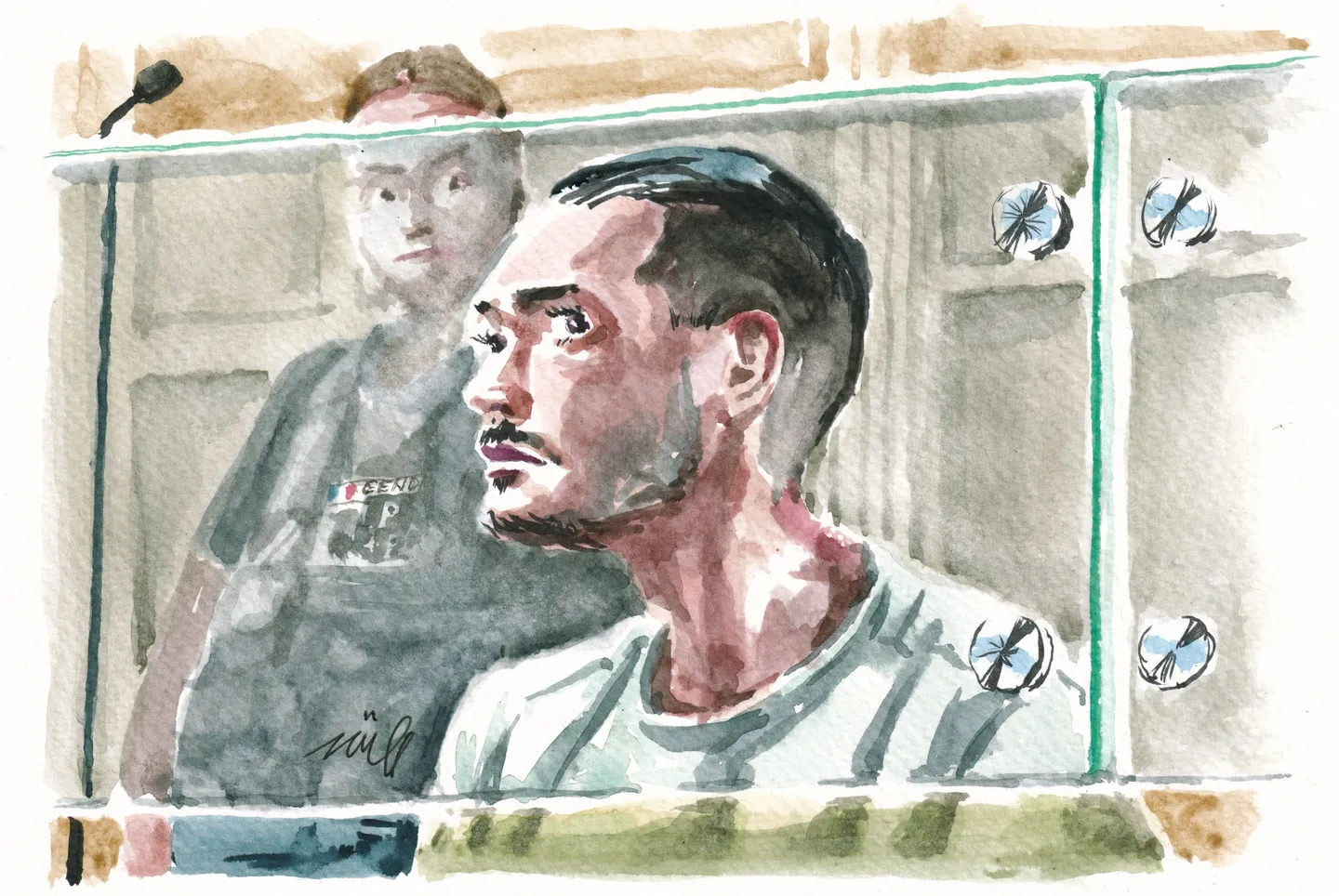
A French court has sentenced former Daesh member Othman Garrido to 30 years in prison over his participation in the public execution of two Iranian prisoners in Syria in 2015.
The 32-year-old French citizen was convicted on Tuesday by a special terrorism court in Paris of murder committed as part of an organised group in connection with a terrorist enterprise.
The sentence includes a 20-year period during which he will not be eligible for parole.
The court also convicted him of belonging to a terrorist organisation for joining Daesh, but acquitted him of a separate murder charge alleging that he personally carried out the executions.

Court finds Garrido participated in execution
The two Iranian prisoners were publicly executed in Syria in September 2015 by two other French Daesh members, Yacine Rettoun and Oumar Diaw.








Investigators used photographs recovered from the phone of Garrido's wife, along with international cooperation and open-source material, to establish his participation in the execution, according to French media reports. Garrido was shown in photographs with the two executioners and the victims.
However, the court rejected the prosecution's claim that Garrido was himself one of the executioners. Prosecutors had sought a life sentence, arguing that his years with Daesh involved combat, propaganda and participation in public executions.

Garrido says he was shaped by radical environment
During the trial, Garrido said he had been raised in a deeply radicalised family and left for Syria with his parents and siblings at the age of 18.
He portrayed his involvement with Daesh as shaped by his upbringing and said he had undergone a process of ideological disengagement during six years in French detention. He described education, reading and psychological support as important parts of that process.
French prosecutors questioned the extent of that transformation, while the defence asked the court to take his conduct in detention into account when determining his sentence. The court ultimately imposed 30 years, below the life sentence sought by prosecutors.