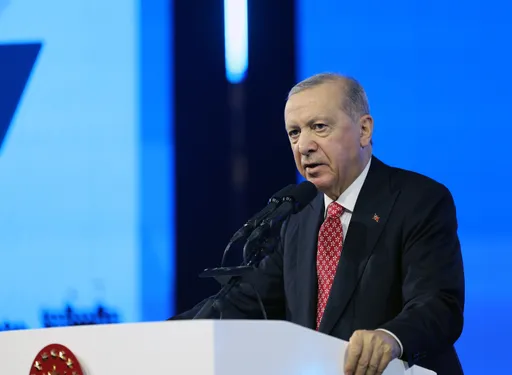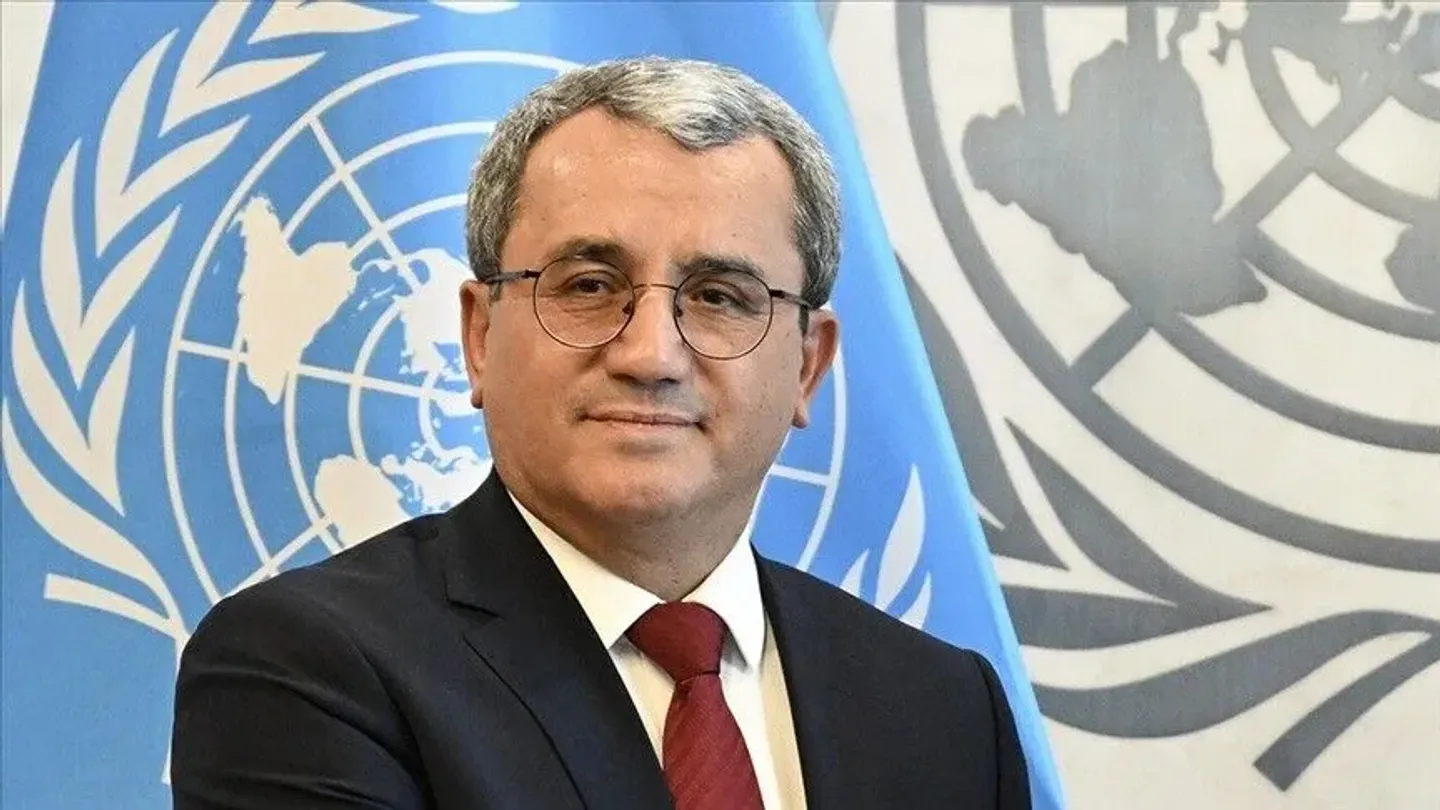
Türkiye's UN ambassador has described the dissolution of the terrorist organisation SDF as an “important step towards strengthening Syria’s unity and territorial integrity,” while warning that progress on the ground is lagging.
“We did not expect long-standing problems to disappear overnight. Nevertheless, progress on the ground is falling short of expectations,” Ahmet Yildiz said at a UN Security Council session on Syria on Monday.
Stressing that “integration must be genuine and go beyond changes in names and uniforms,” Yildiz said “any grievances from any groups on both sides should be managed accordingly” and that both sides “must remain vigilant against spoilers.”
The SDF is dominated by the YPG, the Syrian offshoot of the terrorist group PKK.
On August 25, Mazloum Abdi, then-commander of the SDF, announced the dissolution of the group and its full integration into Syrian state institutions.
Syrian President Ahmed al-Sharaa issued a decree in January "guaranteeing the rights of Kurds and some of their particularities" in the country.
Sharaa urged Kurds to "participate actively in building this homeland and preserving its safety and unity."
The Syrian government has been seeking to consolidate security and stability in the country since the ouster of the Bashar al Assad regime in December 2024, after 24 years in power.
Yildiz also pointed to the "growing threat of drug trafficking and the widespread presence of mines and explosive remnants of war," saying they require “sustained international attention."
He said Türkiye "stands ready to support Syria," including through cooperation with the UN Office on Drugs and Crime and the UN Mine Action Service.

Saying that Daesh "is adapting its strategy to changing conditions on the ground," he added that Syria "needs strong, professional security institutions to confront this evolving threat," also calling continued international support for strengthening their capacities "essential."
Israel's attacks on Syria
Turning to Israel, Yildiz said its "repeated violations" and "escalating military incursions and expansionist actions in Syria, in southern Syria, are unacceptable."
"Israel cannot ensure its security by destabilising its neighbours and keeping them under constant pressure," he said, adding that by weakening Syria’s security institutions, it "creates security vacuums that Daesh and other terrorist organisations exploit."
"We hope that the new Israeli government will recognise this reality and adopt a more constructive approach," he added.
For his part, Syria's UN envoy Ibrahim Olabi also denounced ongoing Israeli attacks on his country and said: "Syrians and the entire world have had enough of Israel's attacks and baseless pretexts and attempts to justify them."
"They have had enough of the Israeli occupation's insistence on curtailing efforts to stabilise Syria due to the political games and ambitions of its leaders," he said.
Stressing that "it is high time" to end Israel's "illusions" and "return to international law and legitimacy," Olabi also demanded that it is time for the region to "breathe a sigh of relief" and "enjoy security and prosperity."
Olabi added that Syria "is reviving old tales that used to describe it as a conduit between the East and West."