 Johnny Ward
Good morning from sunny Ordu, on the Black Sea coast of northern Türkiye. Here, the sea is never far away, and neither are the green hills that roll back from the shoreline.
This is a region people often associate with nature and fresh air — and Ordu has plenty of both — but it’s also a working city with its own rhythms, traditions, and a surprisingly modern feel.
Most people know Ordu for one thing in particular: hazelnuts. The wider Black Sea region is one of the world’s major hazelnut-producing areas, and Ordu is right at the centre of that story.
Hazelnuts aren’t just a local snack here — they’re part of the economy, part of agricultural life, and part of how the region connects to global markets.
But I’m not here only for hazelnuts. I want to understand what daily life feels like, what people value, and what kind of culture grows in a city like this — with the sea on one side and mountains on the other.
So, I start the day simply: on two wheels, moving through the streets at the kind of pace where you actually notice what’s around you.
After a short ride, I decide I’ve earned a proper reward — and in Ordu, that leads me straight to a cafe that locals describe as a bit of a destination in itself.
I meet the owner, Arena, who is originally from Romania but now considers herself part of the community here. That, in itself, says something about Ordu.
It’s not the first place international visitors think of when they picture the Black Sea, but it’s the kind of city where people can arrive, build something, and feel at home.
Arena tells me she didn’t want to create a typical modern coffee shop — the kind where everything is standardised and self-service.
Her goal was something more traditional: real hosting. A place where people feel welcomed, where you sit down, slow down, and stay a while.
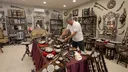
The interior reflects that idea. The design is filled with vintage objects — old furniture, antique cups, rugs — pieces that carry a history.
Arena explains that many of these items have been in her husband’s family for generations. Some of the cups people hold in their hands today were held by others a hundred years ago.
It’s a small detail, but it creates a kind of continuity — the sense that everyday life has layers.
And then we get to the real test: the desserts.
Arena is clear about her approach. She avoids factory-made sweets and makes everything in-house to keep the taste homemade and familiar.
Even her brownies come with a story — she says she tried more than ten recipes before finding one that stayed properly rich and moist.
She uses Belgian chocolate sourced through a local shop in Ordu, connecting something global to something local in a very practical way.
It’s not just a cafe. It’s a reminder that hospitality can be a craft — and that in a smaller city, a place like this can become part of the town’s identity.
Music and memories
From there, I head into Tasbasi, one of the oldest neighbourhoods in Ordu. This part of the city feels different. The streets are narrower, the pace is calmer, and the architecture carries visible traces of earlier eras.
At the heart of the area is the Tasbasi Cultural Center, a building with a long and complicated history. It was originally built in 1853 as a Greek Orthodox church and today serves as a cultural hotspot.
Spaces like this matter because they show how a city chooses to treat its past.
Rather than erasing older structures, Ordu has adapted this building to serve the community in the present — as a place for art, local events, and cultural life.
The original identity of the structure is still visible, but its purpose has changed. It’s a practical form of preservation: keeping heritage alive by giving it a role.
A short walk away, the atmosphere shifts again.
On Fidangor Street, the energy is more modern and lively. Shops, cafes, people moving through — and yet it still connects naturally back to the older parts of town.
That contrast, between historic neighbourhoods and contemporary city life, is part of what makes Ordu feel balanced. It’s not frozen in the past, and it’s not trying to imitate somewhere else.

And then, drifting through that street noise, I hear something that stops me: a clarinet.
Not background music — real playing, with confidence and emotion. And here, that matters. In Ordu, the clarinet isn’t just an instrument. It’s part of the city’s cultural reputation.
This is where the story becomes unexpectedly specific.
Ordu is closely associated with one of Türkiye’s most famous clarinet makers, a craftsman whose instruments became widely respected and helped shape the sound of Turkish music.
His legacy is so significant that a clarinet festival is now held here each year — not as a tourist gimmick, but as recognition of a real tradition.
I visit the workshop connected to that legacy, now carried forward by his family. The story I hear is one of skill built from modest beginnings — a craftsman born into a family of hazelnut farmers, teaching himself, developing his craft, and eventually gaining recognition far beyond his hometown.
Instrument-making is an art you only fully understand when you see what goes into it: the precision, the time, the patience.
A clarinet looks simple from a distance, but it’s made up of careful measurements and delicate parts that must work perfectly together. In a workshop like this, you realise that music doesn’t begin with the musician.
It begins with the maker.
And when someone plays one of these instruments, even briefly, you can hear the purpose of all that work — tone, warmth, clarity.
It’s a reminder that cultural traditions don’t survive on nostalgia alone. They survive because people keep practising them, refining them, and passing them on.
Food for thought
By now, I’m hungry again — and if you want to understand a region in Türkiye, food is often the most direct route.
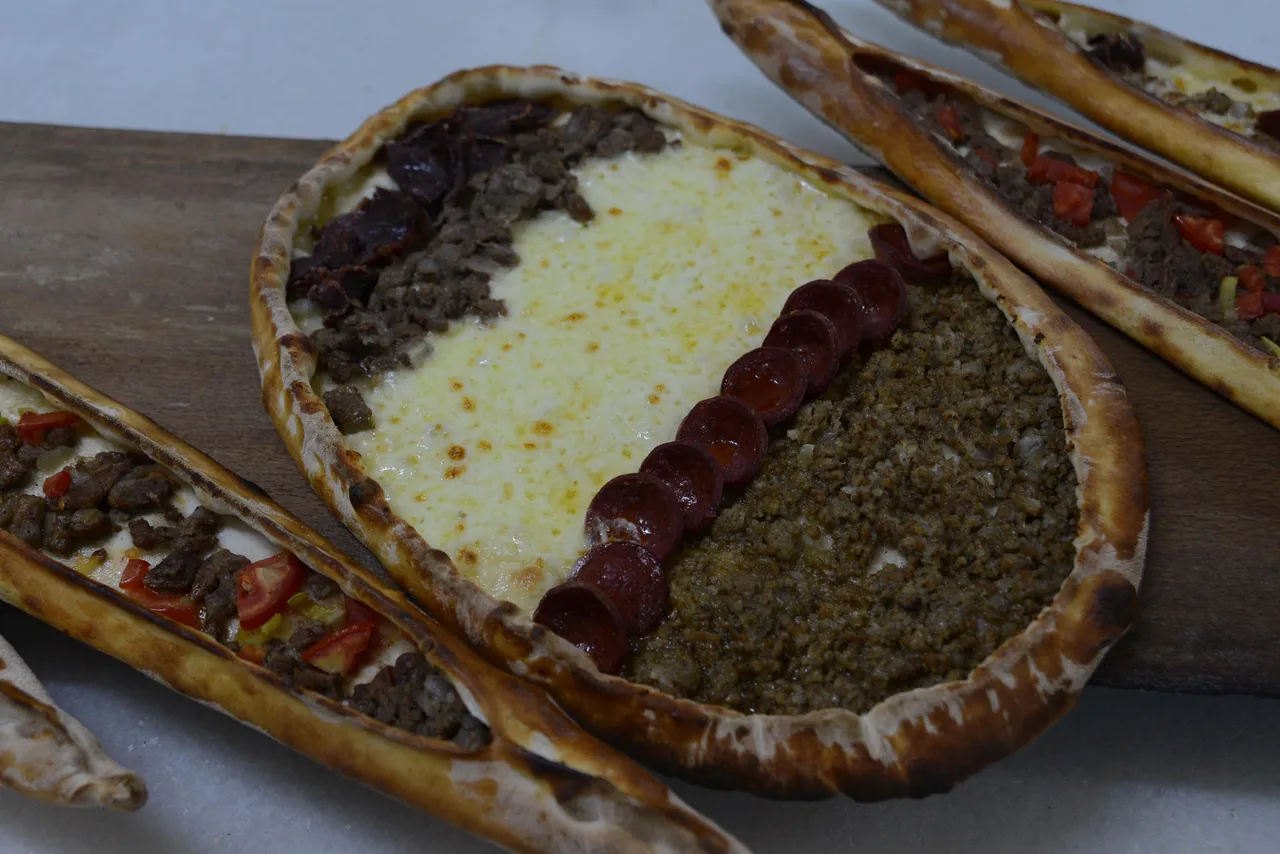
So I go looking for something that belongs to the Black Sea. And that brings me to pide — a long, boat-shaped flatbread baked in a stone oven, usually topped with ingredients like minced meat, cheese, or egg.
Pide matters here because it’s not just “something to eat”. It’s a regional staple with local variations, and it reflects how people in the Black Sea region cook: warm bread, simple ingredients, strong flavours, and food designed for sharing.
A local baker, Hakan, walks me through the options — more than I expected.
Some versions are richer, some simpler, but the fundamentals remain the same: crisp edges, soft centre, and that unmistakable oven-baked smell that makes waiting almost impossible.
You can eat a lot of things in Ordu, but if you leave without trying pide, you’ve missed a piece of everyday culture.
And then comes one of the city’s most popular experiences: the Ordu Boztepe cable car.
Cable cars in coastal cities often feel like a tourist extra, but here it’s genuinely part of how people experience the place.
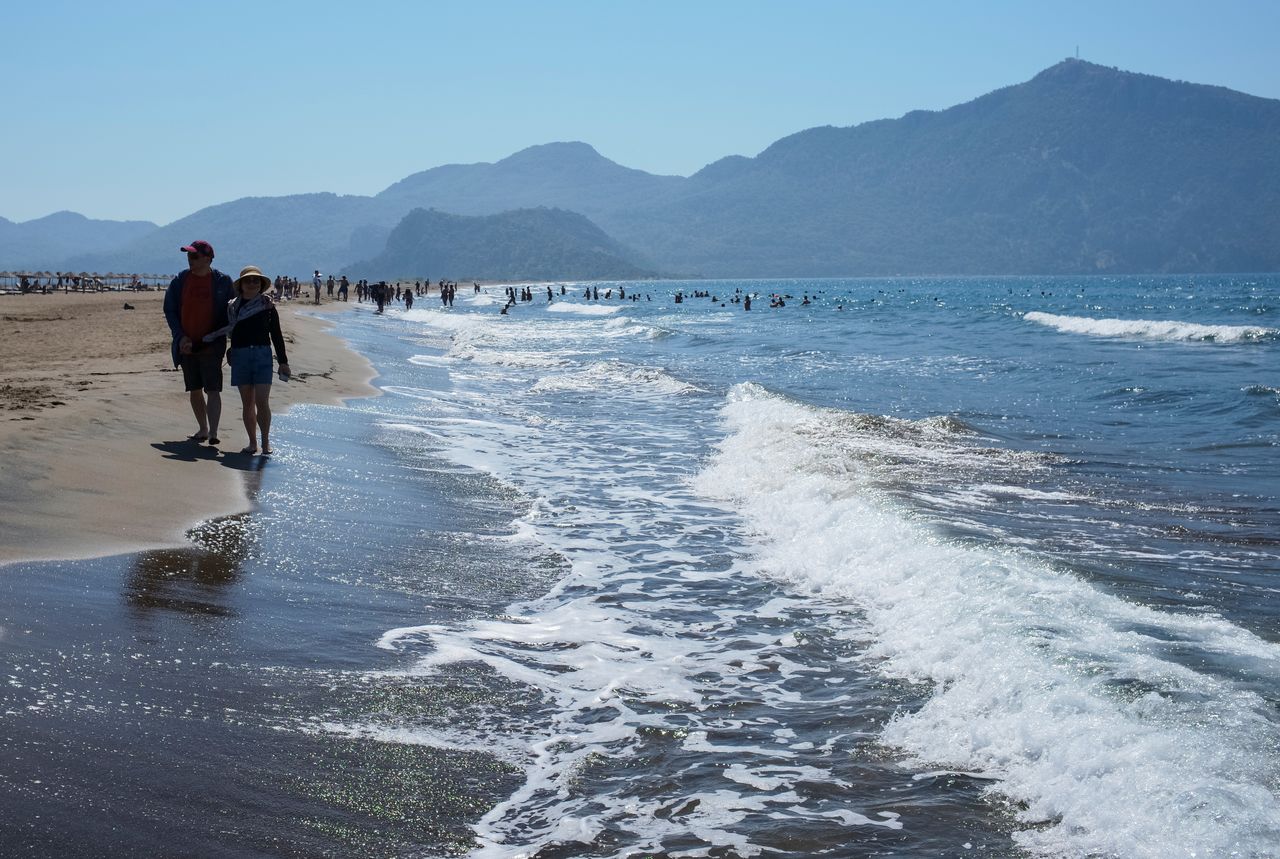
Boztepe sits above the city, and going up gives you the geography in one glance: the Black Sea stretching out in front, the city laid along the shore, and the green hills rising behind it.
From up there, the name ‘Black Sea’ starts to make sense in a different way. The water can look calm one moment and dramatic the next. The weather shifts quickly. The sea sets the tone.
Back down at sea level, Ordu has a long promenade that locals use every day — not only for visitors, but for walking, meeting friends, and spending time outside. It’s part of the city’s relationship with the coast: the sea isn’t a backdrop here. It’s part of daily life.
And just outside the city, there are more layers still — places like Kurul Castle, which ties the area to older histories that many travellers don’t associate with the Black Sea coast, and newer attractions like Ordu Chocolate Park, showing how the province also invests in family-friendly spaces and local tourism.
What stays with me most, though, is how many identities Ordu holds at once.
It’s an agricultural centre with global connections through hazelnuts. It’s a coastal city with modern energy.
It’s a place that preserves its historic buildings and still finds new uses for them. And it has cultural stories — like clarinet-making — that you would never guess from the outside.
That’s the real pleasure of travelling in Türkiye: the places that surprise you are often the ones that teach you the most.