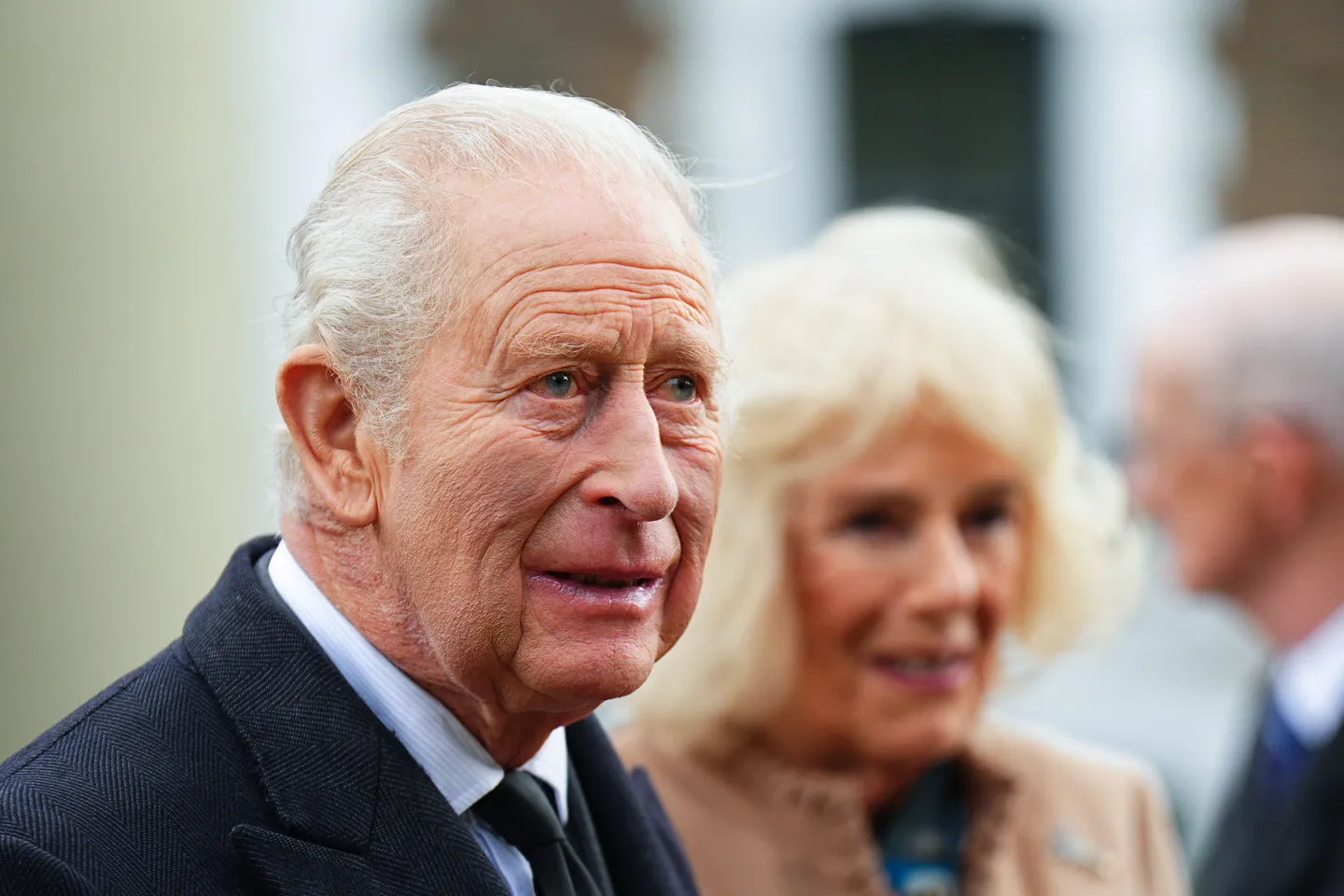
King Charles III and Queen Camilla begin a nine-day Caribbean tour this week, arriving to demands for slavery reparations, a formal British apology and greater independence from London.
The Bahamas National Reparations Committee says it knows what the royal couple will find. It expects “schools emptied of children who will stand in the sun and wave for the Crown that has taken everything from their ancestors and comes back smiling.”
Charles is expected to visit the Bahamas on Tuesday to begin the nine-day trip to the Caribbean. His last official visit to the archipelago was in July 1973 as a prince who granted the Bahamas independence, ending 300 years of British rule. But the Bahamas remains a Commonwealth realm, along with six other Caribbean nations that recognise Charles as their king and head of state.
While in the Bahamas, Charles is scheduled to visit Clifford Park, where the archipelago’s black, turquoise and yellow flag was raised for the first time more than half a century ago.
His visit will raise important questions, said Niambi Hall Campbell-Dean, chair of the Bahamas National Reparations Committee.
“Why do we still have a king? What does this person really represent to us? Why is he coming and how will that benefit us?” she said.
A psychology professor at the University of the Bahamas, Campbell-Dean said she recently mentioned Charles’ upcoming visit to her students, and they were not excited. She responded: “I know y’all might not care about this man who is coming, but here’s why this is of importance.”
Reparations push gains legal momentum
Caribbean leaders have long demanded an apology and reparations from Britain, which has consistently rejected both.
In early September, Jamaica took its reparations case to Charles. It has since been referred to the UK’s highest court of appeal for the island, a move AP describes as unprecedented.


After three days in the Bahamas, Charles flies to Guyana, where thousands of enslaved people rose up in the 1823 Demerara rebellion, one of the region’s biggest slave revolts. It took place on a plantation owned by the father of former British Prime Minister William Gladstone. More than 200 people were killed, and several were decapitated, with their heads placed on poles.
President Irfaan Ali told ITV News that Charles has “rightfully recognised slavery as the darkest days in human history”. “Moving to the apology is the next step,” he said.

Reparations set to test Commonwealth summit
After two days in Guyana, Charles flies to Antigua and Barbuda for the Commonwealth Heads of Government Meeting, where he meets leaders of 56 member states. Talks are expected to focus on climate, trade and development, but some Caribbean leaders say slavery reparations should dominate.
Jamaica, a regular stop for British royals, is not on Charles’s itinerary this time.
Steven Bennett, a 51-year-old Rastafarian, says that is for the best. “Until the British monarchy is ready to stand on Jamaican soil, look us in the eye, apologise, and talk about actual repair and restitution, he has no business here. We want justice, not a parade,” he says.
Hermine Reid, a 68-year-old retired civil servant, fondly remembers Queen Elizabeth II’s visits but accepts the change. “Jamaica is growing up and charting its own course, and the king clearly recognises that,” she says.