 Baba Umar
Washington DC — The US 2026 midterm elections take place tomorrow. And, if the final polls hold, Democrats could secure five key Senate battlegrounds — including deeply-red Texas and Kansas — while remaining essentially tied in two others.
Republicans currently hold a 53–47 majority in the Senate. Only a third of the 100 seats are being contested. Democrats would need a net gain of four seats to secure control (51 seats), since Vice President JD Vance would break a 50–50 tie in favour of his Republican Party.
Polls largely favour Democrats, projecting them to regain the House of Representatives majority and seriously challenge Republicans for control of the Senate.
In the past 20 US midterm elections, the president's party has gained House seats only two times. Current polling indicates 2026 is unlikely to be an exception.
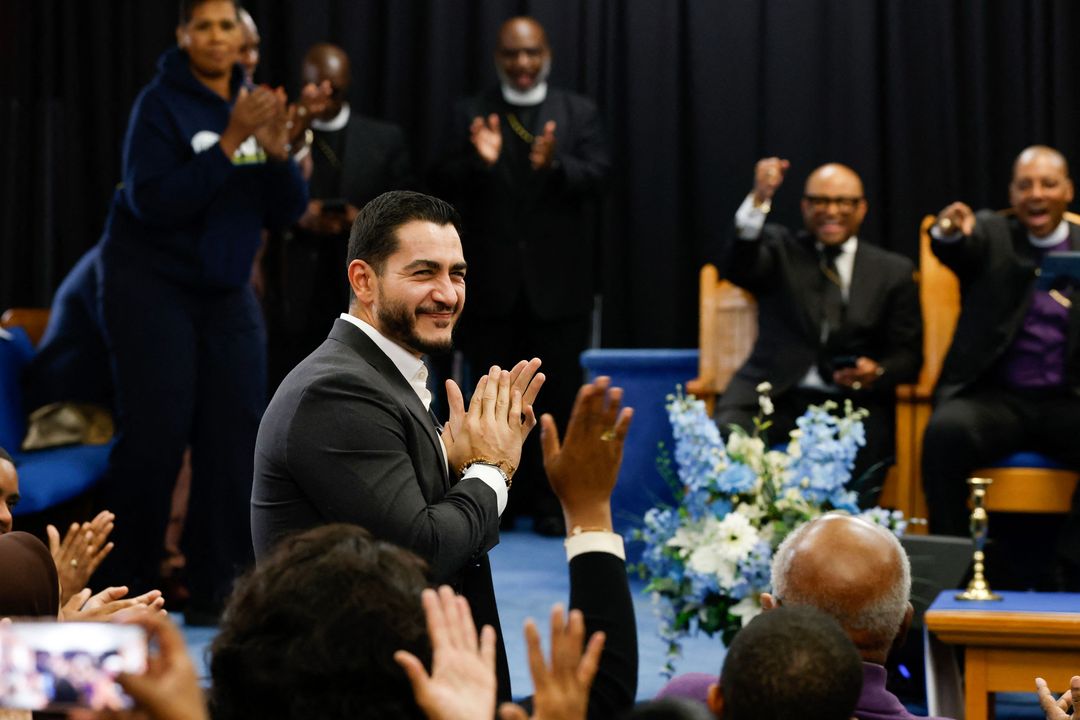
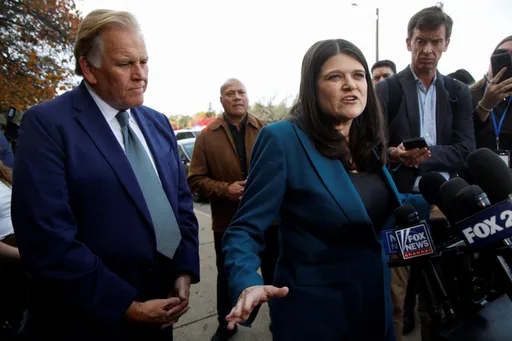
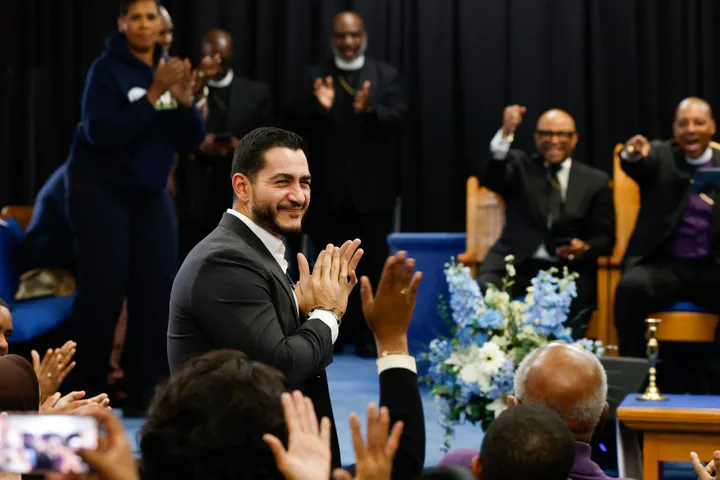
According to the final New York Times/Siena survey, Democrats are ahead in at least five Senate toss-up races headed into Tuesday’s election, including a double-digit lead in Michigan, despite Democratic congresswoman Haley Stevens endorsing Republican candidate Mike Rogers against left-wing progressive candidate Abdul El-Sayed in what Democrats call a startling "betrayal."
The high-profile surveys of likely voters in seven key states, conducted between October 23 and November 1, found the Democrats ahead in five and essentially tied in two. Many races, however, remain within the margin of error.
In Michigan, Democratic Abdul El-Sayed leads Republican Senate candidate Mike Rogers by 53 percent to 42 percent. Democratic James Talarico holds 50 percent against Republican Ken Paxton’s 43 percent in Texas state. Similarly in Maine state, Democratic Troy Jackson registers 51 percent compared to Republican Susan Collins’ 45 percent.
In Ohio state, polls show Democratic Sherrod Brown standing at 49 percent to Republican Jon Husted’s 44 percent.
In Kansas state, Democratic candidate Adam Hamilton leads Republican Roger Marshall by 49 percent to 44 percent.
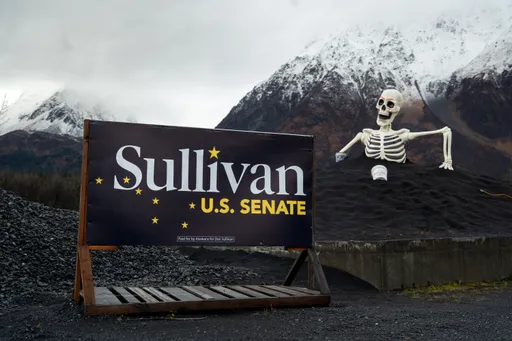
In Alaska state, Mary Peltola of Democratic Party commands 48 percent against Republican Dan Sullivan’s 46 percent. And in Iowa state, Democratic Josh Turek leads Ashley Hinson of the Republican Party marginally with 48 percent to 47 percent.
RealClearPolitics Polling averages as of Monday shows smaller Democratic leads in most of the same races, with several rated toss-ups.





In the designated toss-up races, El-Sayed leads by 5.3 points in Michigan, Hamilton is ahead by 3.6 points in Kansas, Jackson holds a 3.3-point lead in Maine, Brown leads by 2.8 points in Ohio, Talarico has a 2.5-point advantage in Texas, and Peltola maintains a 1.4-point lead in Alaska. In Iowa, Republican candidate Hinson holds a slight advantage of 0.3 points, whilst in South Carolina, Democrat Darline Graham leads by 2.7 points.
In other closely watched contests, Democratic candidates hold stronger advantages, with Roy Cooper ahead by 10.8 points in North Carolina, Jon Ossoff leading by 8.2 points in Georgia, Chris Pappas leading by 8.0 points in New Hampshire, and Peggy Flanagan holding a 5.4-point lead in Minnesota. In Florida's special election, Republican candidate Ashley Moody maintains an advantage of 6.3 points.
Cook Political Report’s latest Senate outlook rates Democrats as the slight favourites to win control of the chamber. It projects the Democrats will gain two to six seats, though seven toss-up races mean both parties retain viable paths to a majority.
Forecaster Decision Desk HQ has Democrats winning the Senate 52-48 and the House by a comfortable 241-194.
Five of the Democratic leads are in Republican-held states, including Texas and Kansas, which have not elected a Democratic senator since 1988 and 1932, respectively.
The Michigan race has recorded the widest lead among key US Senate battleground states surveyed by The New York Times and Siena College.
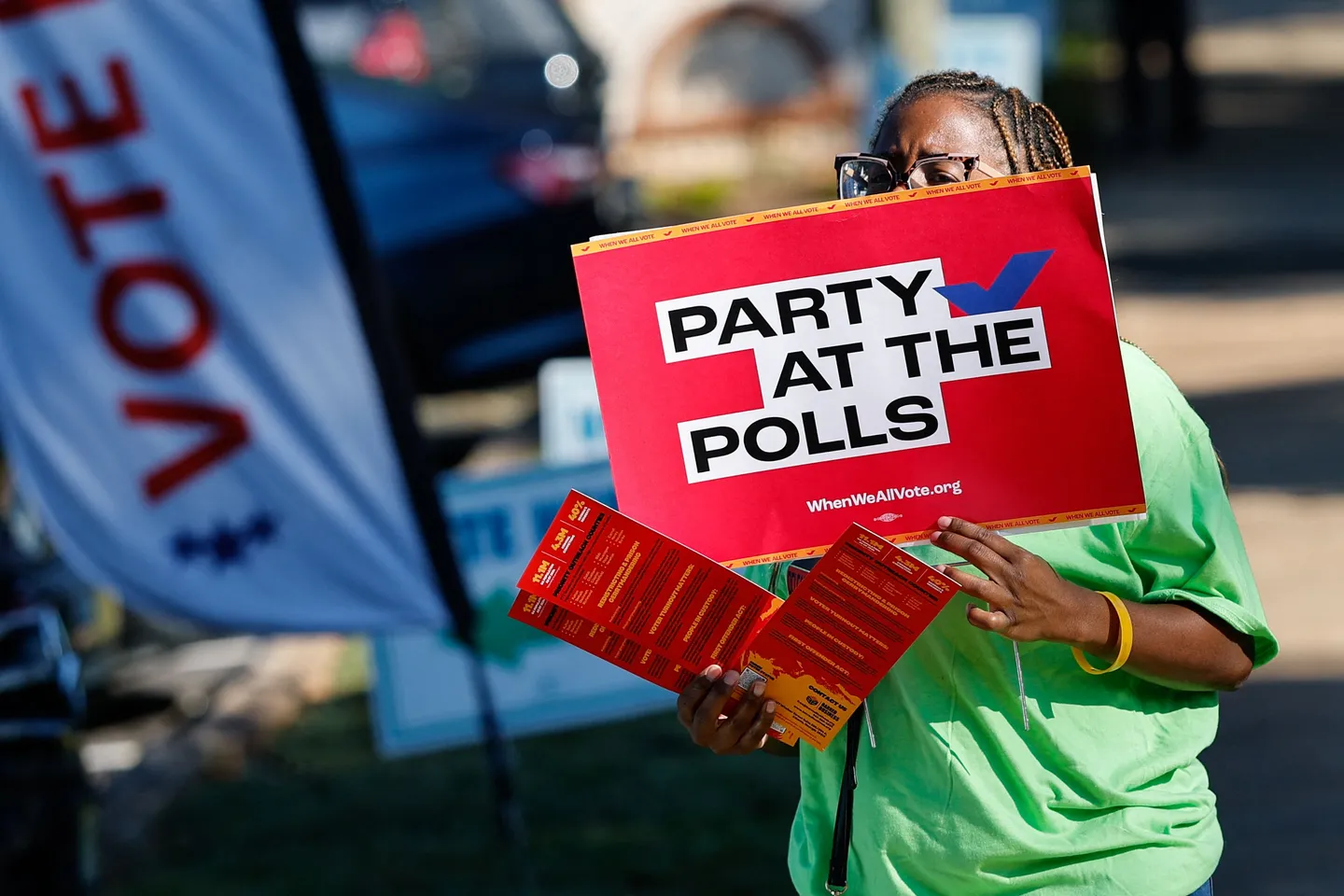
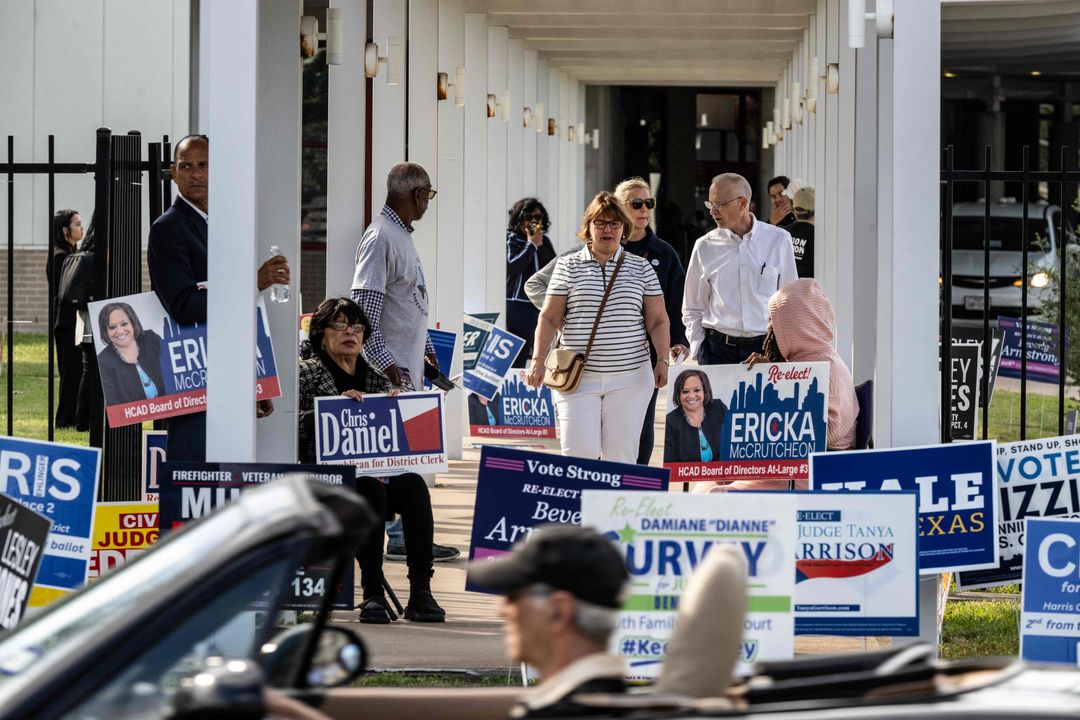
Meanwhile, a record 54 million people have already cast ballots in the mid-term elections, which have also drawn approximately $11 billion in advertising, with a significant share coming from individual major donors.
The economy and cost of living dominate voter concerns, followed closely by healthcare and the US-Iran war.
From petrol pumps to healthcare facilities, US tensions with Iran have driven up global fuel prices.
Ordinary Americans recently interviewed by TRT World expressed concern over the impact of the rising cost of living on their livelihoods.
Republican strategists, such as Beau Rothschild, acknowledge that inflation and the rising cost of living are challenges facing Republican candidates across the country, and that voters are feeling economic pressure, "which is certainly creating political headwinds".