Energy ministers from the Group of Seven (G7) countries have said they are ready to take “all necessary measures” in coordination with the International Energy Agency (IEA) to address risks to global energy supplies stemming from the conflict in the Middle East, according to a statement.
They made the statement on Wednesday after Tuesday’s virtual meeting with Fatih Birol, the Turkish economist who heads the IEA, to assess the impact of the regional crisis on global energy markets.
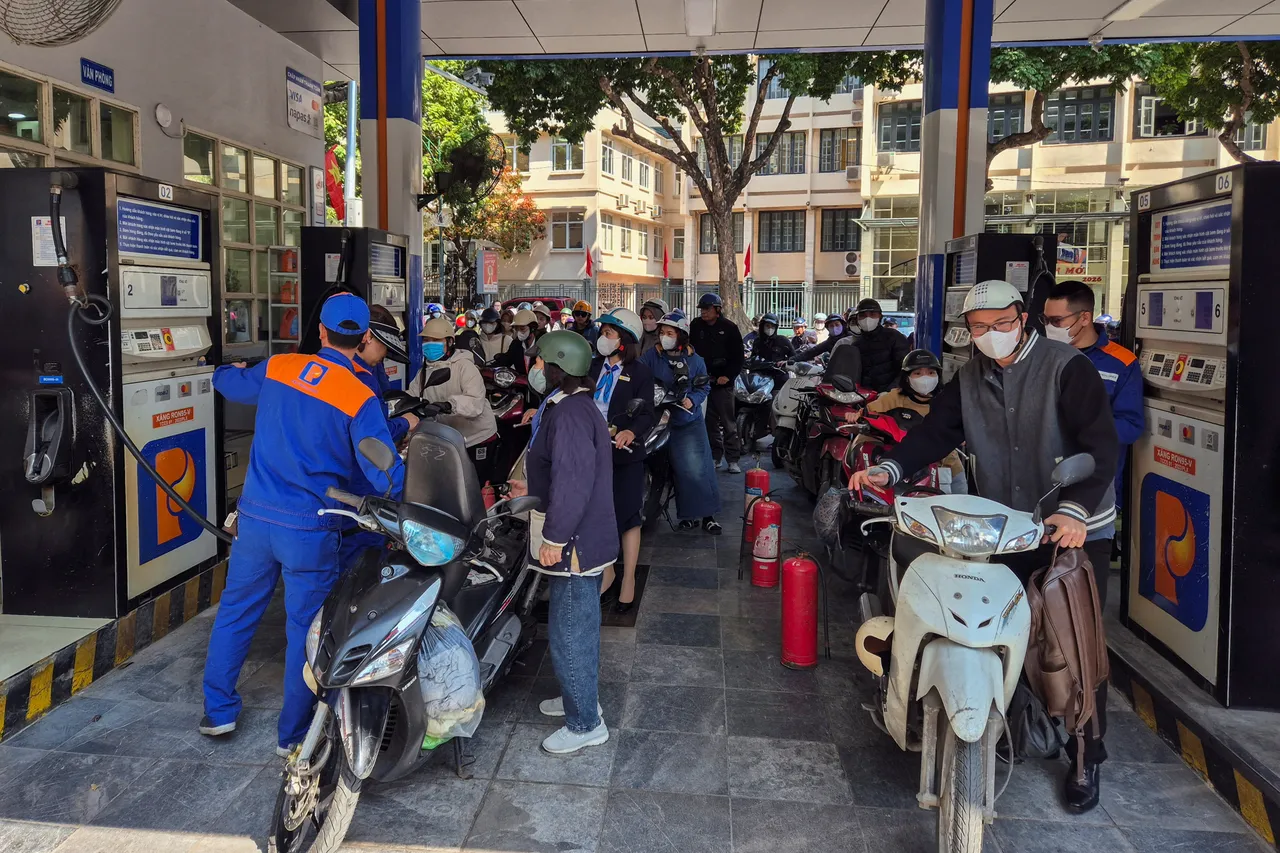
In a joint communique, the group said it is closely monitoring oil and gas supply security as well as energy price volatility across member countries and globally.
“Working alongside the IEA, we are vigilantly monitoring energy market trends and are coordinating within the G7 and with our international partners,” they said.
The G7 also voiced support “in principle” for proactive steps to address potential disruptions, including the possible use of strategic reserves.
Later, the IEA suggested a coordinated release of about 300 million to 400 million barrels from strategic stockpiles held by its member countries, according to a person familiar with the discussions. If approved, the move would mark the largest emergency oil release in the IEA’s history.
The energy ministers also said member states would carefully review recommendations emerging from the discussions and reaffirmed that they stand ready to act if needed.
“We agreed to stand ready to take all necessary measures in coordination with IEA Members,” the communique said.
Since Israel and the US launched joint attacks on Iran on February 28, so far killing more than 1,200 people, including former Supreme Leader Ali Khamenei, hostilities have escalated.
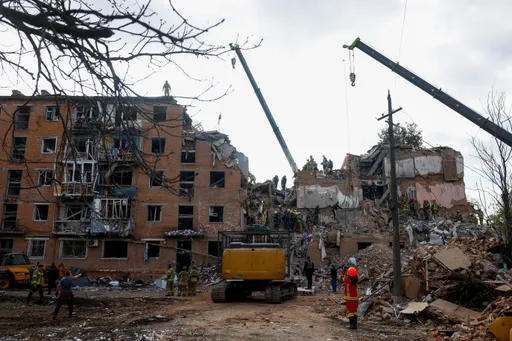
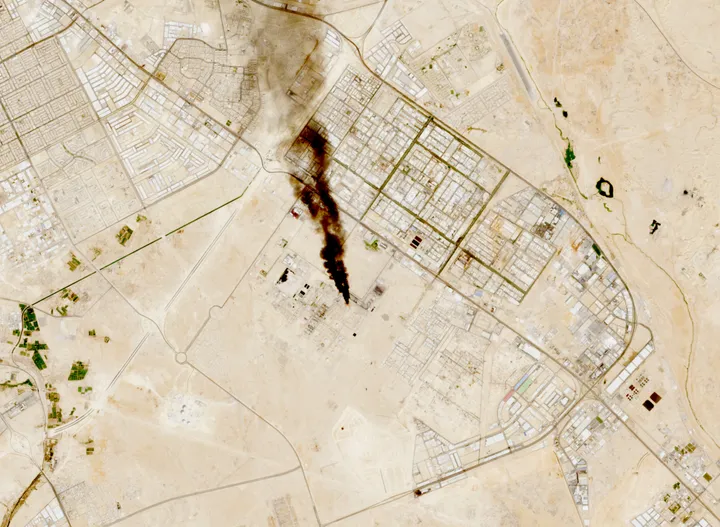
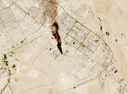
Iran has retaliated with drone and missile strikes targeting Israel, Jordan, Iraq, and Gulf countries that are home to US military assets.
Iran also effectively closed the Strait of Hormuz on February 28. The strategic waterway normally handles about 20 million barrels of oil shipments daily and roughly 20 percent of the global liquefied natural gas trade.