A leading group of German peace researchers has warned that racism and a climate of suspicion toward Muslims are putting Germany’s “domestic peace” under growing strain.
“Anti-Muslim racism is structurally entrenched and reinforced by security policy discourses,” the 2026 Peace Report released on Monday said, noting that debates on terrorism and migration often fail to distinguish between law-abiding Muslim residents and the small number of extremists.
“As a result, the entire Muslim community fell under blanket suspicion of posing a collective security threat,” the report said.
“In the meantime, anti-Muslim racism has come to serve as a vehicle for embedding right-wing agendas and rhetoric across the entire political spectrum. This trend is reinforced by a discourse on migration that is increasingly linked to the construction of anti-Muslim 'enemy images' and demands for ever-harsher measures.”
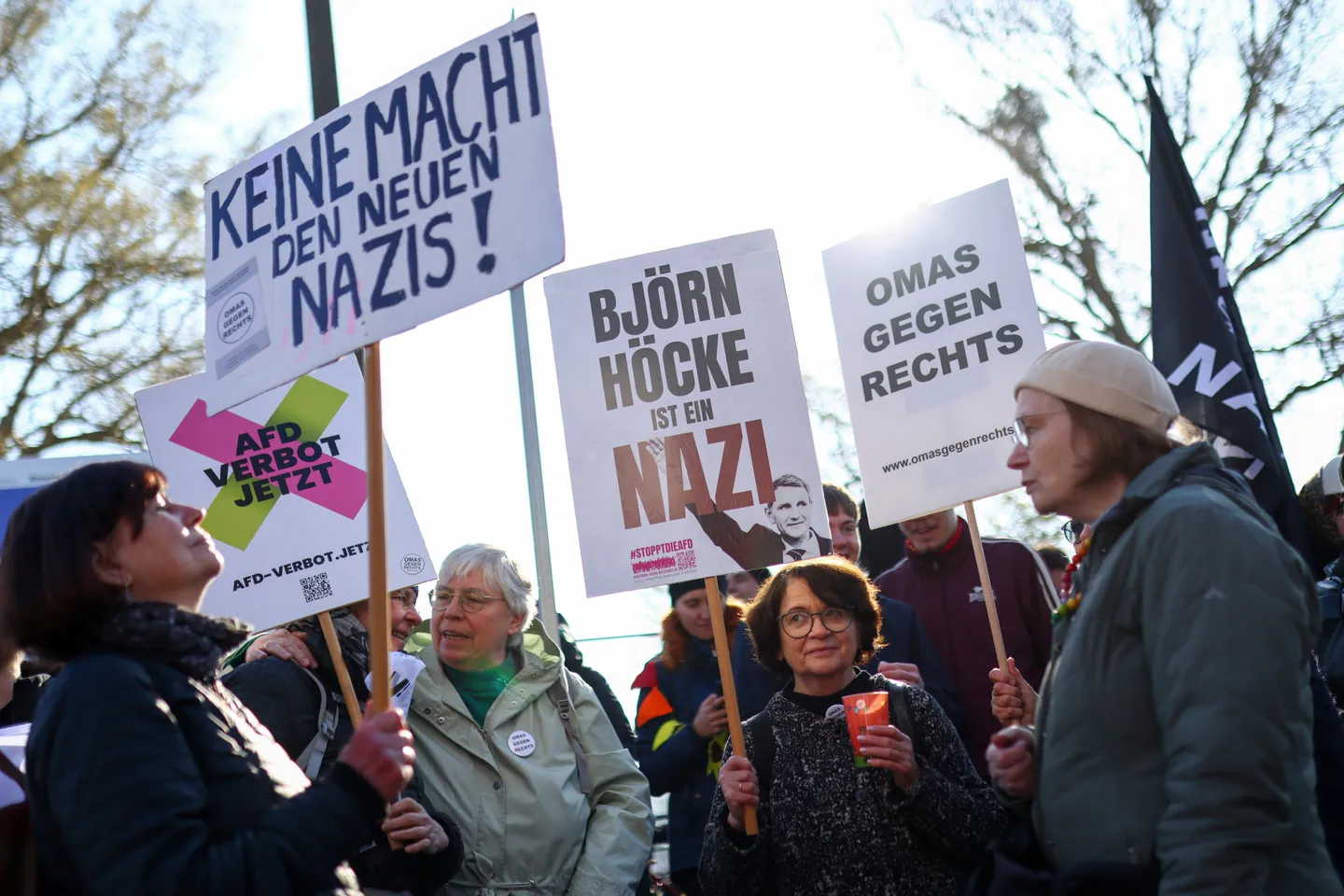
The researchers warned mainstream parties, including Chancellor Friedrich Merz's conservatives, against adopting the rhetoric of the far-right Alternative for Germany (AfD) in an effort to attract voters, stressing that doing so risks advancing the far right’s agenda.
“Democratic parties should counter the spread of polarising and racist discourses in areas such as migration and asylum policy. Otherwise, they indirectly promote the agendas of authoritarian and right-wing extremist parties,” the report said.
Anti-Muslim incidents surge 51%








Anti-Muslim incidents recorded in Berlin rose sharply in 2025, a rights group said on Monday, citing a tally that includes discrimination, threats and dangerous physical assaults.
CLAIM, an alliance that monitors Islamophobic attacks, said it recorded 975 incidents in the German capital last year, a 51 percent increase from 2024.
“Our annual report clearly shows that anti-Muslim racism is an everyday reality for many people in Berlin,” CLAIM co-director Rima Hanano said in a statement.
“Particularly alarming are the 65 documented cases of physical assault, including eight classified as dangerous bodily harm,” she said.
The report described a range of hate-motivated threats and attacks, saying women were spat on in trams for wearing headscarves and, in some cases, had their headscarves torn off.
It also cited threats against mosques and years of anti-Muslim hate messages from a neighbour that, the group said, had continued despite repeated police reports and without apparent consequences.