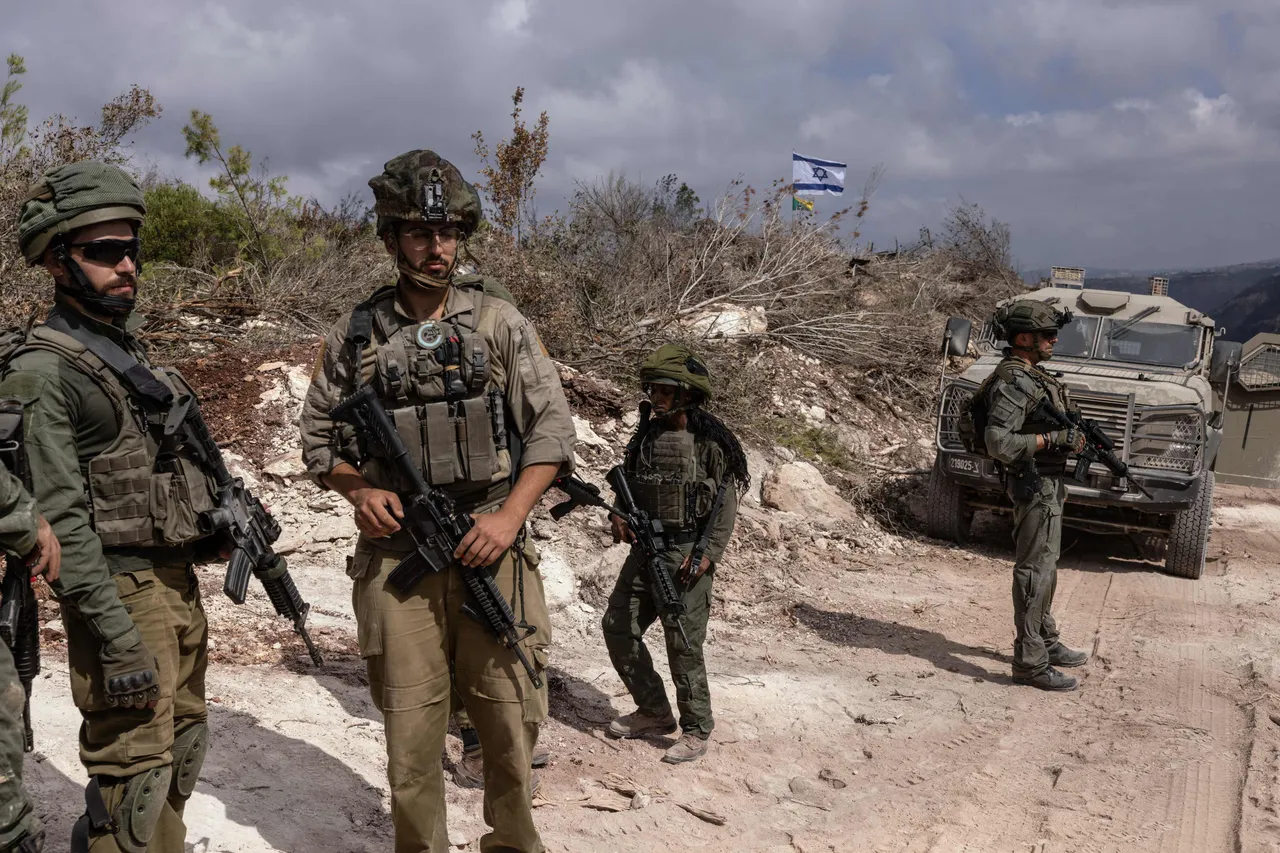
Israel’s Defence Minister Israel Katz announced on Tuesday that he authorised military incursions into Lebanon after Hezbollah launched attacks following the killing of Iran’s Supreme Leader Ali Khamenei.
At the same time, reports say that the Lebanese army has started pulling out from several positions along the border.
The Lebanese army had pulled out of at least seven forward operating positions along the border, Reuters reported, citing witnesses.
Katz said Netanyahu supported the move, aiming to secure strategic positions.
"Prime Minister Benjamin Netanyahu and I have authorised the Israel Defense Forces (army) to advance and take control of additional strategic positions in Lebanon in order to prevent attacks on Israeli border communities," Katz said in a statement.
Israel and Hezbollah agreed on a ceasefire to end the fighting in November 2024 over Israel’s genocidal war in Gaza, however, Tel Aviv continued striking Lebanon.
A Hezbollah official had told AFP that the group would not intervene in "limited" Israel-US strikes on Iran, but would consider any targeting of Supreme Leader Ali Khamenei a "red line" that would trigger intervention.
Hezbollah struck Israel with rockets and drones on Sunday — after Israel-US strikes killed Khamenei — aligning with Iran in retaliation for Israeli and US strikes against Tehran.
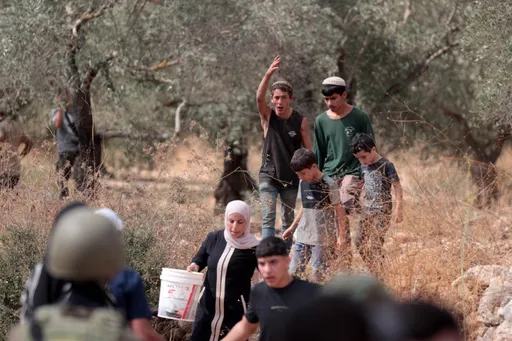
Israeli forces deployed overnight to southern Lebanon, occupying additional positions described as forward defence to prevent Hezbollah’s attacks.
"We're only at the borderline area in a defensive manner to prevent attacks against civilians and very strategic important points," Lieutenant Colonel Nadav Shoshani said in an online briefing with reporters on Tuesday.
Spokesperson Shoshani added that the “tactical” measures were not a ground offensive, but rather focused on protecting civilians and strategic sites.

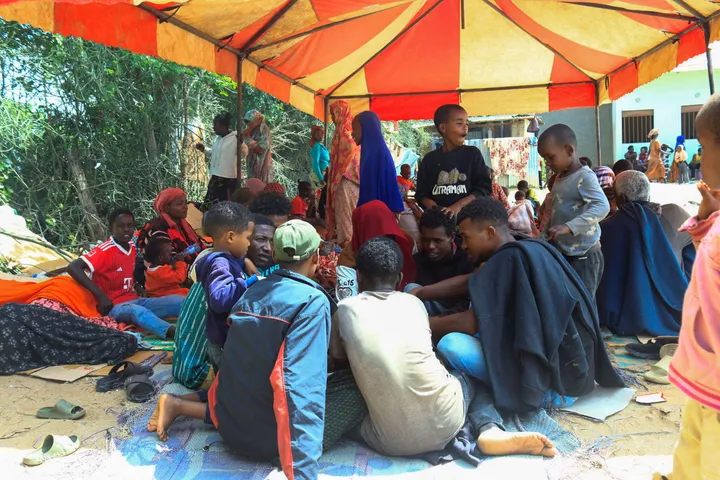
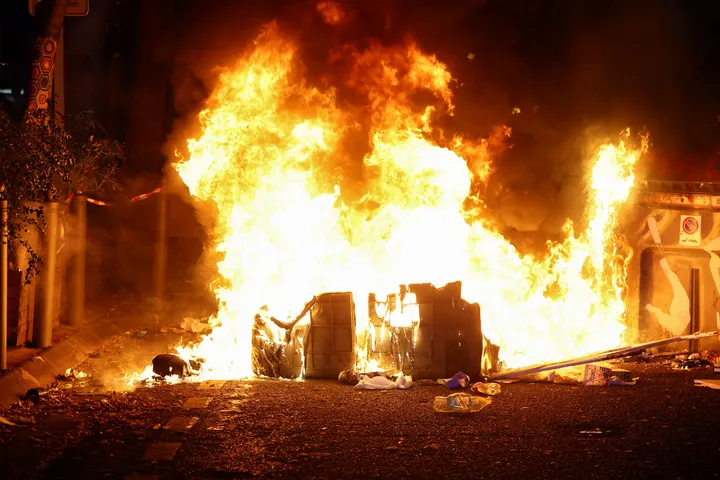

Since November 2024, Israel has maintained occupation over five positions in southern Lebanon.
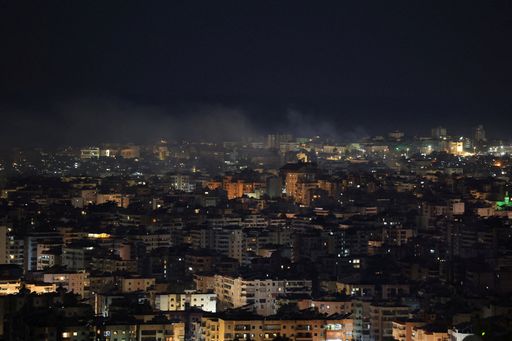
Hezbollah strikes Israeli positions
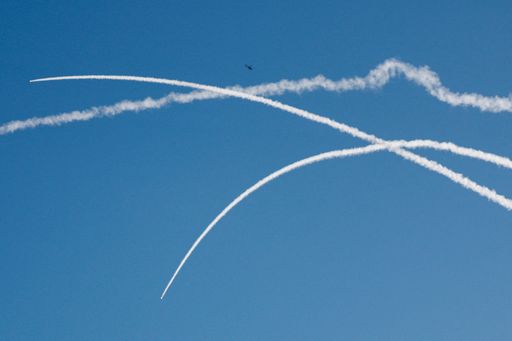
Hezbollah said it targeted three military bases in northern Israel and the Israeli-occupied Syrian Golan Heights with rockets and drones.
In three separate statements on Tuesday, the group said the attacks were in response to what it described as Tel Aviv’s aggression against Lebanon.
The Ramat David Air Base suffered damage to a radar and command building, according to Hezbollah’s statements that strikes were “limited to military objectives.”
The Meron base, overseeing air offensives and surveillance, was struck with drones, inflicting limited but targeted damage, the group said. It said the attack damaged one of the base’s radars and a command building.
Hezbollah also sait it launched a heavy rocket barrage at the Nafah base, headquarters of the 210th Bashan Division in the Israeli-occupied Syrian Golan Heights.
The Israeli military has not yet publicly confirmed the details of the reported Hezbollah attacks on its bases.