 Kazim Alam
The US could be fast running out of its most effective missiles and interceptors, as a string of conflicts from Ukraine to Iran has vastly depleted the stockpiles of what is considered the world’s most lethal military set-up.
The 39-day Washington-led war against Iran, currently on pause under an extended ceasefire, has drawn fresh attention to the state of US munitions reserves, with American military hawks pressing the alarm button over what they believe is a serious strain on missiles and air defence systems.
A just-released analysis by Washington-based Defence and Security at the Center for Strategic and International Studies (CSIS) provides the most detailed public snapshot yet of the strain.
Over the years, the US has provided military support for Ukraine against Russia and for Israel against Gaza and Lebanon, draining its munitions reserves.
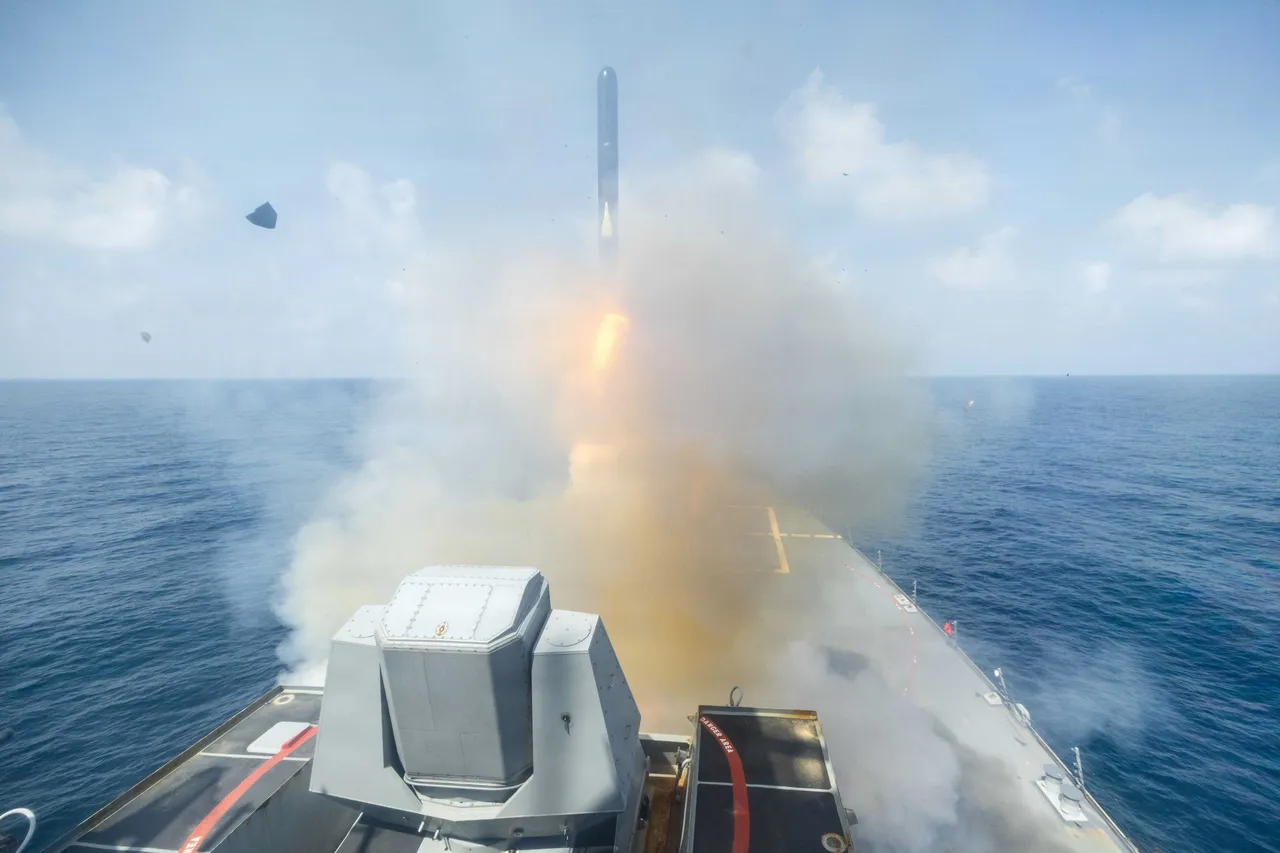
But in the Iran campaign alone, US forces fired more than 850 Tomahawk cruise missiles in the first month, over 1,000 JASSM missiles, and the entire pre-war inventory of the new PrSM system.
Air- and missile-defence stockpiles took a heavier beating: roughly half of THAAD and Patriot interceptor inventories were expended, along with significant portions of SM-3 and SM-6 stocks.
Experts who have closely tracked American military stockpiles say that for now, the US has enough to keep on fighting, but many high-end munitions are far below the levels that war planners would ideally want for another high-intensity conflict.
The categories of munitions hit hardest are those that matter most in modern, high-tech warfare: advanced missile-defence interceptors and long-range precision strike weapons, they say.
Mark F Cancian, senior adviser for Defence and Security at CSIS and co-author of the report, tells TRT World that seven key missile systems have come under particular strain.
These categories include the Patriot, a ground-launched missile for intercepting incoming aircraft and ballistic and cruise missiles, as well as the SM-3 and SM-6, both ship-launched interceptors against missiles and aircraft.
The other under-strain categories of munitions are THAAD – ground-launched weaponry used against ballistic missiles with longer ranges and higher intercept altitudes than the Patriot – as well as Precision Strike Missiles (PrSM), long-range Tomahawk land-attack missiles, and air-launched JASSM long-range missiles.
“Four of these seven have used over half of their inventory during the current conflict,” he says.
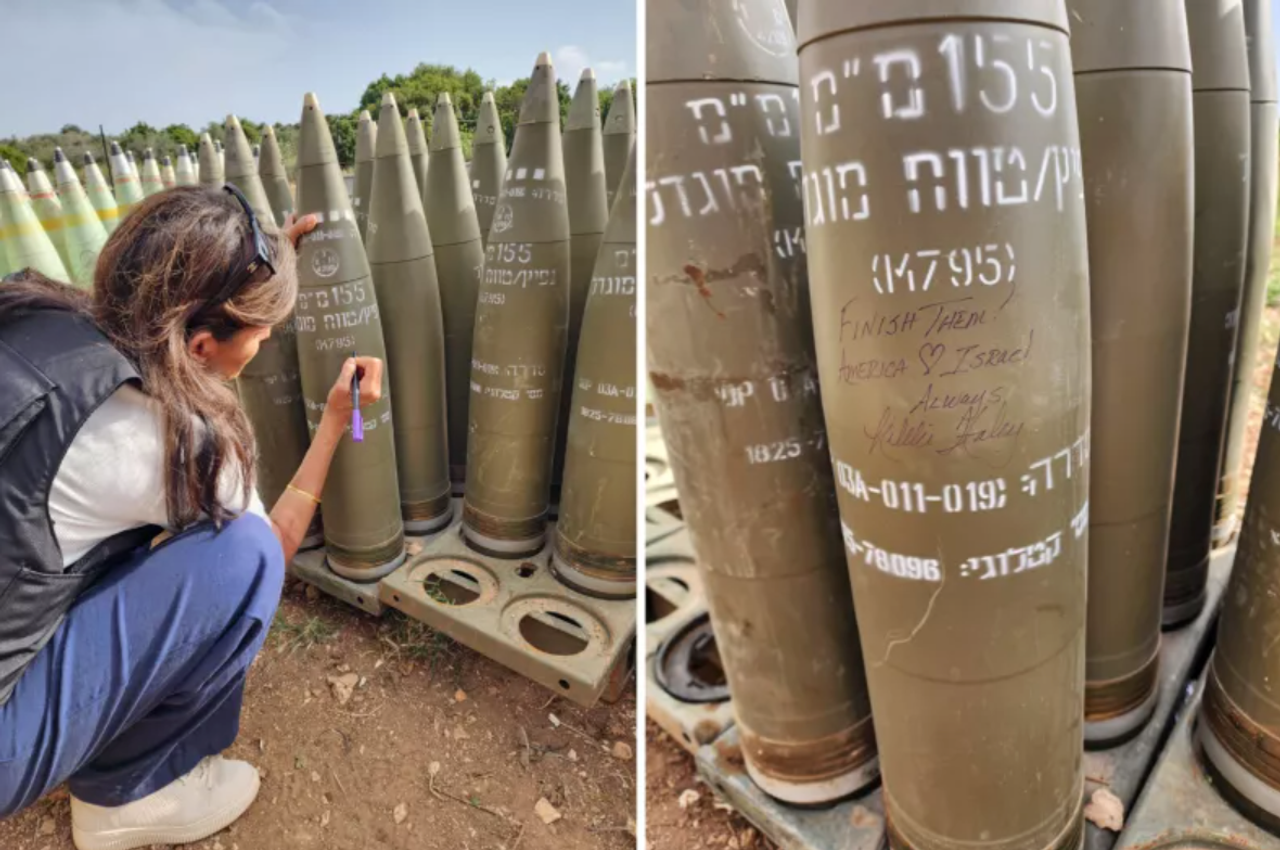
As a result of massive munitions transfers to Ukraine, the US is also running low on ground-based munitions, such as 155mm artillery shells, and guided MLRS rockets, a self-propelled artillery system designed to launch multiple rockets in rapid succession to deliver saturation fire over a wide area.
But Cancian points out that these would be “less in demand” in a Pacific fight against China – a spectre frequently raised by US military analysts – as that theatre will mostly comprise air and naval operations.
“The bottom line is that the US has enough munitions to fight this war. But several critical munitions are far below desired levels to fight a future conflict in the Western Pacific against China,” he says.
Ozan Ahmet Cetin, a non-resident research fellow at the Washington-based think tank SETA, tells TRT World that publicly available information does not allow anyone outside the government to put a “precise percentage” on how far current US inventories are below pre-2022 levels.
While 155mm artillery shells represent “the clearest case of serious US stockpile stress since 2022” due to transfers to Ukraine, the most stressed categories are no longer just tube artillery and tactical missiles once the Middle East operations are accounted for, he says.
“You also have to put missile-defence interceptors near the top of the list, especially (the) Patriot, THAAD, and the Navy’s SM family,” he says.
“Those are expensive, technically demanding munitions that have been consumed in real operations at a pace the industrial base was not built to sustain comfortably,” Cetin notes.
Air-delivered munitions and cruise missiles have faced additional pressure from support for Israel and combat use against Iran, he says.
Recent Pentagon budget requests for sharply higher Tomahawk procurement and missile interceptors underscore the strain.
“(It) is exactly what you would expect if stocks had been drawn down harder than peacetime planners would like,” he says.
Even before Iran, pre-war stockpiles were judged “insufficient” for a peer-level fight, the CSIS report says.
But the shortfall is now more acute and building stockpiles to “levels adequate for a war with China” will take additional time.








Rebuilding will take time
Both experts agree that the stockpile replenishment is underway, but the process may not be quick.
“It will take one to four years to replace what has been used in the current conflict,” Cancian says.
“It would take several years after that to get to where the planners want to be on inventories,” he adds.
Production lines for these sophisticated weapons – many of which had been “cold or thin” before 2022 – cannot be expected to churn out ammunition by simply flipping a switch.
Cetin notes that the sheer volume of transfers to Ukraine and combat use in the Middle East exposed how limited the pre-war industrial base had become in producing high-use items, such as 155mm shells.
No wonder the Pentagon has responded with urgency.
In March, it announced surge agreements to expand the output of critical components.
Defence contractor Raytheon is aiming for more than 1,000 Tomahawks per year, from 60 a year at the moment. Lockheed Martin is ramping up production to 400 PrSM annually, quadrupling from the earlier production rate, along with a similar increase for THAAD interceptors.
Congress is being asked for a massive increase in defence funding, while the Trump administration is pushing for multiyear procurement commitments to give industry confidence.
The massive surge in defence spending is because the US has drawn down “billions of dollars worth of weapons from its stockpiles” since Russia’s 2022 invasion of Ukraine and Israel’s multiple wars, which have been fully backed by the US and fought with American munitions.
Genuine shortfalls or industry alarmism?
Defence contractors and think tanks have sounded loud warnings about critically low stockpiles. Experts acknowledge a mix of reality and self-interest.
The war in Ukraine resulted in a rapid burn rate, while Pacific wargames highlighted vulnerabilities in air and missile defence and long-range strike systems, Cancian says.
However, defence contractors have been reluctant to commit to increased production unless the Department of Defence commits to many years of procurement, he adds.
Their reluctance stems from concern about building expensive new capacity only to see orders dry up once the immediate crises pass, he notes.
Cetin expresses the same thought, but warns against vested interest.
“Some of the alarm is genuine,” he says.
Yet contractor and think tank messaging can “absolutely amplify” the sense of crisis, he says.
The industry has a clear financial stake in portraying shortages as “urgent, broad, and enduring”, especially when lobbying for multiyear contracts and subsidised factory expansion.
The most credible warnings, in his view, involve munitions that were transferred or expended in large quantities, had thin pre-2022 production lines, and sit at the heart of actual war plans.
“The shortage story is neither a hoax nor a neutral diagnosis,” Cetin says.
“There are genuine shortfalls in selected high-stress categories… But self-interest does push some firms and their allies to present those shortfalls as broader, deeper, and more uniform than the public evidence supports,” he says.