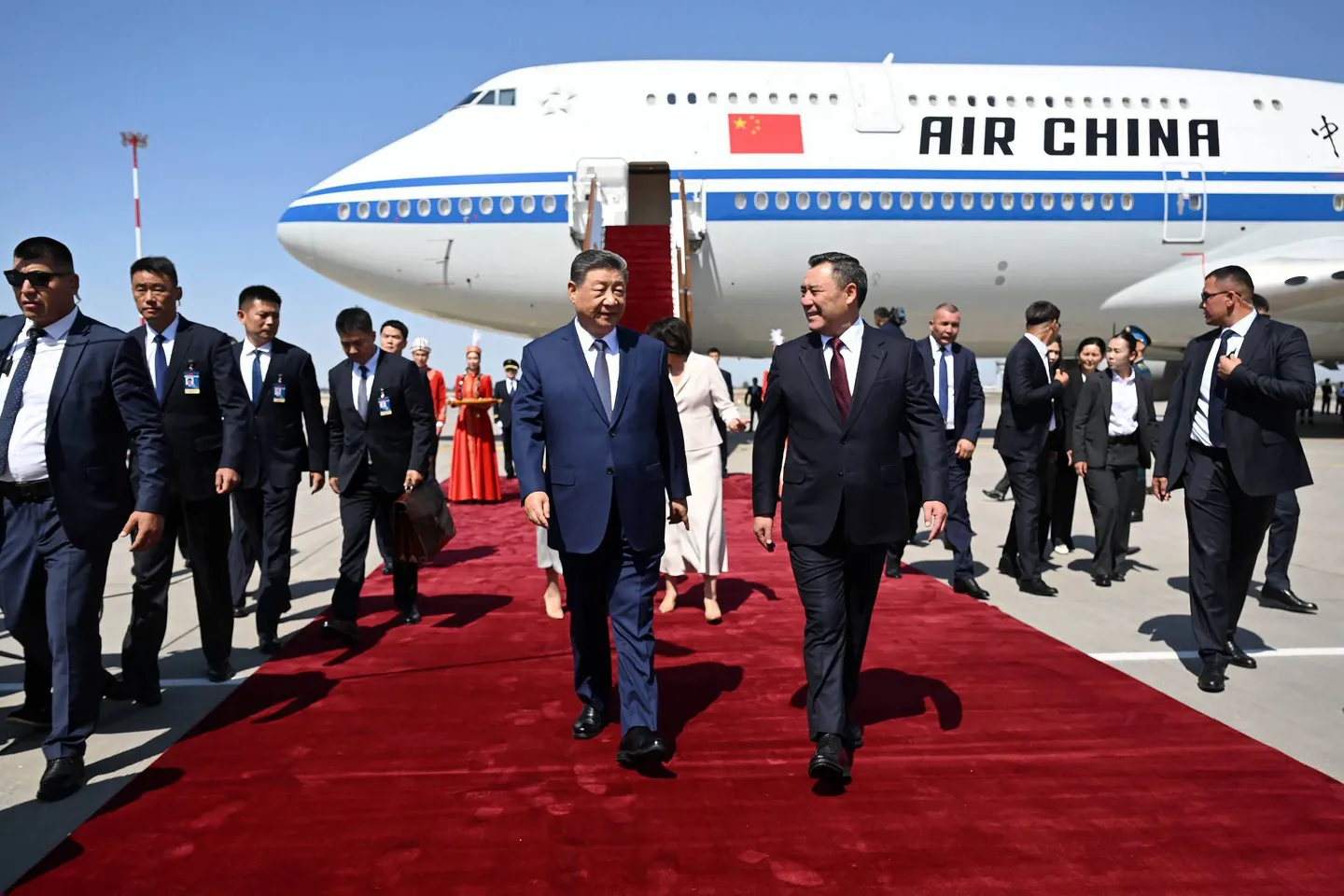
Some of Eurasia's most powerful leaders are meeting for a two-day event in the Kyrgyzstan capital Bishkek, bringing together a mix of bilateral ties, longstanding rivalries and regional conflicts.
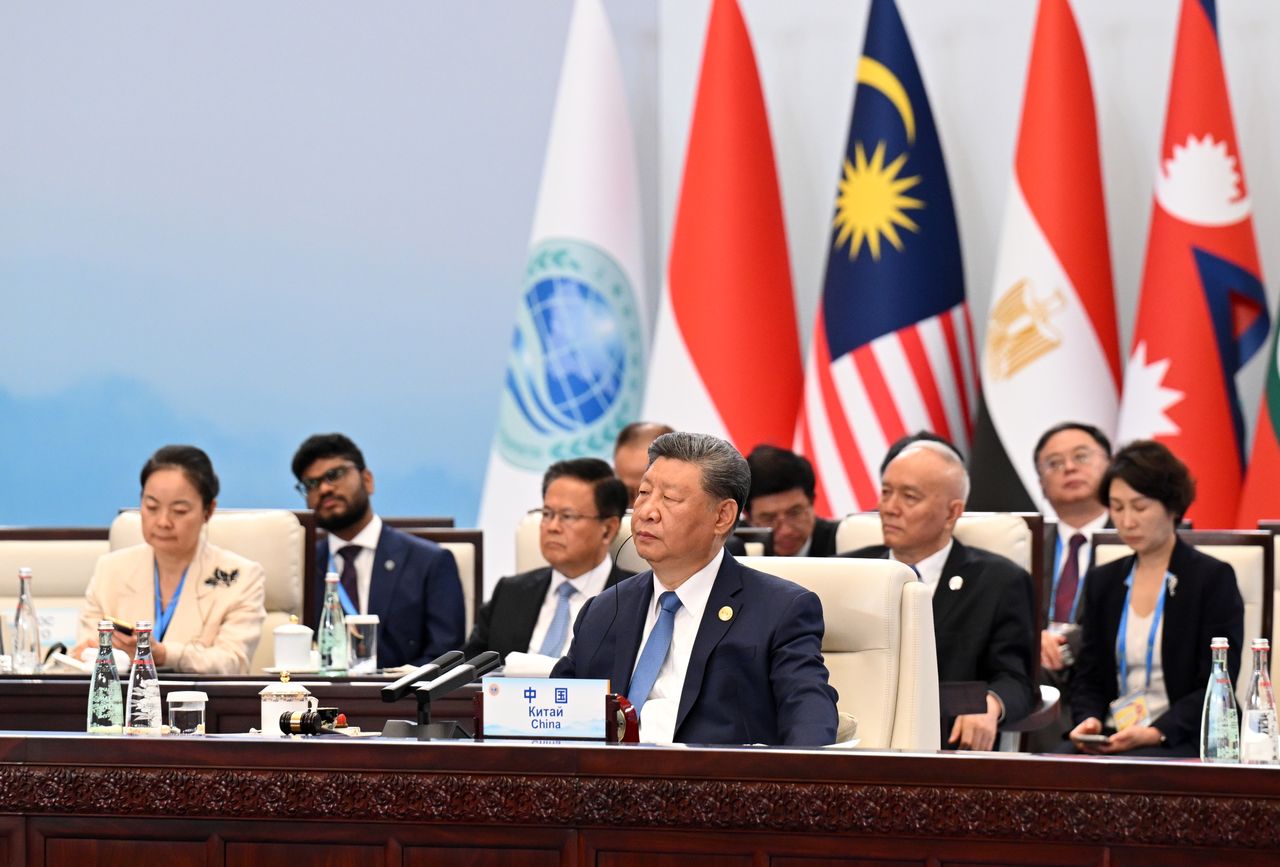
Chinese President Xi Jinping, Turkish President Recep Tayyip Erdogan, Indian Prime Minister Narendra Modi and Russian President Vladimir Putin will be among those attending the Shanghai Cooperation Organisation (SCO) Heads of State summit, which marks the group's 25th anniversary.
The gathering comes amid a tentative thaw in China-India relations following years of border tensions, as India and Pakistan navigate the aftermath of their brief conflict last year.
Iranian President Masoud Pezeshkian will also attend as Tehran faces ongoing confrontation with Washington and growing US economic pressure, while conflicts and instability stretching from the Middle East and Ukraine to Afghanistan are expected to feature in discussions.
The meeting comes as SCO members seek to capitalise on shifting global economic and geopolitical dynamics by strengthening trade, transport links and economic cooperation across Eurasia.
SCO as united front against West
The SCO has historically focused on economic issues, but Putin and Xi have also used the summit to promote their vision of a multipolar world and to present a united front against the West.
The SCO’s founding declaration says the group is “not an alliance directed against other states”.
However, at last year’s gathering, Putin accused Western countries of provoking the Ukraine war, while Xi denounced “acts of intimidation”, referring to US-Chinese tensions.
The meeting comes after US Treasury Secretary Scott Bessent said on Sunday that he would encourage G20 members to re-examine terms of trade with China, denouncing Beijing’s $1.2 trillion global trade surplus as unsustainable.
Diplomacy to watch in Bishkek
One of the most closely watched encounters will be between Xi and Modi as Asia's two most populous countries seek to build on a tentative thaw after years of tensions over their disputed Himalayan border.
Senior Chinese and Indian officials held another round of boundary talks in Beijing on August 25, agreeing to continue efforts toward a settlement and maintain stability along the frontier.
Relations deteriorated sharply after deadly border clashes in 2020, making the leaders' interactions in Bishkek an opportunity to gauge how far the recent improvement in ties has progressed.
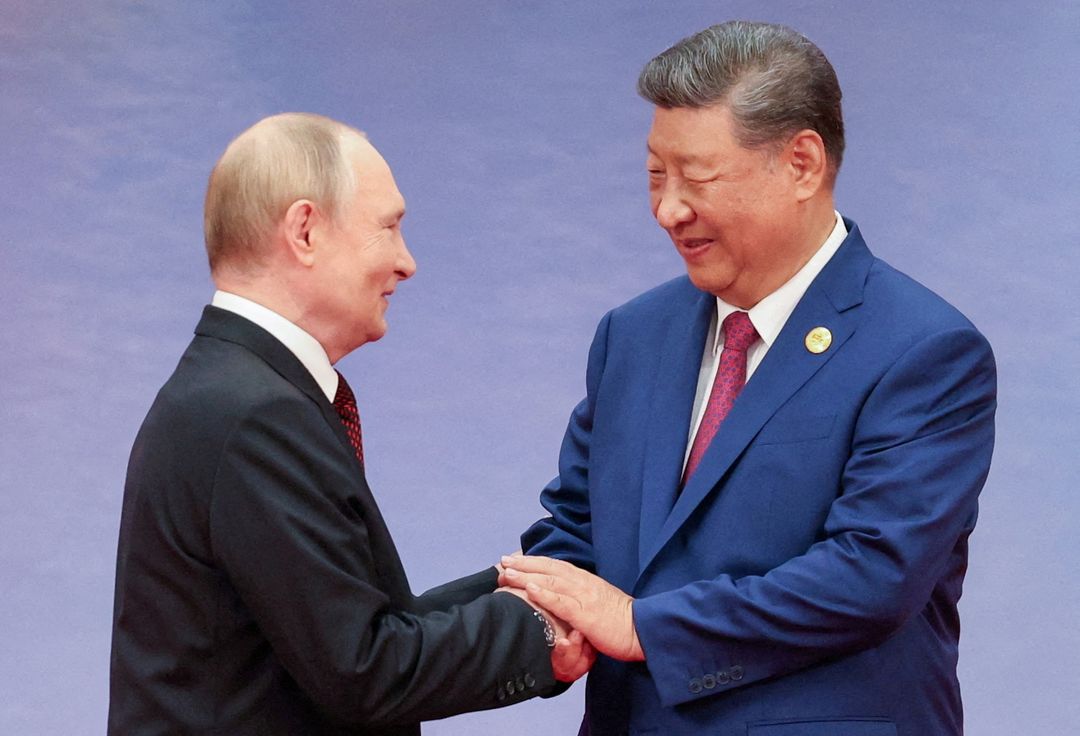
The interaction between Xi and Putin will also offer a window into the increasingly close relationship between China and Russia and how the two powers coordinate within the SCO.
The gathering will also put the leaders of India and Pakistan in the same room just more than a year after the two nuclear-armed neighbours fought a brief conflict.
Pakistani Prime Minister Shehbaz Sharif is slated to attend, bringing him together with Modi as tensions persist between the two countries, primarily over Kashmir.
Another leader to watch will be Iranian President Masoud Pezeshkian, who is scheduled to meet Putin on the sidelines of the summit, according to Iran's official IRNA news agency.
His visit comes as the US threatens increased secondary sanctions against countries and entities that continue doing business with Tehran.
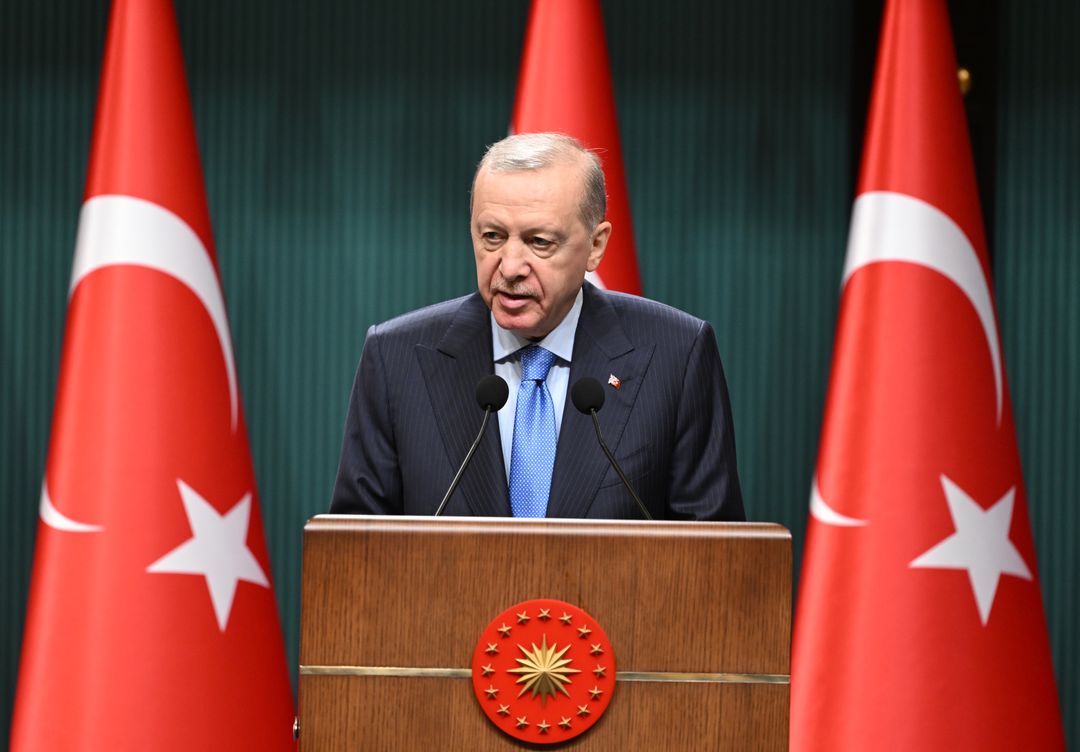
Turkish President Recep Tayyip Erdogan will address the summit session to be held in an expanded format and hold bilateral meetings with participating leaders on Tuesday.
What’s on the official agenda?
According to the SCO Secretariat, leaders are expected to discuss major regional and international security challenges, including wars in the Middle East and Ukraine, the situation in Afghanistan and India's relations with China and Pakistan.
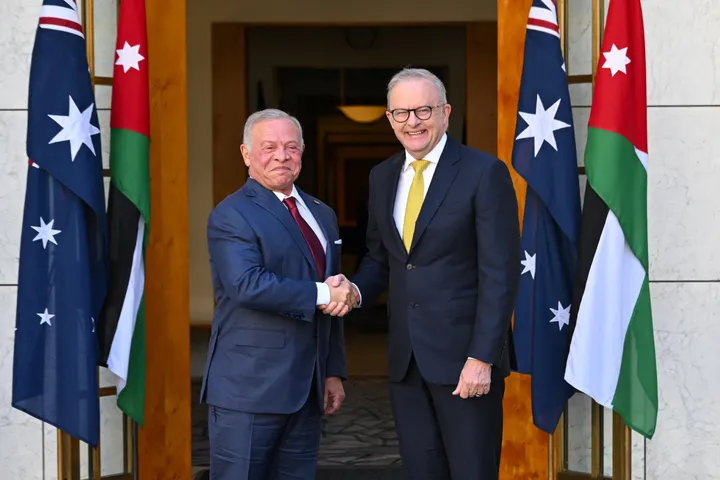
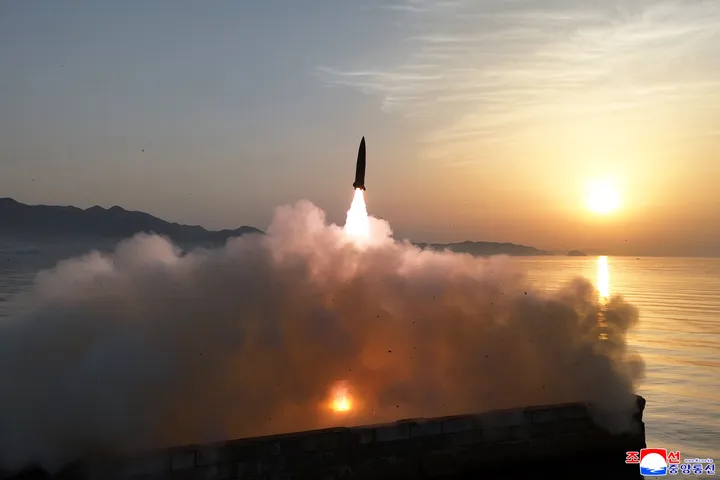

The Eurasian organisation has taken a more visible collective position in 2026 on Iran and the broader Middle East, including Israel’s war on Gaza, calling for restraint, dialogue and political and diplomatic solutions.
At a July meeting, SCO foreign ministers expressed particular concern over developments in the Middle East and around Iran, reiterating that international conflicts should be settled through political and diplomatic means in accordance with international law and the UN Charter.
Afghanistan remains a longstanding regional priority, particularly because of concerns over terrorism, drug trafficking and cross-border security.
Ukraine is also expected to feature in discussions, though there has been no indication that the war will be a separate focus of the summit.
Counterterrorism remains a core area of cooperation through the SCO's Regional Anti-Terrorist Structure, based in Tashkent. The summit is expected to approve its plans for the coming year, including possible joint exercises.
Economic connectivity will be another major focus, with transport infrastructure and a proposed SCO Development Bank among the projects under discussion.
One major transport project involving SCO members is the 7,200-kilometre International North-South Transport Corridor, which links St. Petersburg with Mumbai through Iran and ports on the Gulf. The future of this corridor amid the ongoing US-Israeli war on Iran is also likely to be discussed among the leaders in Bishkek.
The organisation also agreed in 2025 to establish a network of Silk Road Stations to support international freight traffic across Eurasia.
Members are meanwhile continuing talks on establishing an SCO Development Bank. A fourth round of consultations was held in Shenzhen in June, though its structure and operating arrangements remain under negotiation.
What is the SCO?
The SCO traces its roots to the "Shanghai Five," established in 1996 by China, Russia, Kazakhstan, Kyrgyzstan and Tajikistan to reduce military tensions and address border disputes following the breakup of the Soviet Union.
Uzbekistan joined when the SCO was formally established in 2001, and the grouping remained largely centred on China, Russia and Central Asia for much of its early history.
Its international profile grew significantly with its expansion in 2017, when India and Pakistan became full members, followed by Iran in 2023 and Belarus in 2024.
For Iran, membership marked a major diplomatic opening after years of geopolitical isolation, while Belarus's accession reflected its broader pivot toward non-Western partners.
Today, the Eurasian organisation has 10 members: Russia, China, India, Pakistan, Iran, Kazakhstan, Kyrgyzstan, Tajikistan, Uzbekistan and Belarus.
Turkmenistan is the only Central Asian country outside the SCO, reflecting its longstanding policy of permanent neutrality. Afghanistan and Mongolia have observer status, while dialogue partners include Türkiye, Azerbaijan and Saudi Arabia.
Together, SCO members have a population of around 3.4 billion, span a vast stretch of Eurasia and account for around 25 percent of global GDP.
Unlike NATO, the SCO is not a military alliance, nor is it an economic union like the EU. Instead, its consensus-based structure provides a forum for security cooperation, economic ties and diplomacy among countries that do not necessarily share the same interests.
Latest SCO Summit aims
The summit is expected to produce a Bishkek Declaration marking the SCO's 25th anniversary, alongside documents on the organisation's development and regional and international issues.
It will also mark the end of Kyrgyzstan's chairmanship and the handover to Pakistan, which is set to lead the organisation for the next year and host the 2027 leaders' summit.
The SCO lacks the binding commitments of a military alliance or economic union, but its scale has made it an increasingly significant forum for dialogue across Eurasia.
The summit underscores how an organisation founded to resolve border disputes has grown into a major multilateral grouping.
Its next challenge will be turning that scale into influence while maintaining consensus among an increasingly diverse membership.