Iran has said it is "more prepared than ever" to respond to any potential attack on the country as tensions dramatically escalate with the US following recent protests in Iran.
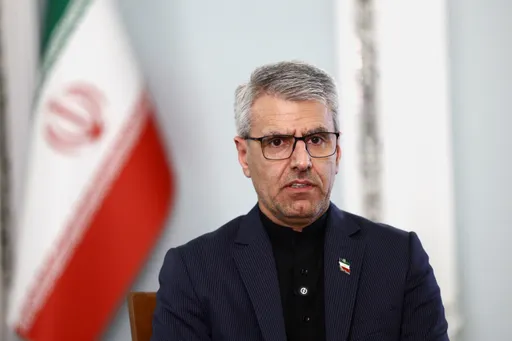
In his weekly press conference on Monday in Tehran, Iran's Foreign Ministry spokesperson Esmaeil Baghaei described the situation as a "hybrid war", referring to the 12-day war last June and the recent violent protests that Tehran has blamed on the US and Israel.
He said the threats and "baseless claims" continue from the US and Israel, citing recent statements by US President Donald Trump as well as reports of US warships heading to the Gulf, noting that regional countries understand that "instability is contagious and will not be limited to Iran alone".
Baghaei emphasised a shared concern among Iran's neighbouring countries about the consequences of any US military attack, urging them to "take a clear stance" against US threats.
"Relying on its indigenous capabilities and valuable past experiences, Iran is more prepared than ever and will respond comprehensively, decisively and regrettably to any potential aggression," the ministry spokesperson said.
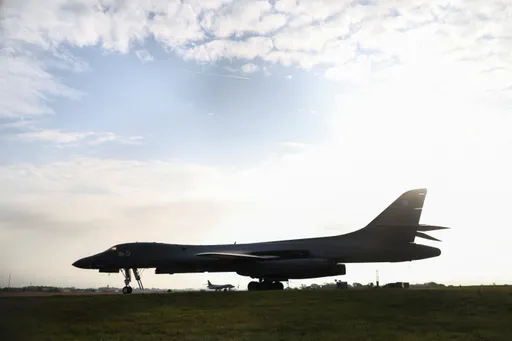
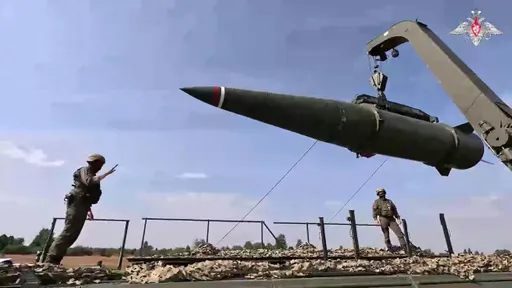
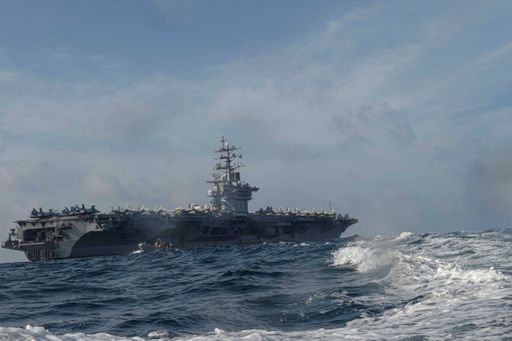
The US president announced on Saturday that an American "armada" is heading towards the Middle East and that the US is closely monitoring the situation in Iran, confirming reports that the aircraft carrier USS Abraham Lincoln and some guided-missile destroyers are set to arrive in the region in the coming days.
His remarks sparked sharp reactions from Iranian political and military leadership, who warned of a strong response in the event of any attack against the country.
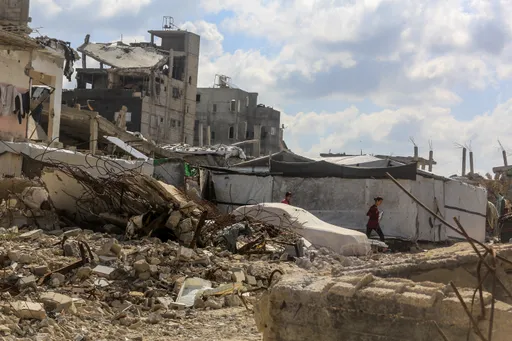
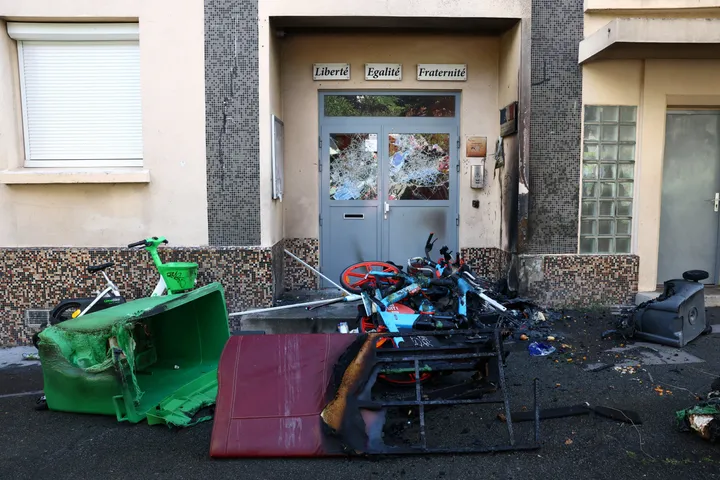
Tensions have escalated between the US and Iran following the recent protests in Iran, which turned violent and resulted in more than 3,000 fatalities, according to the Iranian government.
Message exchanges with US continue: Iranian envoy

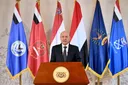

Iran's ambassador to the UN in Geneva said on Monday that exchanges of messages between Iran and the US are ongoing but cannot yet be described as real negotiations, stressing that Tehran remains open to dialogue if Washington shows genuine willingness.
"Exchange of messages has not stopped between Iran and the United States; there have been different exchanges of messages by our officials, directly or through mediators, but ... it is difficult to name it as a real negotiation, but the exchanges of views exist, and we are ready for any genuine discussion and negotiation if the other side decides to have such kind of negotiation with us," Ali Bahreini said in response to a question during his talk to a small group of media in Geneva.
He said Tehran does not seek confrontation but will not shy away from it if imposed.
The envoy said Iran had engaged in "dialogue and negotiation" with the US before the 12-day war with Israel and was "at the table of negotiations", but that Washington "destroyed" the process by encouraging and allowing Israel to attack Iran, as well as taking part in the attack.
He added: "It was not Iran who left the table."
Bahreini said that despite those developments, Iran has remained ready for "any kind of dialogue and negotiation" as long as it is based on "mutual interest", "mutual respect", and recognition of the "dignity of all parties".
He added that if negotiations are used as a tool to impose one side's will on the other, such talks "cannot be named or labelled as negotiation", adding that Iran does not accept such an approach.
According to the envoy, "the main requirement for a discussion and negotiation" is respect for the dignity and rights of all parties, including Iran's right to peaceful nuclear technology.
He stressed that the red line is any kind of aggression towards Iran and the country is ready against it.