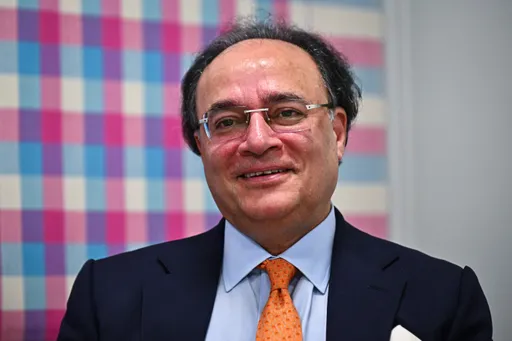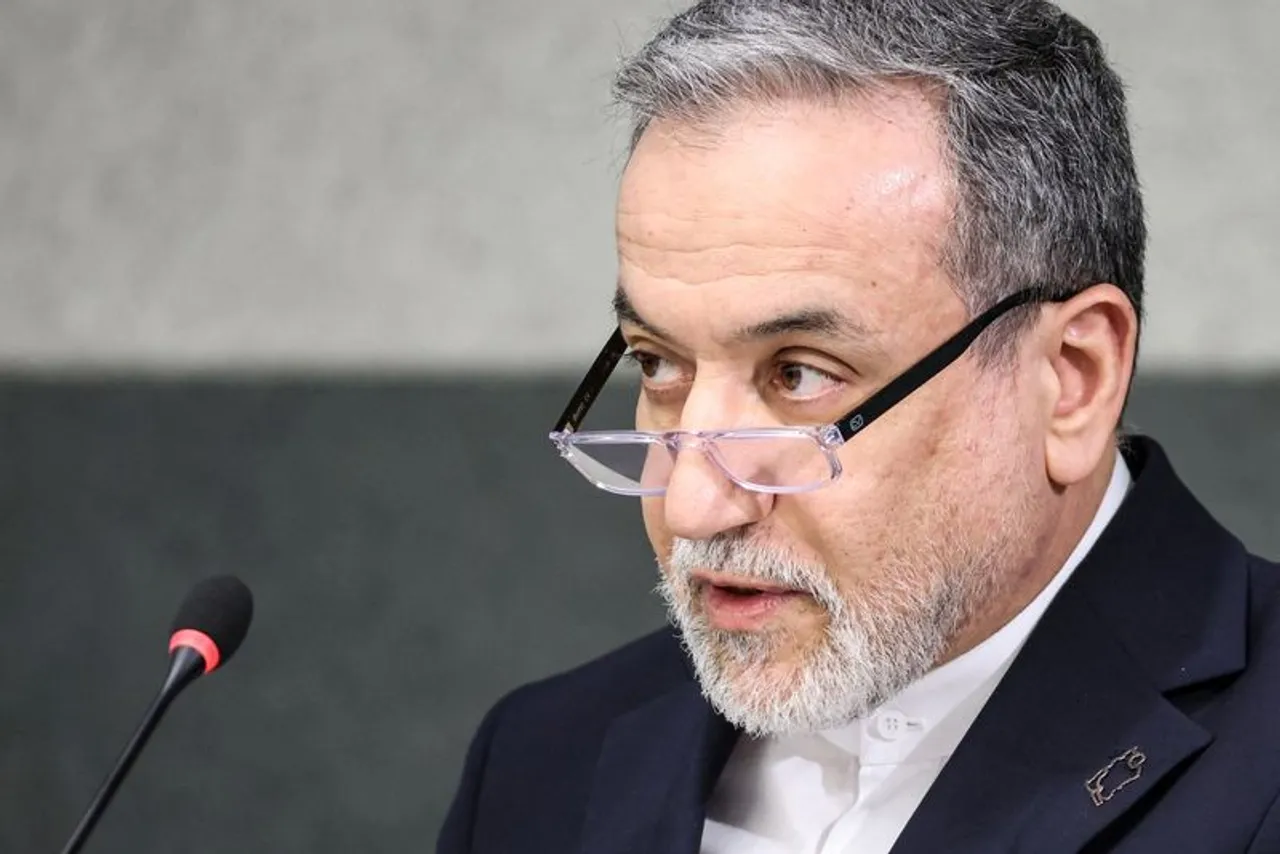
Iran’s Foreign Minister Abbas Araghchi has ruled out the possibility of negotiating with the United States again after what he described as a "very bitter experience."
Speaking in an interview with PBS News on Monday, Araghchi responded to a question about whether Iran's new supreme leader, Mojtaba Khamenei, would be open to renewed talks or a ceasefire.
He said it was "too soon for him to make any comment."
"But I don't think the question of talking with Americans or negotiation with Americans once again would be on the table because, you know, we have a very bitter experience of talking with Americans," Araghchi said.
He pointed to the 12-day war last June when Israeli and US forces targeted Iranian nuclear facilities while talks between Tehran and Washington were ongoing.
Referring to the most recent round of US-Iran nuclear negotiations in Geneva in late February, Araghchi said both sides had described the discussions as constructive under Omani mediation.
"But again, after three rounds of negotiation, and after the American team in the negotiation said itself that we made big progress, still, they decided to attack us," he said.
"So I don't think talking with Americans anymore would be on our agenda."
Regional tensions
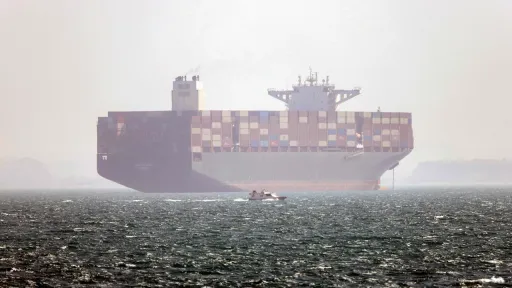
Addressing the disruption to global oil markets, Araghchi said Iran was not responsible for the slowdown in oil production and transport.



"This is not our fault. This is not our plan," he said.
He argued that the disruption was caused by attacks carried out by Israel and the United States.
According to Araghchi, those strikes have made the region increasingly unstable and insecure.
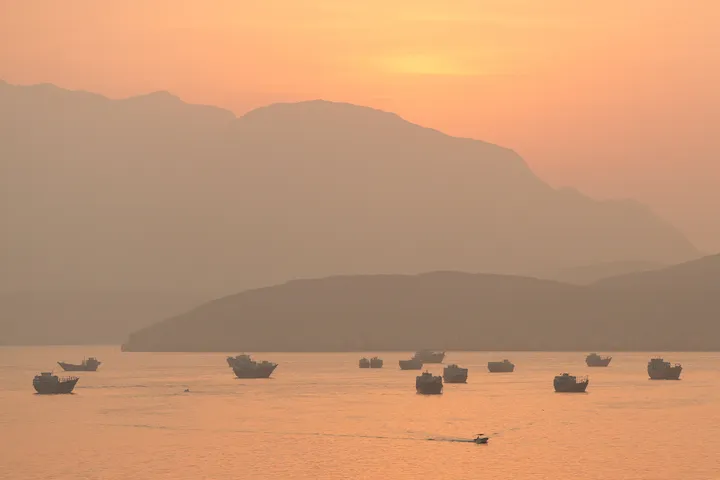
"This is why the tankers, the ships are scared to pass through the Strait of Hormuz," he said.
Araghchi also rejected accusations that Iran was deliberately restricting oil supplies through attacks on regional energy infrastructure.
"We are facing an act of aggression, which is absolutely illegal, and what we are doing is the act of self-defense, which is legal and legitimate," he said.
He added that Tehran had warned regional states that if the United States attacked Iran directly, Iran would respond by targeting US bases and installations across the region.
"And as a result, the war would be spread into the whole region," Araghchi said.
"We are not responsible for that."