The head of the United Nations High Commissioner for Human Rights has warned that escalating strikes in the Middle East are placing civilians at growing risk, cautioning that a deepening cycle of retaliation could have devastating consequences across the region.
Volker Turk said on Tuesday the intensifying confrontation between Israel, the United States and Iran has created a dangerous “tit-for-tat dynamic” that is increasingly hitting civilian areas and essential infrastructure.
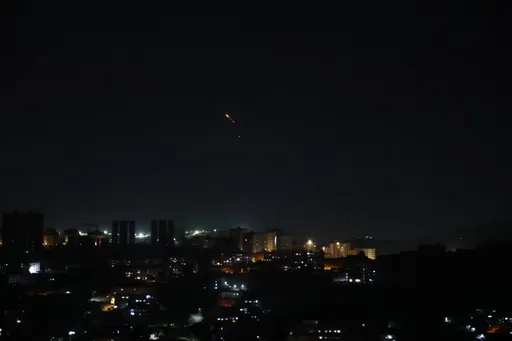
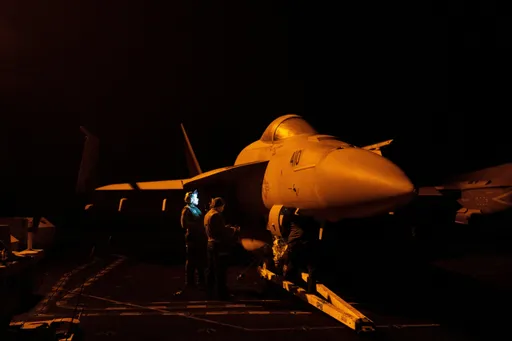
The latest hostilities erupted after US and Israeli forces began striking Iran on February 28, triggering waves of retaliatory missile and drone attacks across Gulf states.
Turk said the growing number of strikes on residential neighbourhoods, health facilities, schools, cultural sites and energy infrastructure raises serious concerns about civilian protection.
“This apparent tit-for-tat dynamic … will only increase risks for civilian populations more broadly, with potentially dire consequences across the entire region,” he said in a statement.
Strikes on critical infrastructure
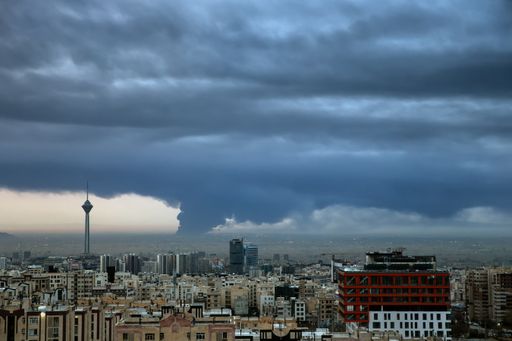
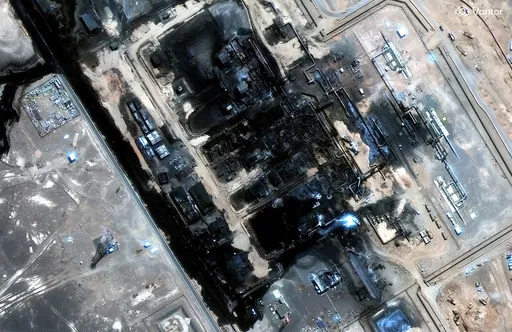
The UN rights chief pointed to recent attacks on key infrastructure inside Iran, including a water desalination plant and fuel facilities that reportedly disrupted water access for dozens of villages.
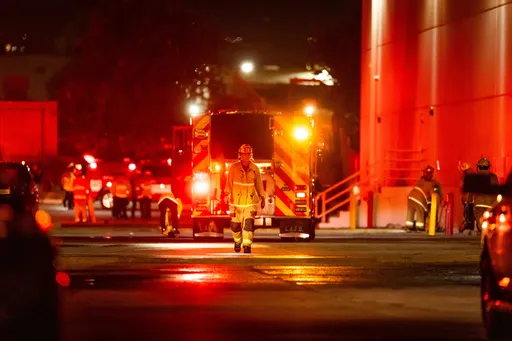
The strikes also sparked large fires and prompted warnings about “acid rain,” which experts say could lead to chemical burns and severe respiratory problems.
Turk said such attacks raise serious legal questions under international humanitarian law.
“The foreseeable impacts on civilians and the environment of these strikes raise serious questions as to compliance … with the requirements of proportionality and precaution,” he said, calling for careful legal scrutiny.
Regional fallout grows
Beyond the immediate battlefield, Turk warned that the widening conflict is disrupting global supply routes.
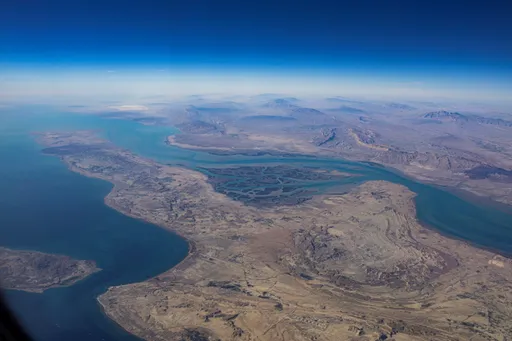
A sharp decline in shipping traffic through the strategic Strait of Hormuz is already affecting access to energy, food and fertiliser in vulnerable parts of the world.
He also expressed concern about reports that people in several countries have been detained or intimidated for expressing views about the war.
States must respect freedom of expression even during crises, he said, urging the immediate release of anyone arbitrarily detained.
“Civilians and civilian infrastructure must be protected at all costs,” Turk said, adding that all parties must be held accountable if they violate the laws of war.