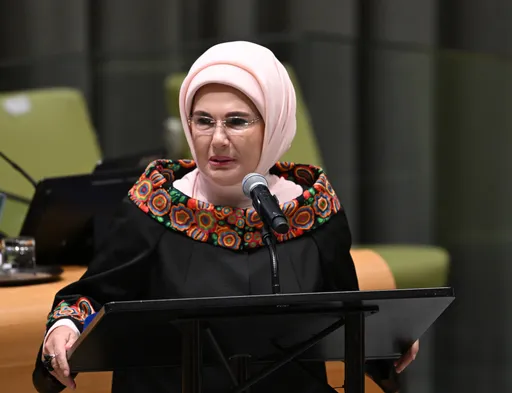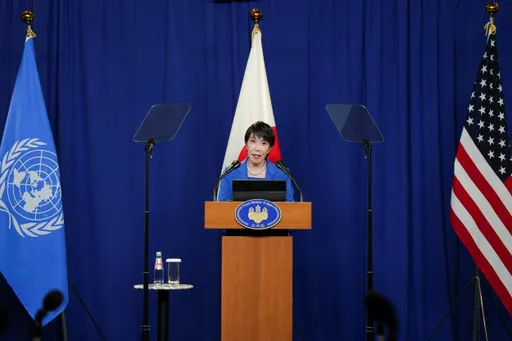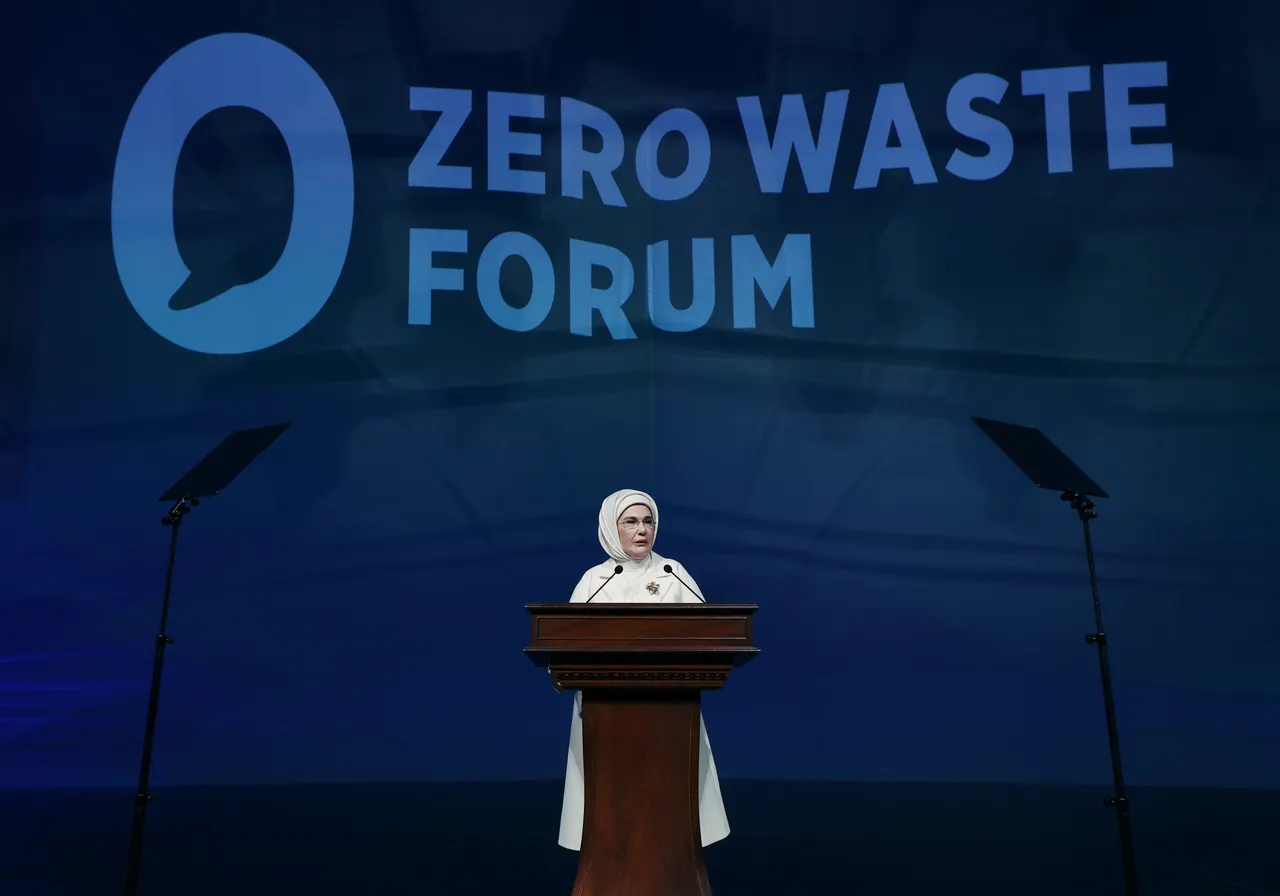
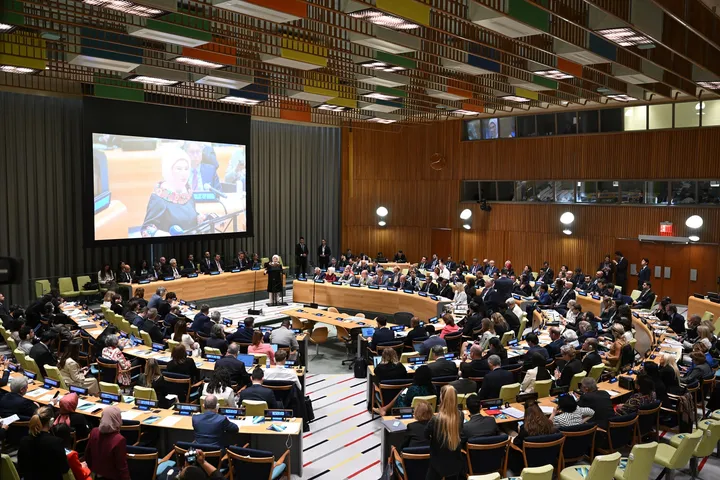
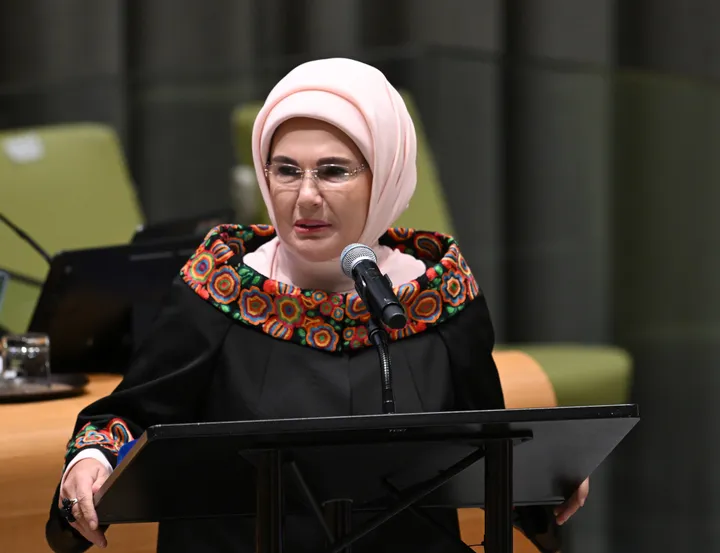
Türkiye’s First Lady Emine Erdogan has said that the Zero Waste movement should be regarded as a central pillar of climate action, as she addressed the opening programme of the International Zero Waste Forum in Istanbul.
Speaking at the second edition of the forum on Friday, Erdogan said she was pleased to meet participants from “different geographies” at what she described as one of the world’s most comprehensive international environmental gatherings.
The forum, taking place June 5–7, is led by Türkiye’s First Lady Emine Erdogan, who also chairs the UN High-Level Advisory Board on Zero Waste and serves as honorary president of the Zero Waste Foundation.
She said the event in Istanbul is hosting representatives from 183 countries, more than 500 institutions and organisations, and over 5,000 participants.
This year’s forum, held under the theme “The Road to Antalya: Zero Waste as Climate Action”, comes as part of a broader process leading towards COP31, she added.
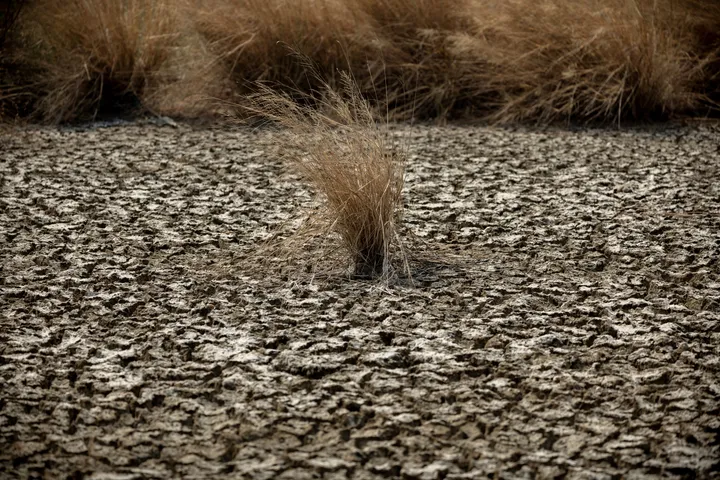
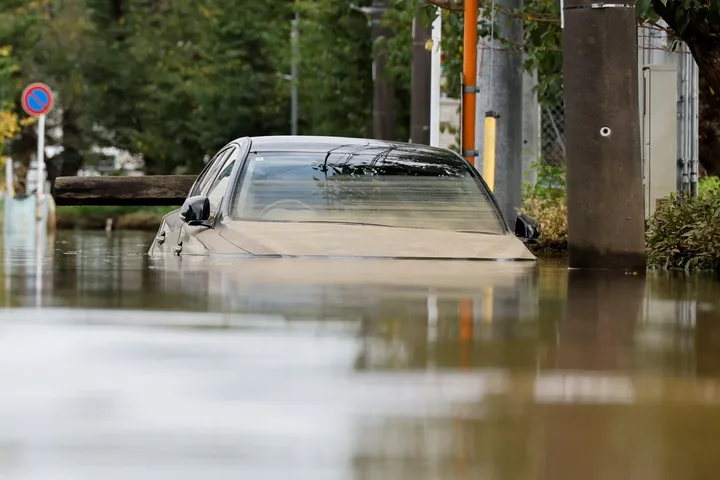
Erdogan said the climate crisis was a borderless challenge requiring collective solutions, stressing that the Zero Waste initiative should be understood as more than a waste management approach, but as an effective form of climate action.
She expressed hope that the initiative would have a transformative impact across areas ranging from resource conservation to sustainable development.
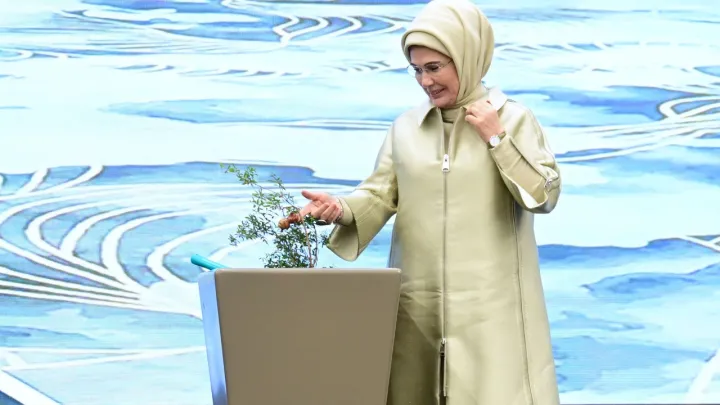
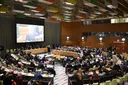
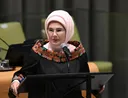


Global stakeholders gather in Istanbul ahead of COP31
Erdogan also thanked the Zero Waste Foundation, supporting ministries, the Istanbul Governor’s Office and all those involved in organising the forum, saying she hoped the “synergy” generated would contribute to new beginnings for a shared future.
The forum is supported by UN agencies including UNEP and UN-Habitat. Under the theme, Road to Antalya: Zero Waste as Climate Action, the forum aims to build global momentum ahead of COP31, which Türkiye will host in Antalya in November.
Participants include government ministers, mayors and city leaders, UN officials, NGOs, private sector representatives, investors and academics from around the world.
The programme includes discussions on circular economy and resource efficiency, food waste and methane reduction, energy and industrial transformation, sustainable cities and local action, financing and scaling zero-waste solutions, and innovation in waste management technologies.
Three high-level ministerial sessions will also be held on industry and technology, agriculture and forestry, and energy and natural resources. The event comes as global waste generation exceeds 2.1 billion tonnes annually and is projected to nearly double by 2050.
The United Nations declared March 30 as the International Day of Zero Waste in 2022, in an initiative led by Türkiye, and has also highlighted zero-waste efforts as part of achieving the 2030 Sustainable Development Goals.