Hantavirus infections have been confirmed in France and the United States among passengers repatriated from the expedition cruise ship MV Hondius, health officials said Monday, as more than 20 countries imposed quarantine measures on returning travellers linked to the outbreak.
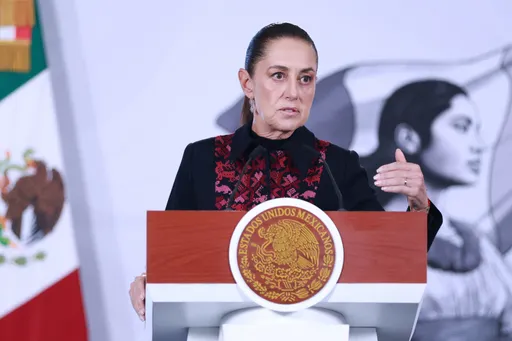
A French woman evacuated to Paris on Sunday tested positive for the Andes strain of hantavirus after developing symptoms during a repatriation flight from Tenerife, Spain, French Health Minister Stéphanie Rist said. She was among five French passengers flown home from the island, where the ship docked after weeks at sea.
US health officials separately confirmed that one of 17 Americans flown to the University of Nebraska Medical Center in Omaha had tested positive but remained asymptomatic.
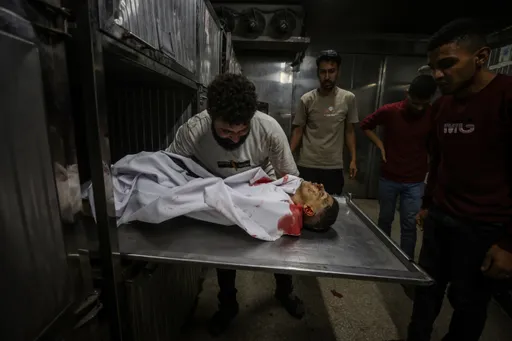
The outbreak has so far resulted in eight reported cases, including three deaths, according to the World Health Organization (WHO). The victims were a Dutch husband and wife and a German woman.
WHO said the virus involved was the Andes strain of hantavirus, the only known hantavirus capable of spreading between humans, typically through prolonged close contact with an infected person.
The MV Hondius, a Dutch-flagged expedition vessel carrying 147 passengers and crew from 23 countries, departed Ushuaia, Argentina, on April 1 for a South Atlantic itinerary that included Antarctica, South Georgia Island, Tristan da Cunha, Saint Helena and Ascension Island.
WHO said two passengers who later died had traveled through Argentina, Chile and Uruguay before boarding, and investigators are still working to determine where exposure occurred.
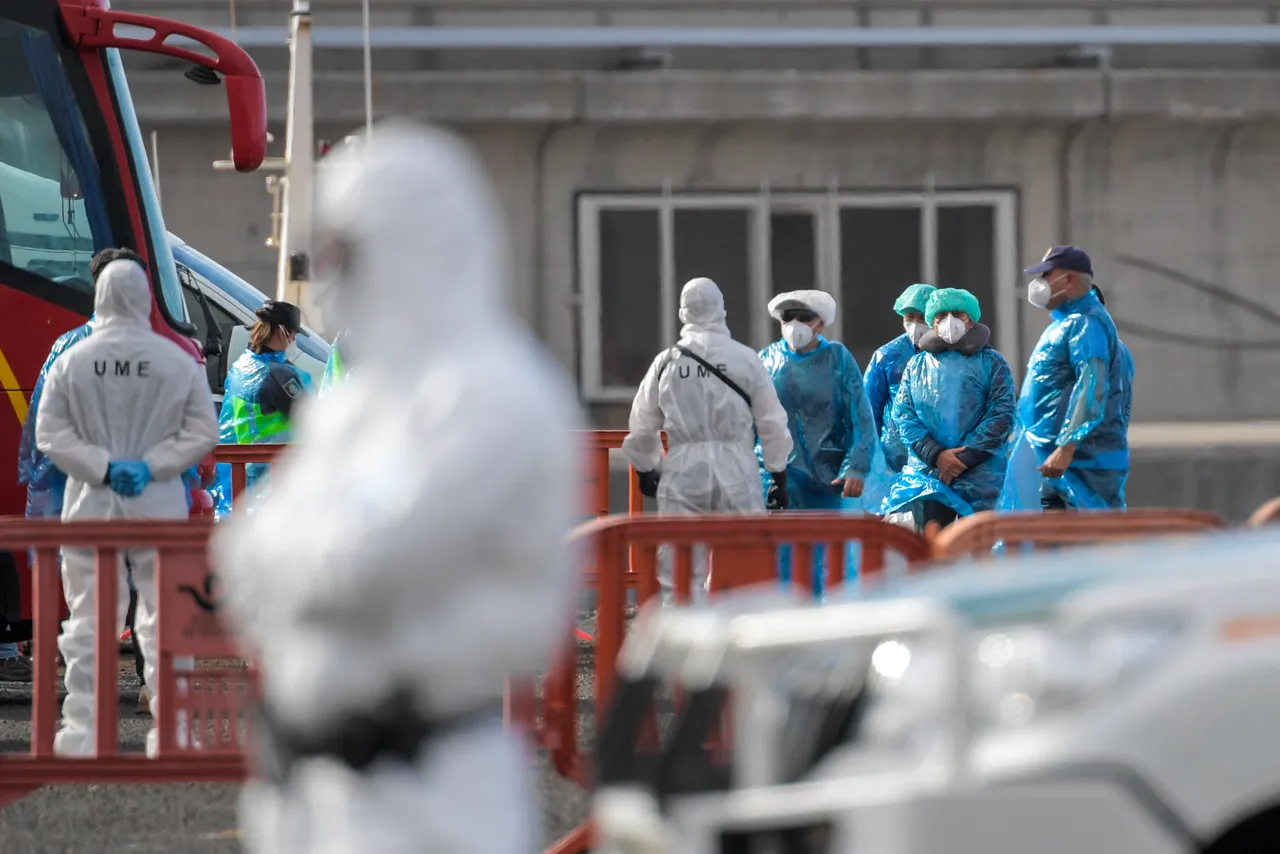
Passengers wearing protective medical equipment disembarked in Tenerife before boarding government-organised charter flights home.
Quarantine measures vary
Governments have adopted sharply different approaches for returning passengers, ranging from monitored home isolation to mandatory confinement in specialised medical facilities.
WHO has recommended a 42-day monitoring period with active symptom surveillance, though the agency said quarantine could take place either at dedicated facilities or through monitored home isolation.
Australia announced that six people from the ship, four Australian citizens, one permanent resident and one New Zealander, would be held at a quarantine facility north of Perth for at least three weeks. Health Minister Mark Butler said authorities opted for facility-based quarantine because of the long repatriation flight from Tenerife.
In the United States, federal health officials said passengers arriving in Nebraska would initially undergo medical assessment before state-level monitoring decisions are made. Several Americans had already returned to the country before the outbreak was identified after disembarking earlier at Saint Helena, prompting monitoring efforts in states including Arizona, Virginia, California and Georgia.
Britain said returning passengers would initially undergo medical tests at Arrowe Park Hospital near Liverpool, while Greece and Spain announced mandatory hospital quarantine measures for returning citizens.
France placed all five of its evacuees into strict isolation upon arrival.
The Philippines said 38 Filipino crew members would quarantine in Rotterdam before returning home, while India said two evacuated crew members remained asymptomatic in the Netherlands.
WHO says public risk remains low







WHO said it was coordinating with health authorities across affected countries through the International Health Regulations framework to support contact tracing and monitoring efforts.
The agency currently assesses the global public health risk as low.
WHO, the US Centers for Disease Control and Prevention and the European Centre for Disease Prevention and Control have all said there is no licensed antiviral treatment for hantavirus infections, with supportive hospital care remaining the primary treatment option.
WHO also said the ship would require rodent inspection, disinfection and pest-control measures before returning to service.
“This is not another COVID-19, and the risk to the public is low,” WHO Director-General Tedros Adhanom Ghebreyesus said.
What are experts saying
Scientists monitoring the outbreak cautioned against comparisons with the early stages of the COVID-19 pandemic, while noting that hantaviruses remain relatively understudied.
Michael Osterholm, director of the University of Minnesota’s Center for Infectious Disease Research and Policy, said the outbreak did not appear to pose pandemic-level risk because transmission remained limited.
“It’s not the next pandemic,” Osterholm told STAT News.
Harvard epidemiologist Bill Hanage said the virus lacked one of the key characteristics associated with widespread outbreaks: efficient transmission before symptoms appear.
“It’s the ability to transmit between humans” that determines pandemic potential, Hanage said.
Dr. Celine Gounder, an infectious disease specialist and CBS News medical contributor, said investigators were still examining whether passengers may have been exposed through environmental contact with rodents during shore excursions rather than sustained onboard transmission.
Luis Escobar, a disease ecologist at Virginia Tech, said the outbreak highlighted broader gaps in zoonotic disease surveillance and research.
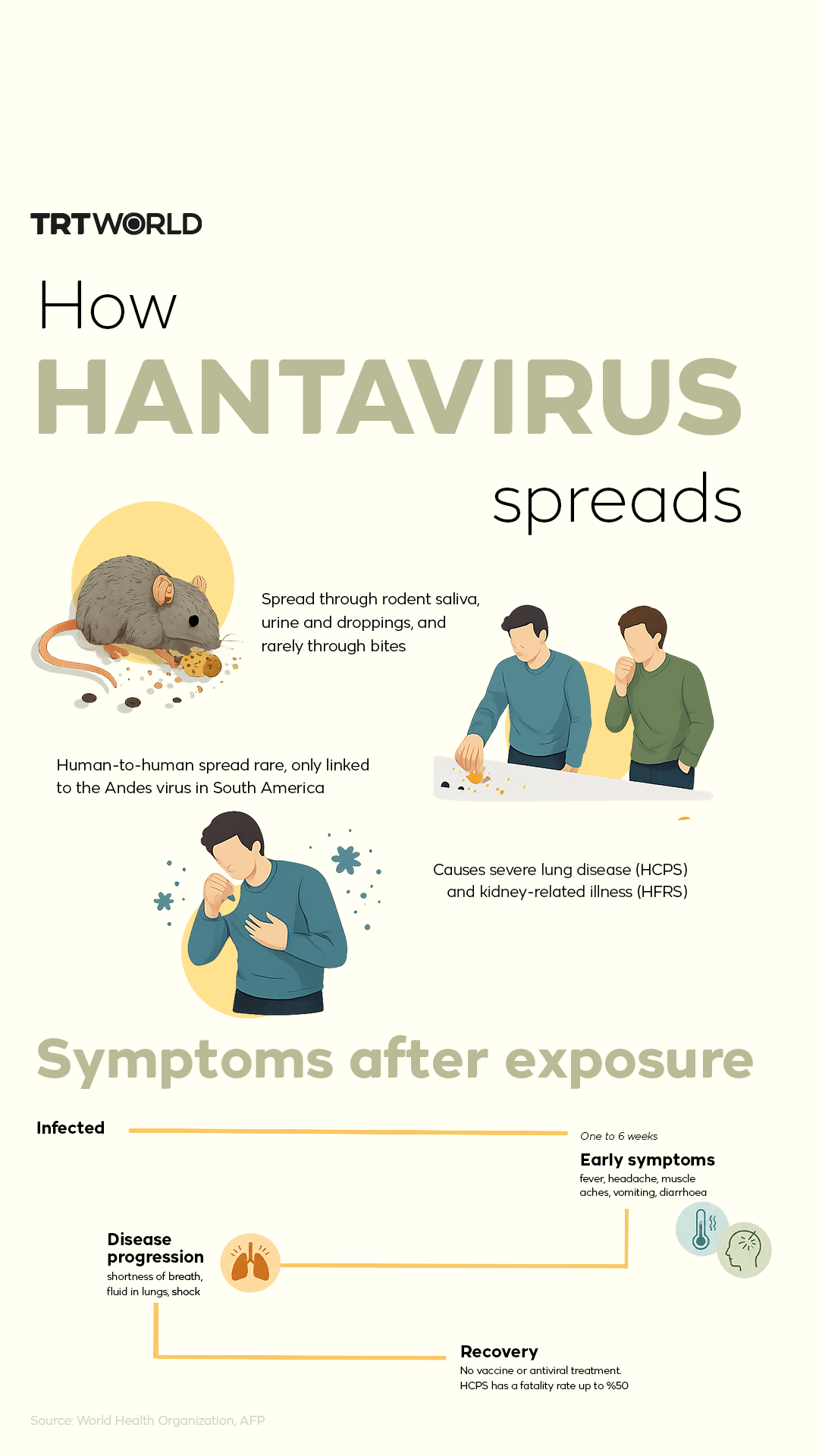
Hantaviruses are primarily spread through contact with infected rodent urine, droppings or saliva. Human outbreaks are rare, but the Andes strain identified in the MV Hondius outbreak has a high fatality rate in severe cases.
There is no approved vaccine or antiviral treatment. Health authorities are now focused on monitoring returning passengers during the virus’s incubation period as travellers disperse across multiple countries.