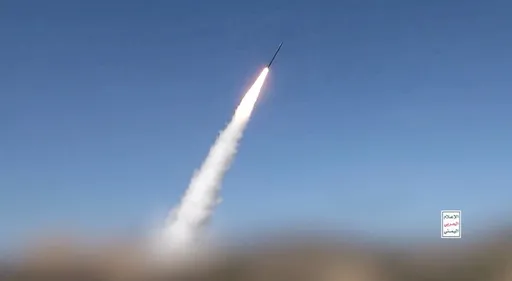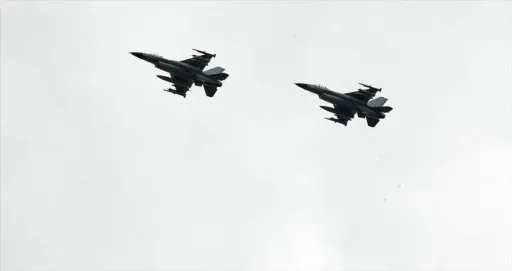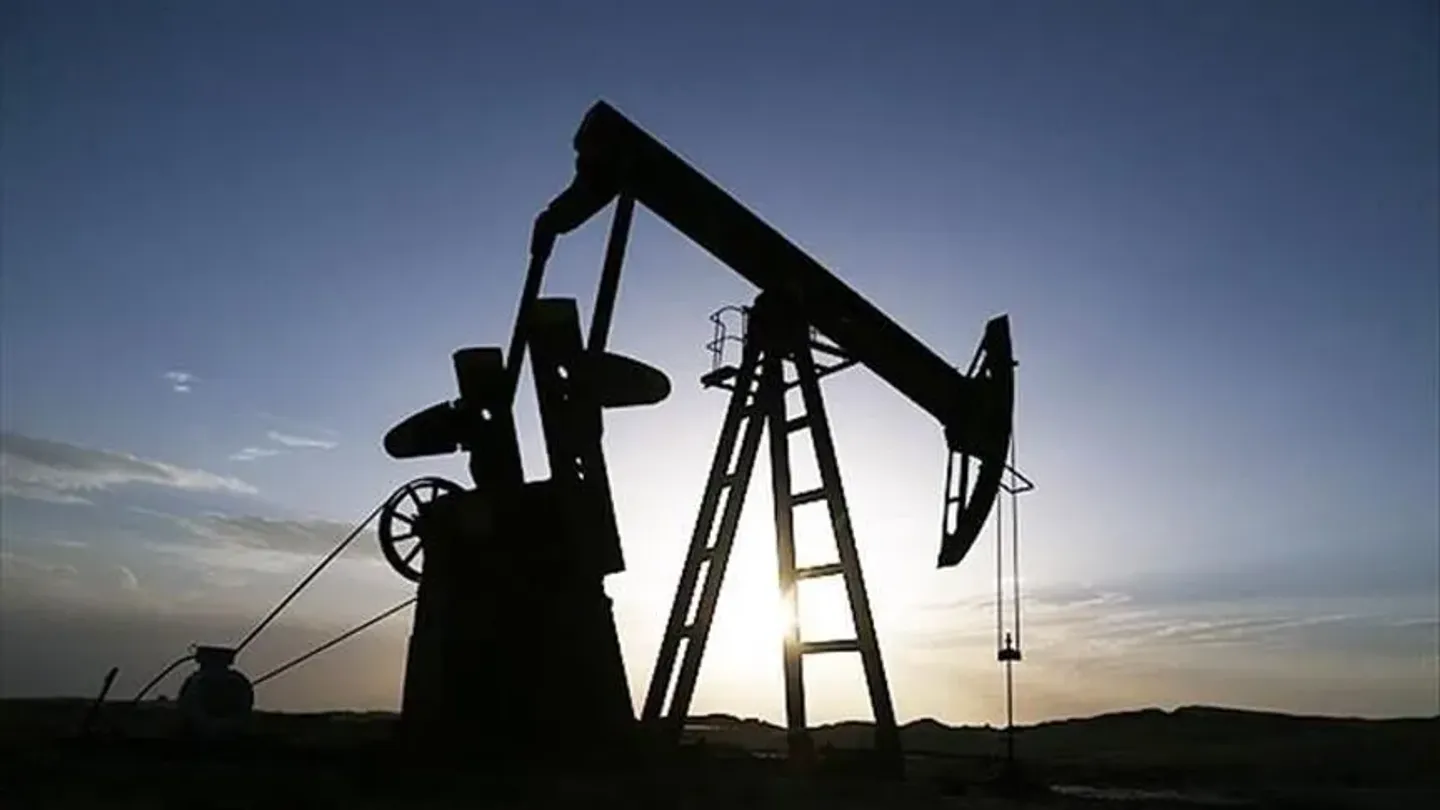
Oil prices have climbed to fresh six-week highs after new US strikes on Iran and renewed Israeli threats against Tehran heightened fears of disruptions to Middle East energy supplies.
Brent crude futures rose $1.66, or 1.7 percent, to $97.29 a barrel by 1200 GMT on Thursday, while US West Texas Intermediate crude gained $2.03, or 2.2 percent, to $93.04. Both benchmarks were on track for a fourth straight day of gains after reaching six-week highs earlier in the session.
Hormuz traffic falls as tensions rise
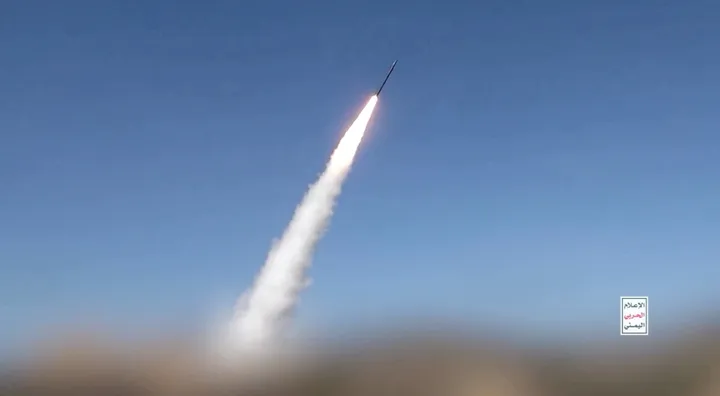
The latest US strikes killed 18 people and wounded 108 across Iran, according to Iran’s health minister. The Iranian Red Crescent said four people were killed and 67 wounded at a wedding ceremony near the Strait of Hormuz.
Three Iranian army pilots were also killed in the attacks, Iran’s semi-official Tasnim news agency reported.
The strikes marked the most substantial exchange of fire between Washington and Tehran since July, with the conflict now in its seventh month.
Israeli Defence Minister Israel Katz renewed warnings that Israel would “cripple” Iran’s military and civilian infrastructure, including energy facilities, if Tehran launched attacks against Israel.
Saxo Bank analyst Ole Hansen said Katz’s comments contributed to the latest rise in oil prices.




Shipping data showed six commodity vessels transited the Strait of Hormuz on Wednesday, down from 11 the previous day and well below the 10-day average of about 13.
Tight market adds to price pressure
UBS energy analyst Giovanni Staunovo said the oil market remained tight, with global inventories continuing to decline and Middle East tensions providing additional support to prices.
Iran has also added more vessels to a list of ships it considers non-compliant and subject to fines, confiscation or detention if they attempt to transit the strait.
Meanwhile, Iraq boosted oil exports to about 2.34 million barrels per day in August from roughly 1.35 million bpd in July, according to two Iraqi energy officials.
September exports are also expected to rise as heavy discounts and Iranian approvals for Iraqi tankers to pass through Hormuz encourage buyers.
In broader financial markets, traders have increased their bets that the Federal Reserve will raise interest rates this month.