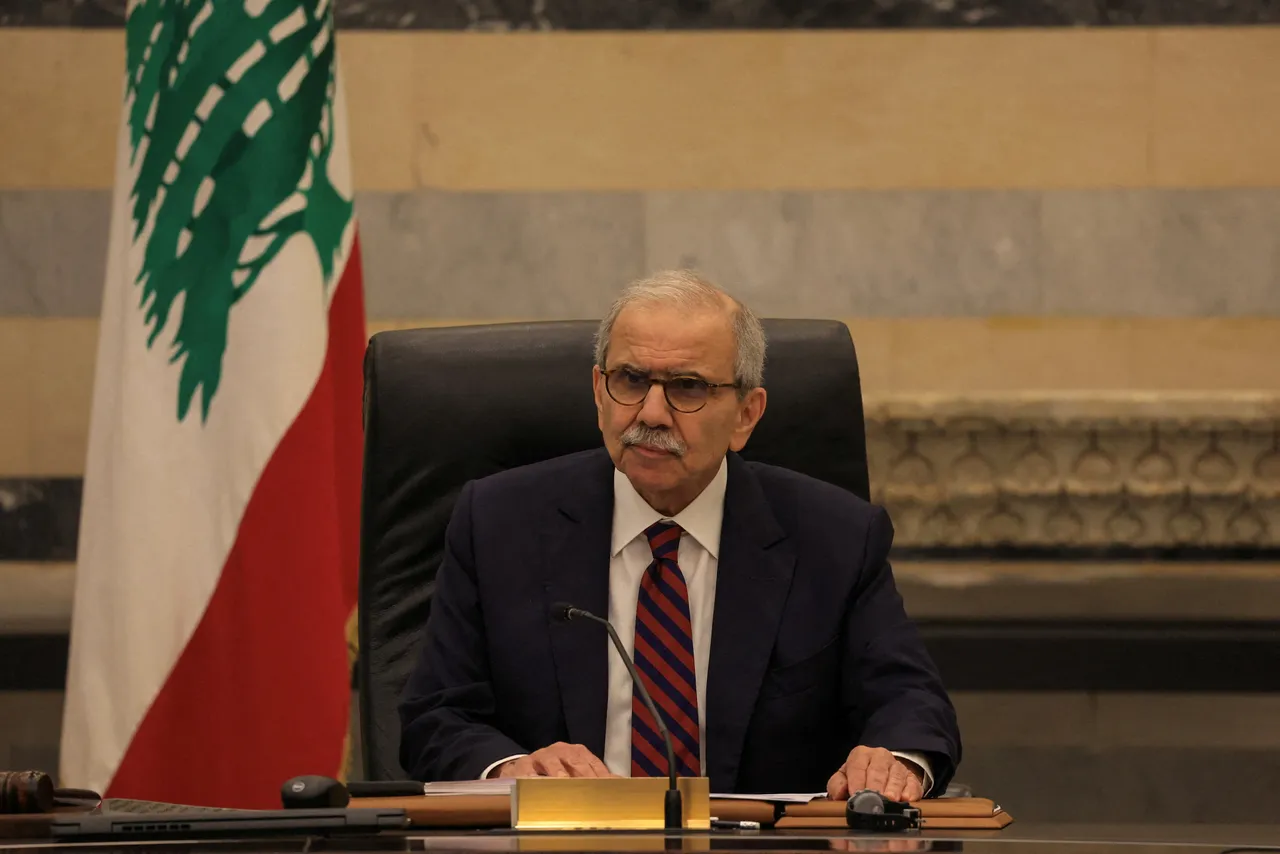
Lebanese Prime Minister Nawaf Salam vowed on Friday to reclaim “every inch” of occupied territory and push forward economic recovery efforts, in a message marking Labour Day.
In a statement posted on X by the prime minister’s office, Salam addressed workers across Lebanon, acknowledging the hardships many face amid a prolonged economic crisis.
“I understand the extent of the suffering many of you are experiencing, from job losses and declining purchasing power to daily pressures weighing heavily on you,” he said.
Salam pledged that the government would continue working to improve living conditions, restore occupied land, and press ahead with reforms.
“We will continue serious work to improve your living conditions, restore every inch of our occupied land, and advance reform efforts and economic recovery,” he said.
Since 2019, Lebanon has been experiencing a financial collapse described by the World Bank as one of the worst in modern history. The Lebanese pound has lost more than 98 percent of its value, weakening from about 1,500 to around 90,000 to the dollar.
Salam added that the government aims to create new job opportunities, restore stability, and place the country on a path towards “real recovery.”






Lebanon’s economic crisis has deepened recently, compounded by ongoing Israeli attacks and displacement. A Wednesday update from the Food and Agriculture Organisation and the World Food Programme found that about 1.24 million people — nearly one in four — are expected to face acute food insecurity at crisis levels between April and August 2026.
The report said escalating violence and displacement since early March have driven the deterioration in food security conditions.
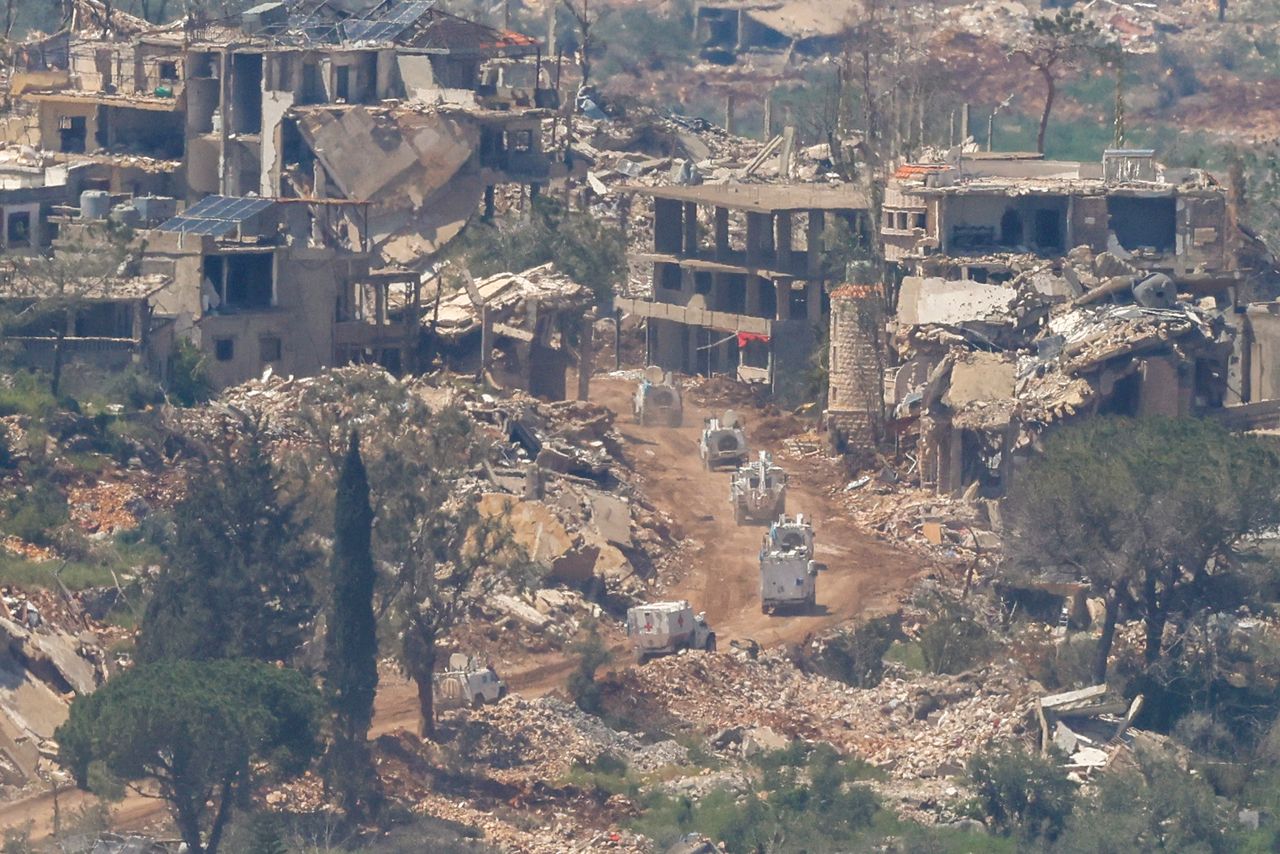
Israel has waged an offensive in Lebanon since March 2, killing nearly 2,600 people and displacing more than 1 million.
A 10-day ceasefire that began on April 17 was later extended until May 17, but Israel continues to violate it daily through air strikes and the demolition of homes in southern Lebanon.
In April, the Israeli army announced the imposition of the so-called “Yellow Line” south of the Litani River, a notional boundary designating the area stretching to the border as a “security buffer zone,” in a step reminiscent of the Gaza model.
Israel says the zone is intended to prevent displaced residents from returning and to target any armed activity, classifying it as a “combat zone” not subject to ceasefire understandings.