QatarEnergy has said it has declared “force majeure” on some liquefied natural gas (LNG) supply contracts with four countries following Iranian missile attacks that damaged key facilities.
The measure on Tuesday applies to contracts with China, Italy, Belgium and South Korea, it said in a statement cited by Qatari media, including Al Jazeera and Al Sharq.
“Force majeure” is a legal clause in contracts, particularly long-term oil and gas supply agreements, that allows suppliers to suspend obligations such as delivery schedules without penalties due to events beyond their control, such as attacks on key infrastructure.
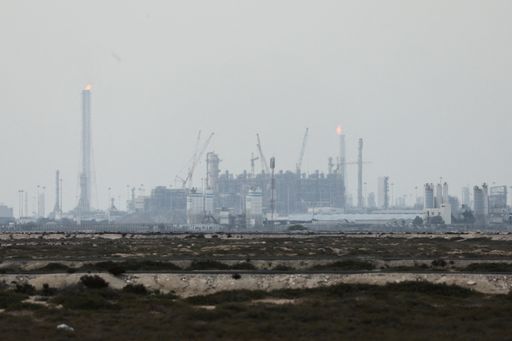
Missile strikes targeted its Ras Laffan industrial complex on March 18 and 19, causing significant damage, including to two LNG processing units and a gas-to-liquids facility, it said.
QatarEnergy added that it is continuing to assess the full effect of the attacks on operations and the timeline for repairs.
On March 19, Energy Minister and QatarEnergy CEO Saad al-Kaabi said the attacks reduced Qatar’s LNG export capacity by 17 percent, and caused an estimated $20 billion in annual revenue losses, according to a statement by the company.
He added that repairs could take up to five years, forcing the company to declare “a prolonged force majeure".
The strikes damaged two production lines, trains 4 and 6, with a combined capacity of 12.8 million tonnes per year, accounting for 17 percent of Qatar’s LNG exports, he added.
On March 4, QatarEnergy notified customers of “force majeure” after production was disrupted due to the war.
The US and Israel have maintained air strikes on Iran since February 28, killing so far more than 1,340 people, including then-Supreme Leader Ali Khamenei.
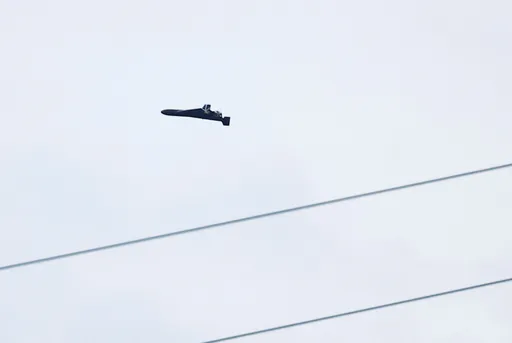
Tehran has retaliated with drone and missile strikes targeting Israel, along with Jordan, Iraq and Gulf countries hosting US military assets, causing casualties and damage to infrastructure while disrupting global markets and aviation.