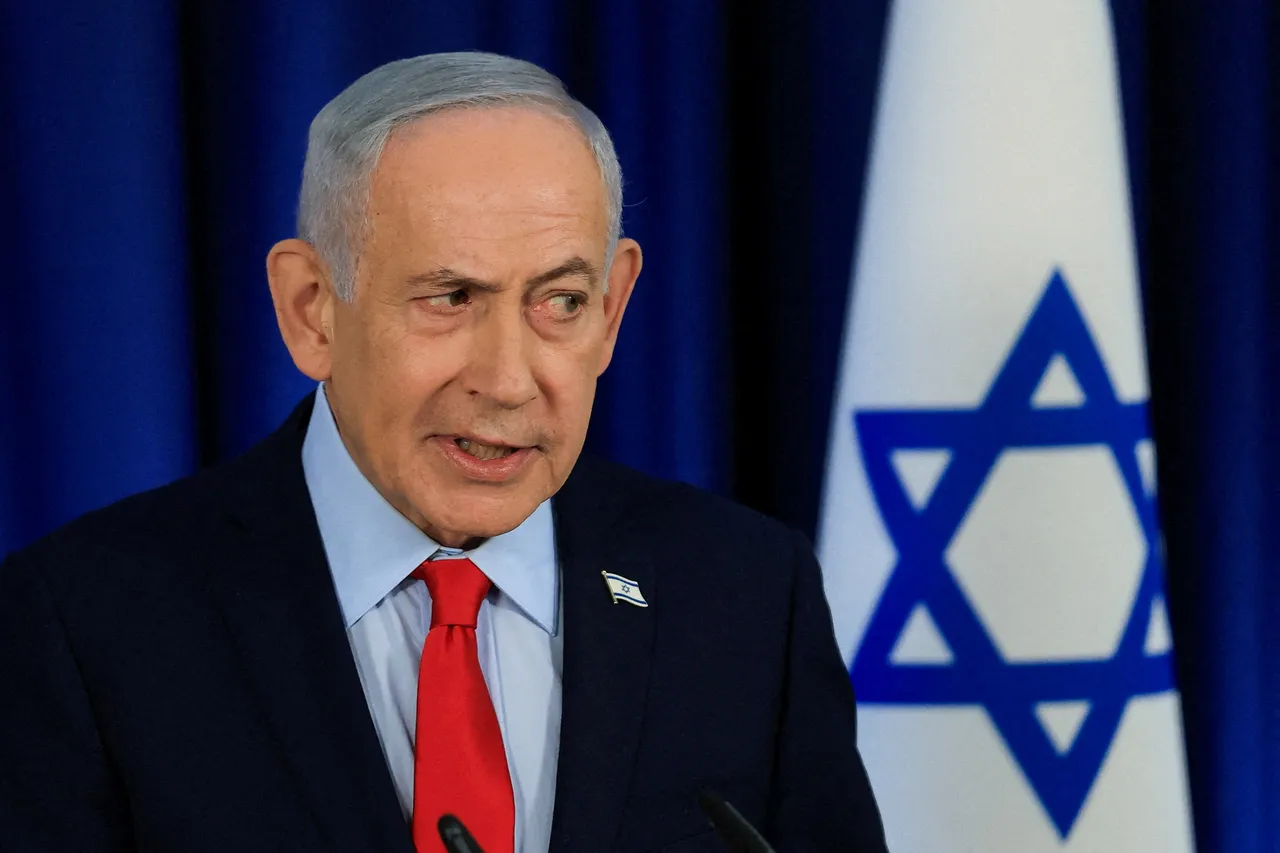
Prime Minister Benjamin Netanyahu will seek re-election in Israel's upcoming national vote, his Likud party announced on Wednesday, after US President Donald Trump publicly questioned whether the 76-year-old would run.
Netanyahu, who is Israel's longest-serving prime minister, has presided over three years of war on different fronts and is currently on trial for corruption.
"Prime Minister Netanyahu will run in the next elections and, God Willing, he will win," the party said on Telegram.
The declaration came after Trump told ABC News he was uncertain about Netanyahu's intentions.
"I don't know, he's had an amazing career. Does he want to continue?," Trump said. "Because, you know, he's a wartime prime minister."
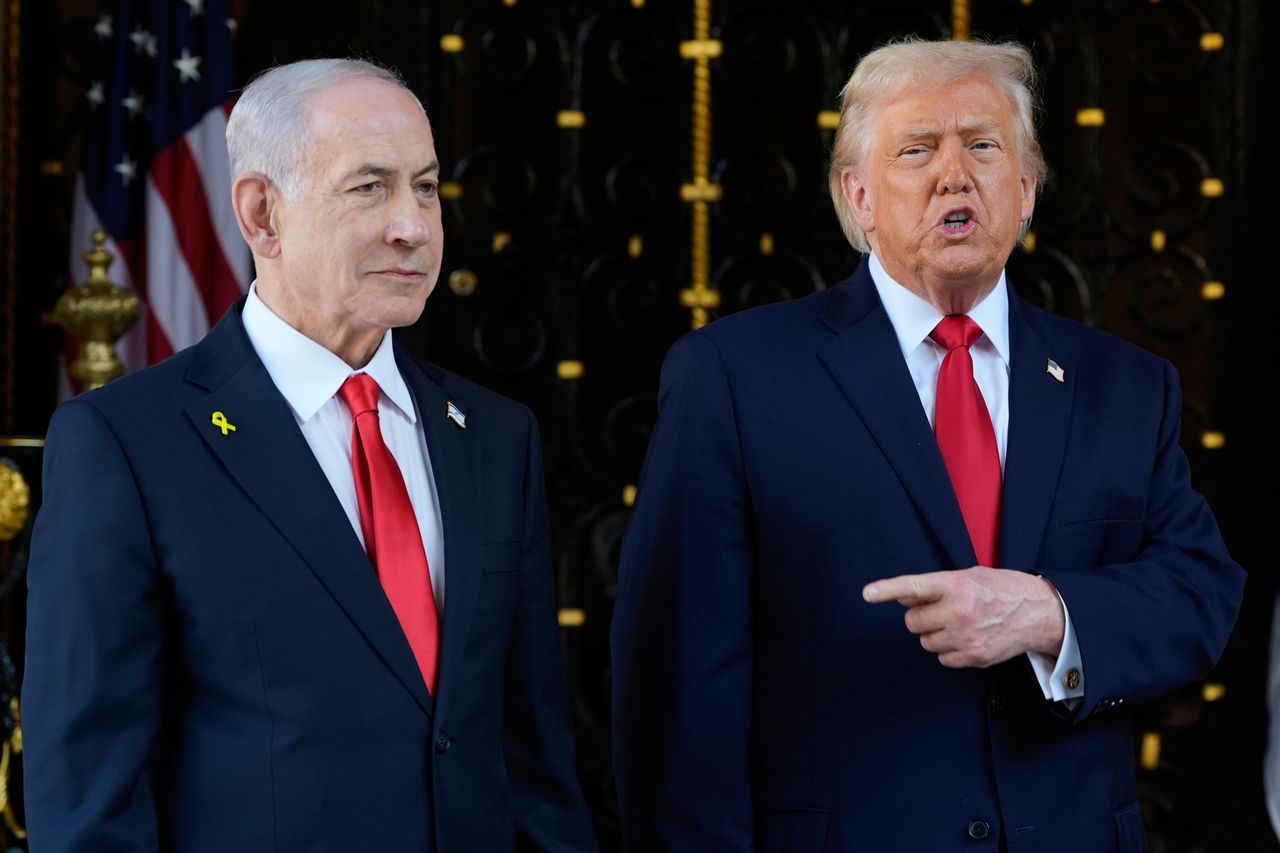
Netanyahu had previously said he would stand for re-election in the vote, scheduled to be held by late October. He has served as prime minister for nearly two decades across multiple terms.
Trump's remarks followed a tense exchange between the two leaders days earlier, in which the US president berated the Israeli premier in a profanity-laced outburst. Netanyahu, for his part, downplayed the exchange in an appearance on CNBC.
The Israeli prime minister's political future has been shadowed not only by the tensions with Washington but also by a series of health issues.






He recently disclosed that surgeons had successfully removed what he described as a "small, early-stage malignant tumour" from his prostate.
Netanyahu has been admitted to the hospital several times since returning to office in December 2022, according to his office.
In March 2024, he underwent hernia surgery, before having the operation on his enlarged prostate in December of the same year.
In July 2023, less than three months before the start of Israel’s genocidal war on Gaza, Netanyahu had a pacemaker implanted after a brief hospitalisation following complaints of dizziness.
Netanyahu is currently waging wars on three interconnected fronts.
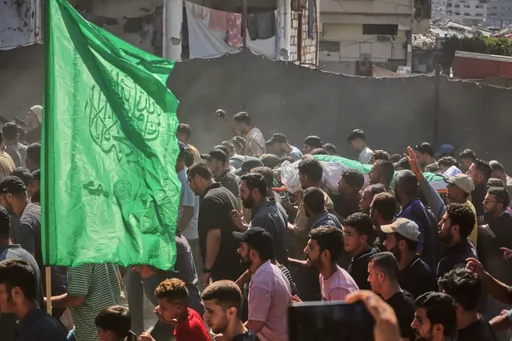
In Gaza, Israel is continuing its near-daily attacks despite a ceasefire in the Palestinian territory. Its genocidal war has killed nearly 73,000 Palestinians, mostly women and children.
In Lebanon, it is pursuing a military offensive despite another ceasefire there. Israeli strikes have killed more than 3,600 people, injured over 11,000 others, and displaced more than 1.6 million since March 2, according to Lebanese officials.
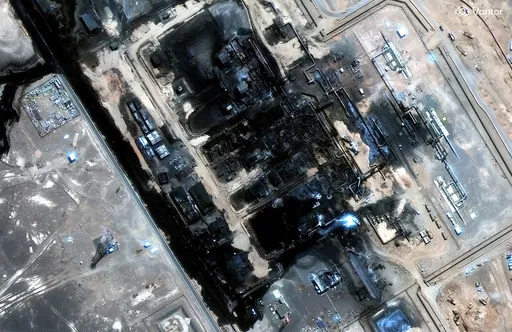
And in Iran, Israel joined US in launching a wave of attacks that killed much of the country's leadership and triggered a war that has spread across the region.