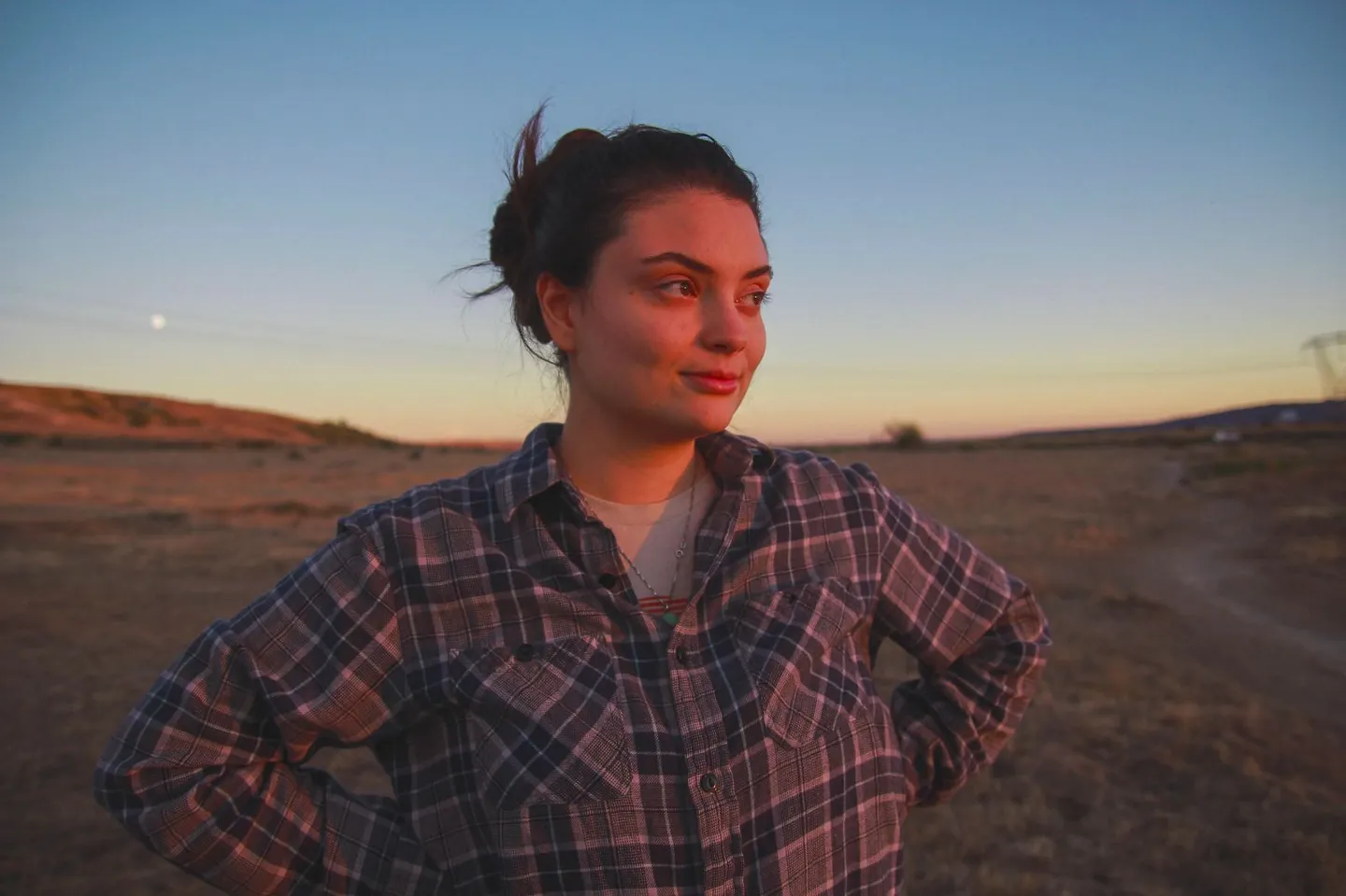
 Zeynep Conkar
September 6 marks two years since Aysenur Ezgi Eygi, a 26-year-old Turkish-American activist, was shot in the head by an Israeli sniper while observing a peaceful protest against illegal settlement expansion in Beita in the occupied West Bank.
Since then, her family has buried her in Aydin, Türkiye, found ways to keep her memory alive, and spoken to dozens of lawmakers in an effort to hold those responsible to account.
They are still calling for the same thing: an independent investigation into her killing, the identification of the soldier who shot her, and accountability for what happened.
The Israeli military has acknowledged that one of its soldiers fired in the area where Eygi was standing. But its preliminary investigation concluded that she was "highly likely" hit "indirectly and unintentionally" while troops were responding to a "violent riot."
No soldier has been charged.
For Eygi's family, that explanation has never amounted to accountability. Two years later, her husband Hamid Ali says the frustration has only deepened.
“We still don't have any results of any investigation, either from the Israeli government or otherwise,” Ali tells TRT World.
“The US government has not been open to investigating, and hasn't communicated with us about any updates on her case or any willingness to investigate it or hold Israel accountable for killing one of its own citizens,” he explains.
Yet Ali says the past year has brought something else too: a sense that Eygi has not been forgotten.
“We've seen so much support from our community in Seattle and across the US, and it's really meaningful to see that, still, even after two years,” he says.
Washington has yet to investigate
Washington's position has remained largely unchanged across administrations.
Then-US President Joe Biden described Eygi's death as a "tragic error".
In December 2024, then-Secretary of State Antony Blinken told the family that Washington was waiting for Israel to complete its investigation.
That position hasn’t changed under the Trump administration, either.
Brad Parker of the Centre for Constitutional Rights, part of the family's legal team, says no US federal agency, including the Department of Justice or the FBI, has opened an investigation into Eygi's killing, despite their jurisdiction to investigate the killing of an American citizen abroad.
In the weeks after her death, more than 100 members of Congress signed letters calling for a US investigation. The family and its supporters have continued to press lawmakers for action, but Washington has yet to open the investigation they have sought.
With no federal investigation forthcoming, the family has also turned to lawmakers in Eygi's home state.
“We were pushing for a piece of legislation, a joint memorial, that outlined how Aysenur was killed and the need for accountability and investigation,” Ali says.
The measure would formally ask the federal government and President Trump to investigate Eygi’s killing, but the family says they have yet to receive a response or see any progress on that front.
“We've seen the genocide of children, men, and women in Gaza. We've seen brutal killings by settlers in the occupied West Bank, with the aid of the military. We've seen my wife shot in the head, unprovoked and unjustified,” Ali says.
“It's hard to understand what exactly it would take for this government to wake up and hold the Israeli government accountable, not only for killing innocent men, women, and children, but for killing its own citizens, without any pushback or change in the relationship,” he adds.

Türkiye pushes the case forward
While Washington has declined to open its own investigation, Türkiye has pursued the case through its own legal channels.
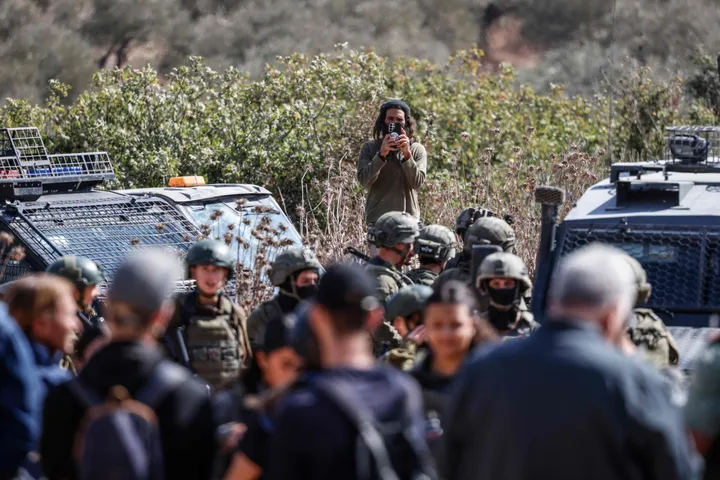
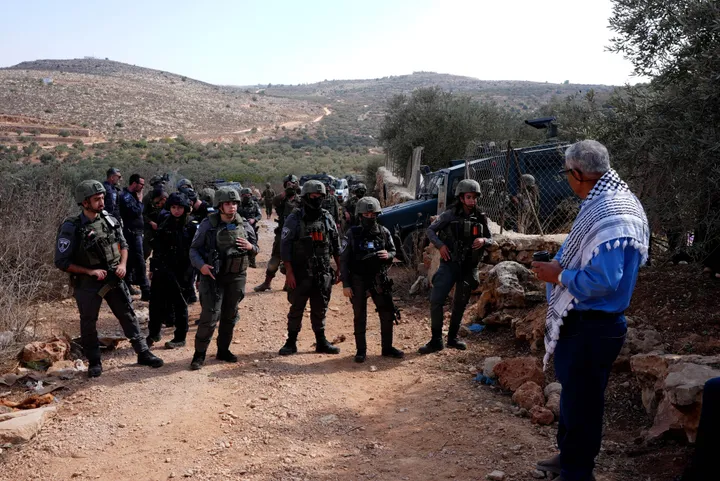
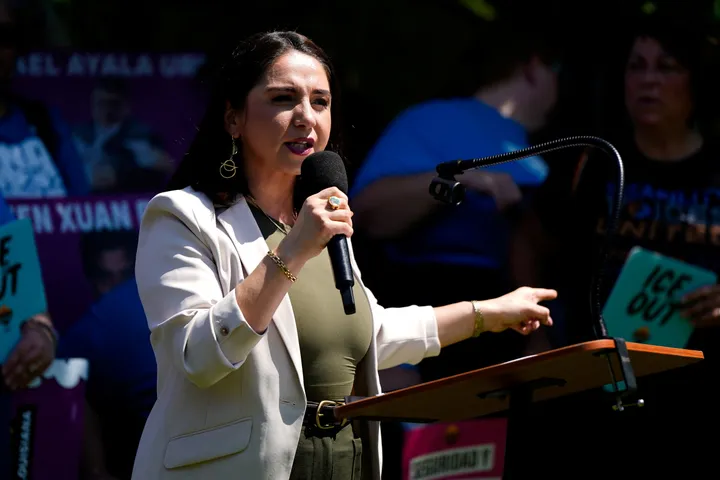


Ankara's chief prosecutor opened a criminal investigation within days of Eygi's killing, while then-Justice Minister Yilmaz Tunc said Türkiye had enough evidence, including video footage, to pursue international arrest warrants and an Interpol Red Notice for the Israeli personnel involved.
The case has since become part of Türkiye's broader legal efforts against Israeli officials.
Most recently, Ankara sought a Red Notice for Israeli Prime Minister Benjamin Netanyahu as part of the domestic case before Istanbul's 11th Heavy Penal Court linked to the interception of the Global Sumud Flotilla.
Türkiye has also sought to bring Eygi's killing into the ICC's Gaza-related proceedings and joined South Africa's genocide case against Israel at the ICJ.
Those efforts have given the family another avenue for accountability, even though they have yet to result in criminal charges against the soldier who shot Eygi.

A case that reaches beyond Eygi
The family has also continued to push for action closer to home, in Washington State.
State lawmakers introduced companion joint memorials, Senate Joint Memorial 8014 and House Joint Memorial 4010, calling on the federal government to investigate her killing independently. The measures received hearings in the state's Law and Justice Committee earlier this year.
The family has worked with the For Aysenur campaign, CAIR-WA and the Rachel Corrie Foundation, drawing a connection between Eygi and Rachel Corrie, another activist from Washington killed by the Israeli military in Gaza in 2003.
Corrie's family spent years seeking accountability but did not see criminal charges brought against the Israeli personnel involved.
“On one hand, it's beautiful that this tragedy connected our two families. I consider the Corries close friends of ours. That's a beautiful thing,” Ali says.
“But at the same time, I wish we'd never had a reason to meet them this way. It's really sad that all of their advocacy over the last two decades hasn't changed anything.”
According to Ali, Aysenur felt the same way Rachel Corrie did.
“She was killed the same way Rachel was killed. And there's been no justice for either of them, still,” Ali says.
“As for my grief, the Corries actually helped us understand this early on. They told us it never gets easier, even after twenty years. You just get stronger and better at carrying the pain,” he adds.
Two years after Eygi was killed, Ali will mark the anniversary by travelling to Aydin’s Didim to visit her grave.
Ali says the family’s demand remains the same: justice.
“Justice means holding the soldier responsible for killing Aysenur, the person who pulled the trigger, the person who gave the order, the person who wrote the policy… all the way up the chain, to the high-ranking officials who support this kind of action or fail to take responsibility for it,” Ali says.
And for Ali, accountability for Eygi is only one part of what justice means.
“True justice includes accountability for every single Palestinian who's been killed the same way, or worse. There are thousands of stories in Palestine we'll never know, too many in the occupied West Bank and in Gaza for us to ever know them all.”
Ultimately, there can be no true justice until Palestine is liberated, he adds.