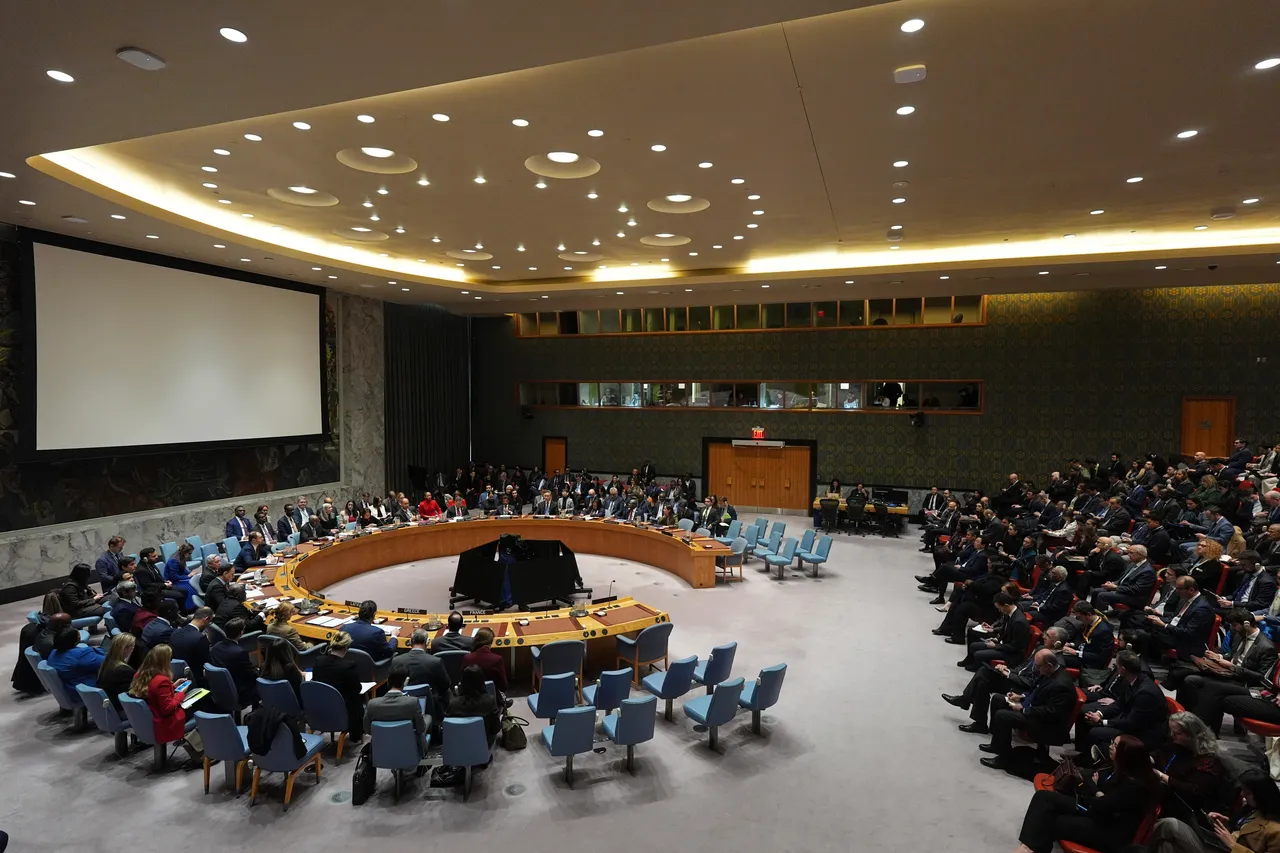
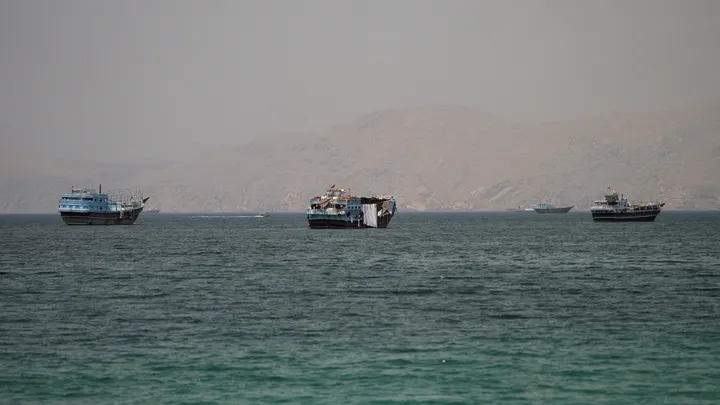
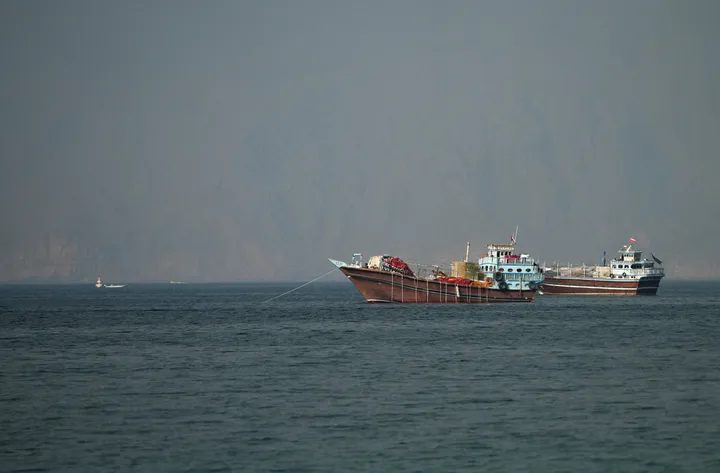
Washington has revised its proposed UN resolution demanding Iran halt attacks and mining in the Strait of Hormuz but the changes are unlikely to avert Chinese and Russian vetoes, diplomats said.
An updated draft shared with Security Council members on Thursday afternoon and seen by Reuters news agency removed a clause invoking Chapter VII of the UN Charter, which allows the council to impose measures ranging from sanctions to military action.
However, there remained a clause that, in the event of non-compliance the council would "meet again to consider effective measures ... including sanctions measures, to ensure the freedom of navigation in the area."
It was unclear when the council might vote on the resolution.
While the text does not explicitly authorise force, it does not rule it out, and "reaffirms the right of member States ... to defend their vessels from attacks and threats, including those that undermine navigational rights and freedoms."

Strong China, Russia objections
A previous resolution backed by the United States that appeared to open a path to legitimising US military action against Iran failed last month after Russia and China exercised their vetoes in the 15-member UN Security Council.
Diplomats said the original version of the current resolution, drafted by the US and Bahrain, and submitted to council members for review this week ran into strong Chinese and Russian objections.

A UN diplomat said that despite dropping the Chapter VII reference, which was also done with the last month's resolution, the new draft did not address Chinese and Russian objections.
China's UN mission said it had no comment on the new draft, and the Russian mission did not immediately respond.
A statement from Russia's mission on Thursday said Security Council members should refrain from "pushing through one-sided and confrontational draft resolutions" that could "trigger a new wave of escalation in the Middle East."
"It is precisely for this reason that on April 7, Russia, along with China, blocked the adoption of a draft resolution on the situation in the Strait of Hormuz," it said.
On Tuesday, US Secretary of State Marco Rubio called the proposed resolution a test of the utility of the United Nations and urged China and Russia not to veto it.
Regional tensions have sharply escalated since the US and Israel launched war against Iran on February 28, triggering Iranian retaliation against Israel and the Gulf nations hosting US assets, along with the closure of the Strait of Hormuz.
A ceasefire took effect on April 8, mediated by Pakistan, though negotiations in Islamabad failed to produce a permanent agreement. Trump later announced an extension of the truce without setting a deadline.
The US has maintained a naval blockade targeting Iranian maritime traffic in the Strait since April 13.