Turkish President Recep Tayyip Erdogan on Wednesday marked the Muslim holiday of Eid-al Adha, or the Feast of the Sacrifice.
In a message, Erdogan described Eid al-Adha as a “spiritual blessing” and said he hoped the occasion would bring goodness to Türkiye, the Turkish nation, the Islamic world, and humanity as a whole.
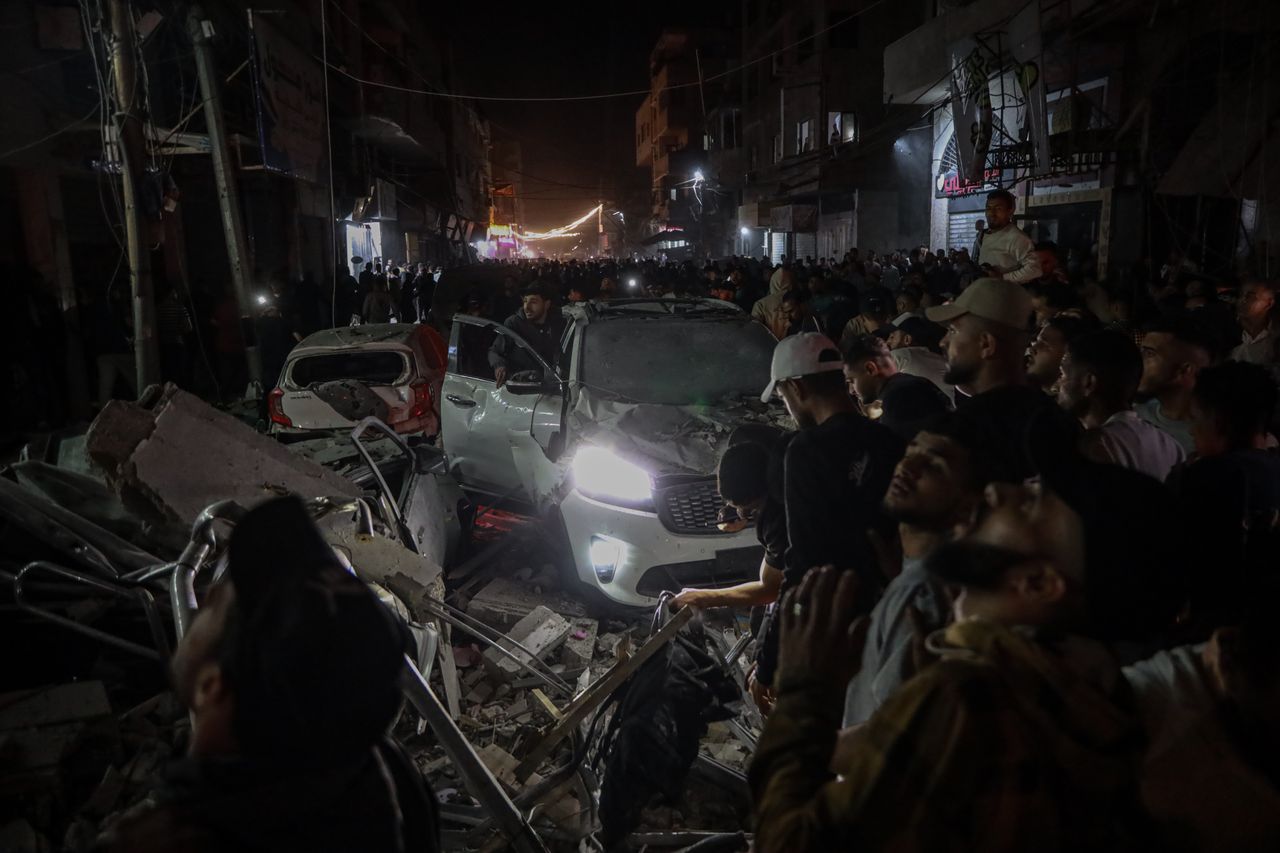
“To all our brothers and sisters who are welcoming this holiday with sadness, pain and deep sorrow in different corners of our spiritual geography, particularly those in Gaza, I extend my strongest messages of solidarity on behalf of myself and my nation, and I congratulate them individually on Eid al-Adha,” he said.
Millions across Türkiye on Wednesday performed prayers on the first day of the holiday.
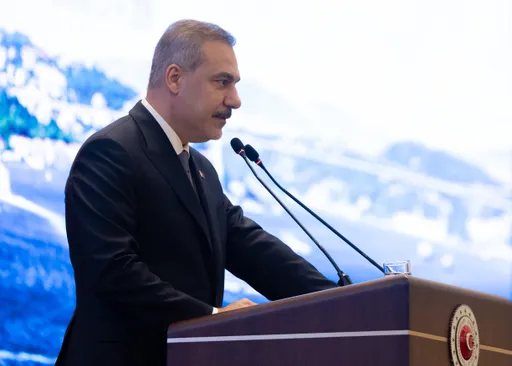
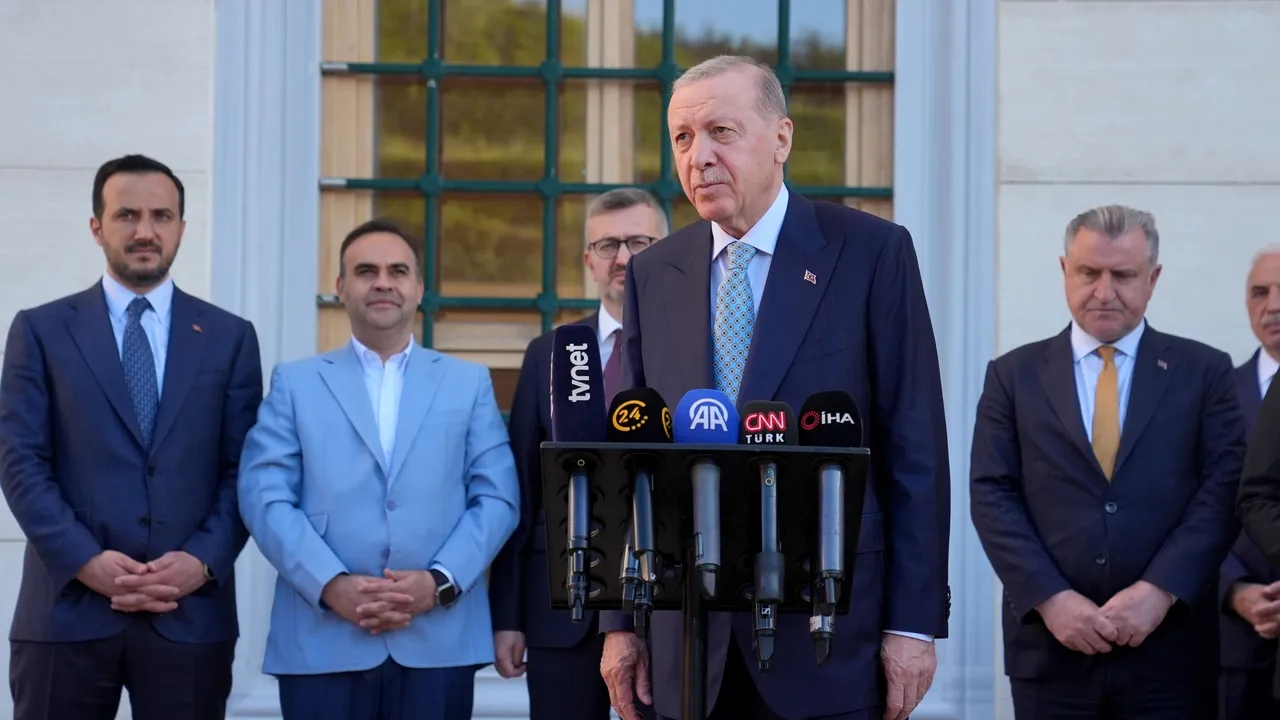
Separately, speaking to reporters at the Camlica Mosque in Istanbul following the Eid prayer, Erdogan said religious holidays are meant to strengthen social bonds and mutual support.
“Above all, holidays are days of love, respect, unity, togetherness, and solidarity,” he said.
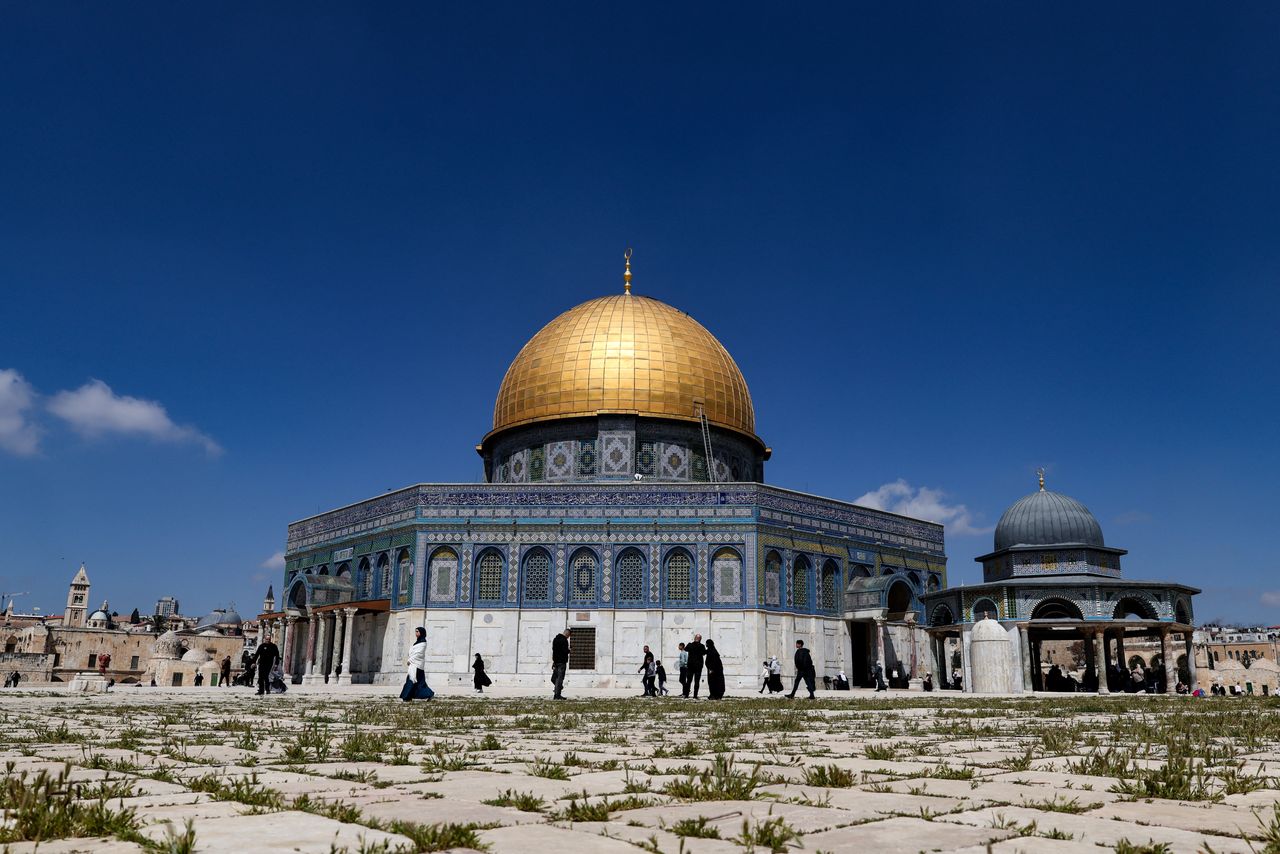
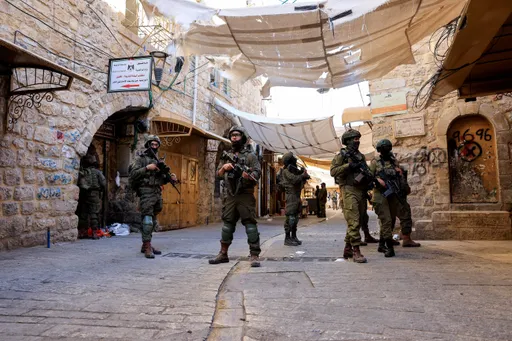
The Turkish leader said the situation in Gaza cast a shadow over the celebrations for Muslims in Türkiye and across the world.
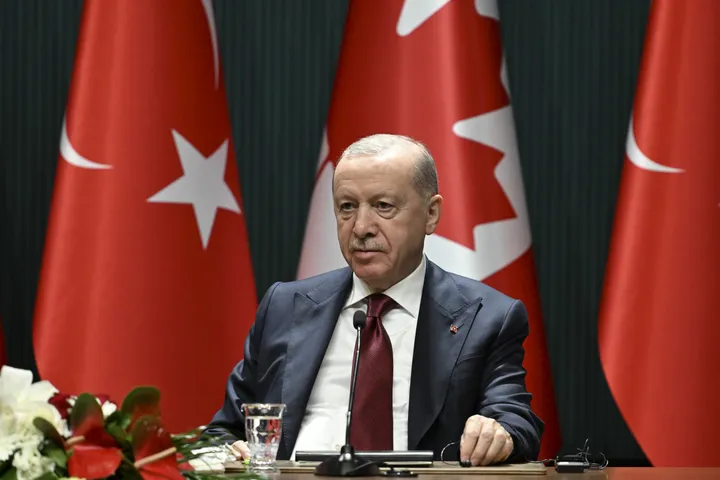

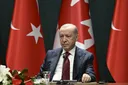

Erdogan delivered a rebuke of Israeli Prime Minister Benjamin Netanyahu, describing him as a "tyrant" and expressing hope that Muslims worldwide would unite in opposition to Israel’s actions in Gaza.
"I also believe that the tyrant known as Netanyahu will learn the necessary lesson at the hands of the world's Muslims," he said.
Türkiye has been one of the most outspoken critics of Israel’s military campaign in Gaza, with Erdogan repeatedly calling for an immediate ceasefire, expanded humanitarian aid access, and greater international pressure on Israel.
His remarks came as Muslims around the world mark Eid al-Adha amid continuing tensions and humanitarian concerns in Gaza and the broader Middle East.
The holiday commemorates the willingness of Prophet Ibrahim, or Abraham, to sacrifice his son at the command of God, before the last-minute divine substitute of a ram.
Muslims sacrifice animals in commemoration of this intervention and share the meat with the poor and their relatives.