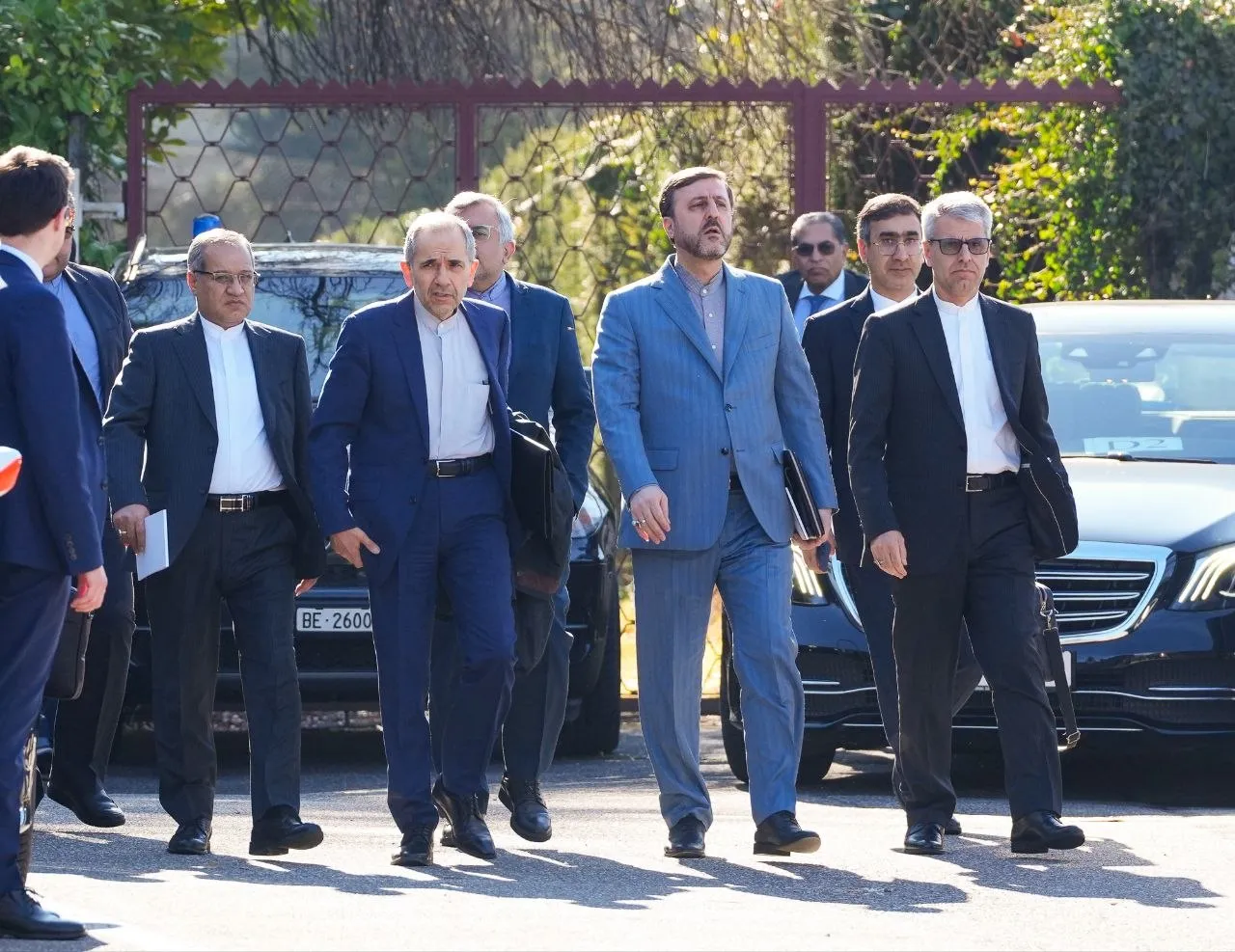
Indirect talks between the United States and Iran moved closer to a potential framework agreement on Thursday, as diplomats met in Geneva amid rising regional tensions and military posturing.
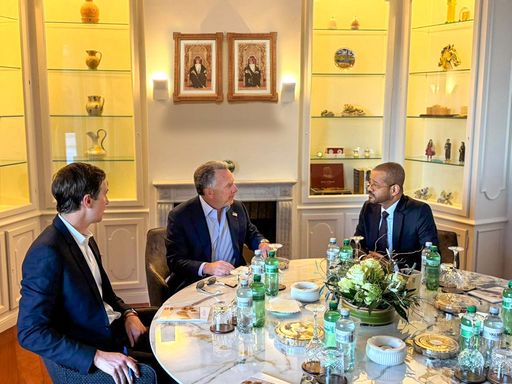
Iranian Foreign Minister Abbas Aragchi and US envoys Steve Witkoff and Jared Kushner held several hours of indirect negotiations mediated by Oman, with both sides describing the discussions as serious but incomplete.
Oman's foreign minister said that the third round of talks concluded with significant progress, and technical discussions will be held next week in Vienna.
"We have finished the day after significant progress in the negotiation between the United States and Iran," Badr Albusaidi said in a post on X, adding that "discussions on a technical level will take place next week in Vienna".
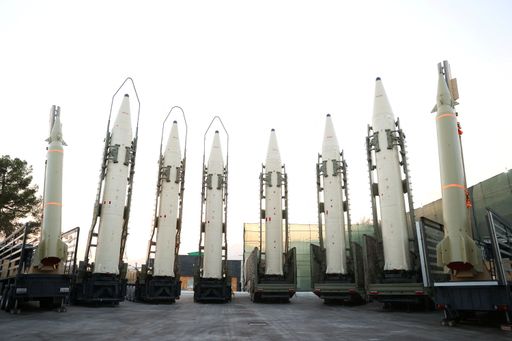
A senior Iranian official said a deal could be within reach if Washington separates nuclear issues from other disputes, including ballistic missiles and Tehran’s regional alliances — areas the US insists must eventually be addressed.
Trump threatens ‘really bad things’
The talks come against a backdrop of mounting pressure from Donald Trump, who has warned Iran to strike a deal quickly or face consequences, while the US continues to reinforce its military presence in the region.
Washington wants Tehran to halt uranium enrichment entirely, arguing the capability could enable nuclear weapons development.


Iran denies seeking a bomb and says it is willing to offer concessions in exchange for sanctions relief and recognition of its right to peaceful enrichment.
US Secretary of State Marco Rubio said Iran’s refusal to discuss its missile program remains a major obstacle, while Iranian officials insist the negotiations should focus solely on nuclear matters and sanctions.
The diplomatic push unfolds as fears grow of a wider conflict. The United States has deployed additional air and naval assets to the region, including the aircraft carrier USS Gerald R. Ford, while Iran has warned it would retaliate strongly against any new strikes.
Mounting domestic pressure to Khamenei
Inside Iran, Supreme Leader Ali Khamenei faces mounting domestic pressure from sanctions-driven economic strain and renewed protests.
President Masoud Pezeshkian reiterated on Thursday that Iran’s leadership prohibits weapons of mass destruction, insisting Tehran has no intention of building nuclear arms.
Despite cautious signals of progress, diplomats acknowledge that key disagreements — particularly over sanctions relief and enrichment limits — remain unresolved, leaving the talks delicately poised between breakthrough and breakdown.