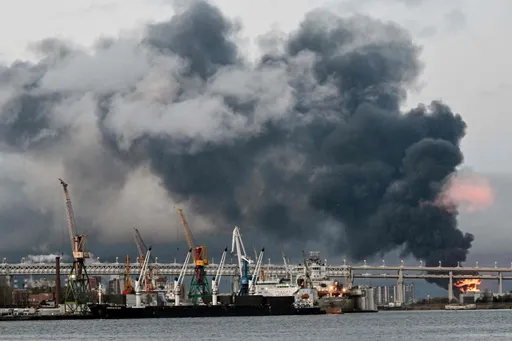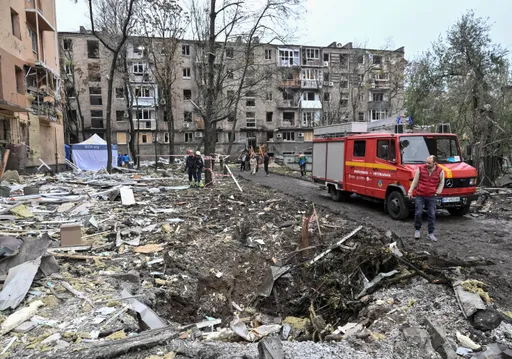
Europe’s latest confrontation with Russia is not the result of a single diplomatic dispute. It is the latest turn in a broader confrontation over what European governments describe as Russian “hybrid warfare” — sabotage, espionage, cyberattacks, disinformation and other covert operations they allege are carried out by Moscow below the threshold of conventional war.
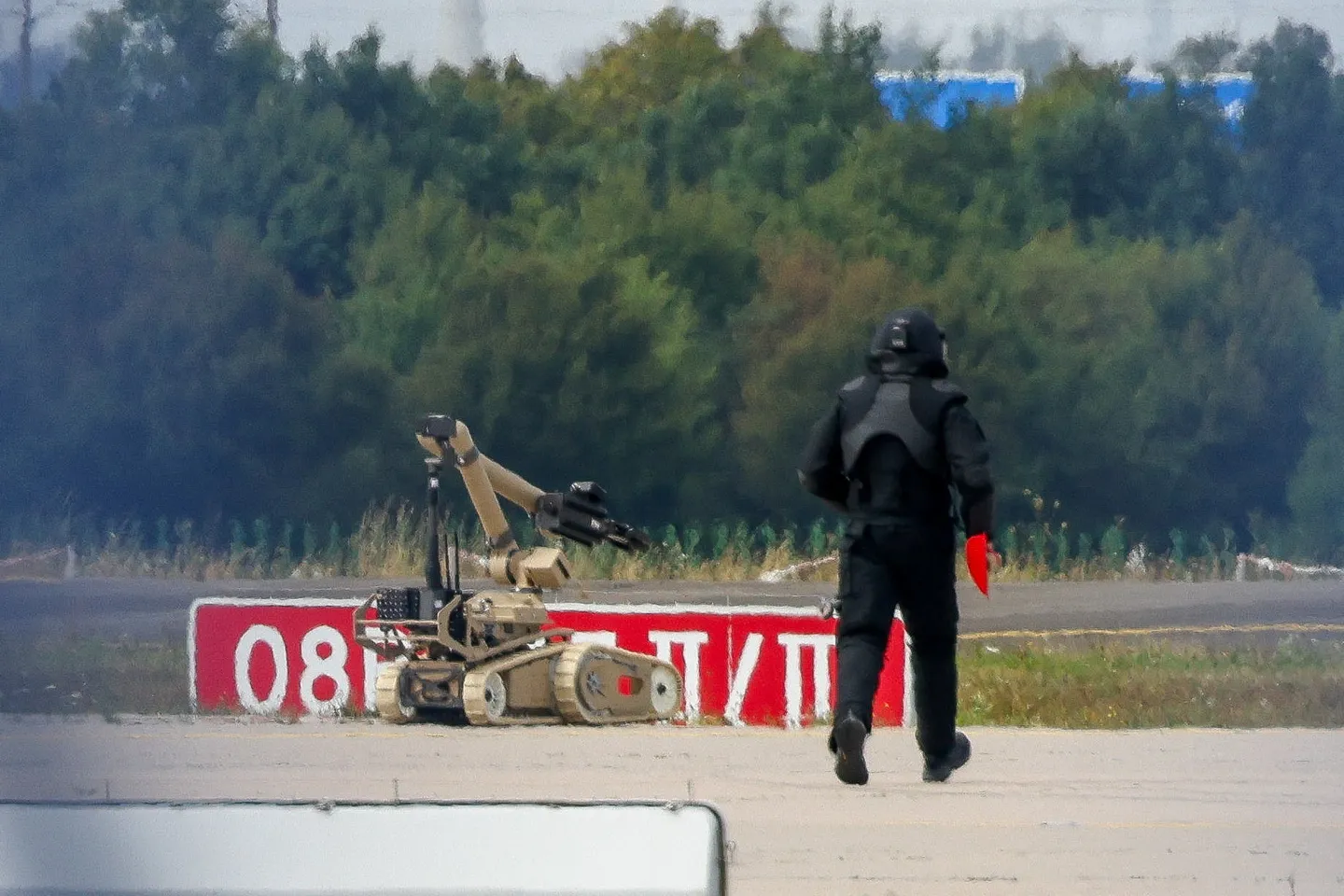
The immediate trigger, however, was an explosive-laden drone found at Germany’s Leipzig/Halle Airport on August 5.
What triggered the current escalation?
The Leipzig incident is the key.
A drone carrying explosives was discovered in a restricted area of Leipzig/Halle, near Ukrainian Antonov cargo aircraft. Investigators later found evidence suggesting that multiple drones were involved and that the operation was aimed at a Ukrainian aircraft used for military logistics. The device failed to detonate.
For several weeks, Berlin stopped short of publicly blaming Moscow. That changed on September 1, when German officials said their investigation and intelligence assessments had established that Russian state agencies were behind the attempted attack.
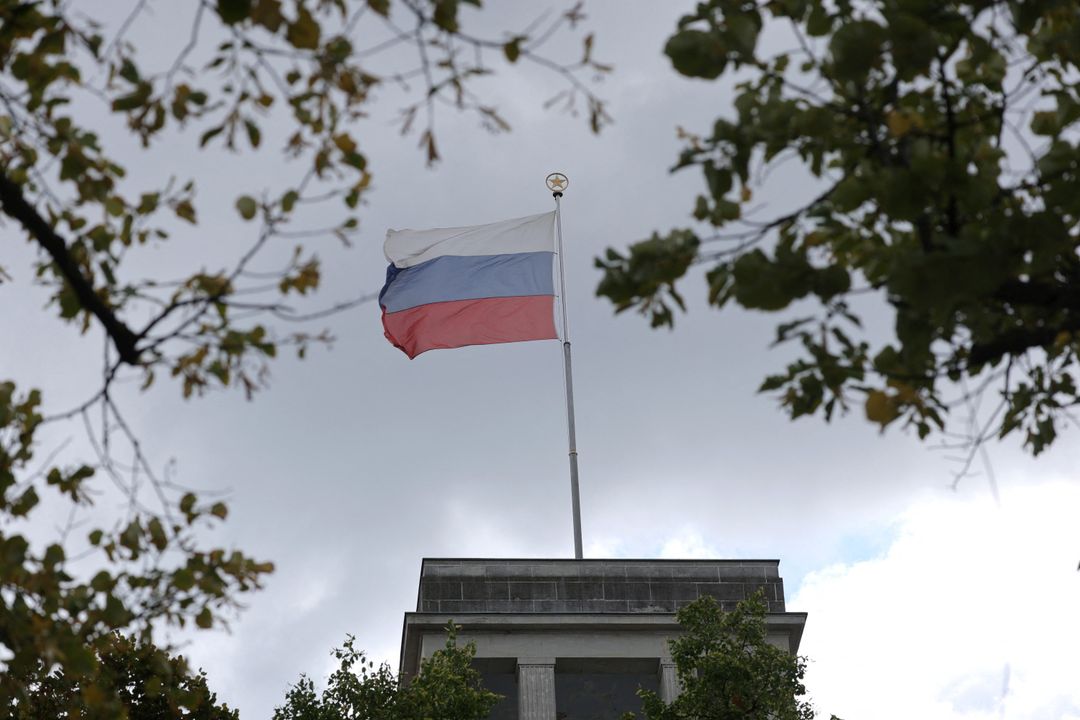
Germany said the Russian side had provided equipment and know-how and recruited intermediaries to carry it out. Berlin characterised it as part of a wider campaign of alleged Russian hybrid operations in Europe.
This moved the issue from suspicion of Russian interference to a direct accusation by a major NATO country that Moscow attempted an attack on German soil.
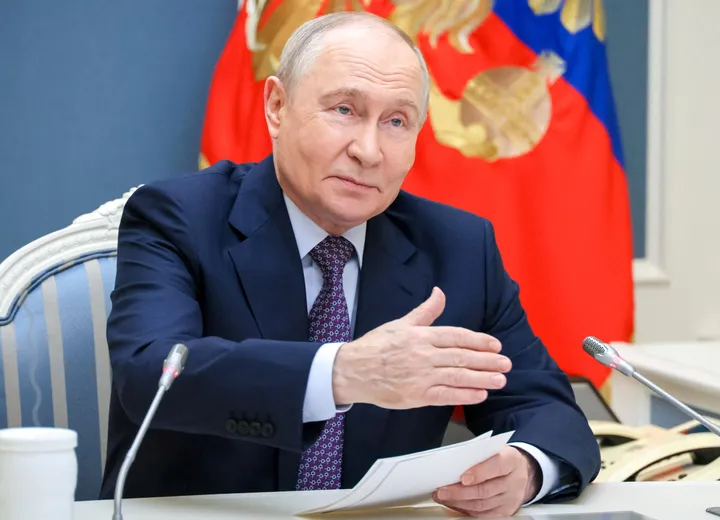
Russia has categorically denied responsibility, with President Vladimir Putin accusing Germany of manufacturing evidence and Moscow describing Berlin’s response as an escalation.
Why is this bigger than the Leipzig drone attack?
European governments have been warning for years that Russia's confrontation with the West increasingly extends beyond Ukraine.
A CSIS assessment found that suspected Russian sabotage and subversion operations in Europe increased sharply in 2024, with transportation, infrastructure, government and industry among the targets.
Germany says it has subsequently dealt with other suspicious incidents, including disruptions at power substations. On Thursday, authorities were also investigating an arson attack near the Munich headquarters of defence company Rohde & Schwarz.
German officials caution that not every incident can automatically be attributed to Russia, but the incidents are being viewed against the backdrop of the wider hybrid-threat campaign.
What happened next?
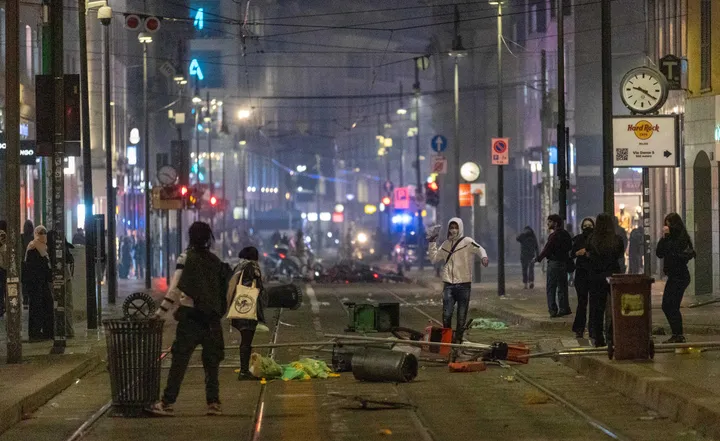


Germany responded by announcing measures against Russian diplomatic and cultural institutions, including the closure of Russia's consulate in Bonn and the termination of the agreement allowing the Russian House of Science and Culture to operate in Berlin. Berlin is also seeking additional EU sanctions and restrictions on Russian nationals.
Moscow has now retaliated.
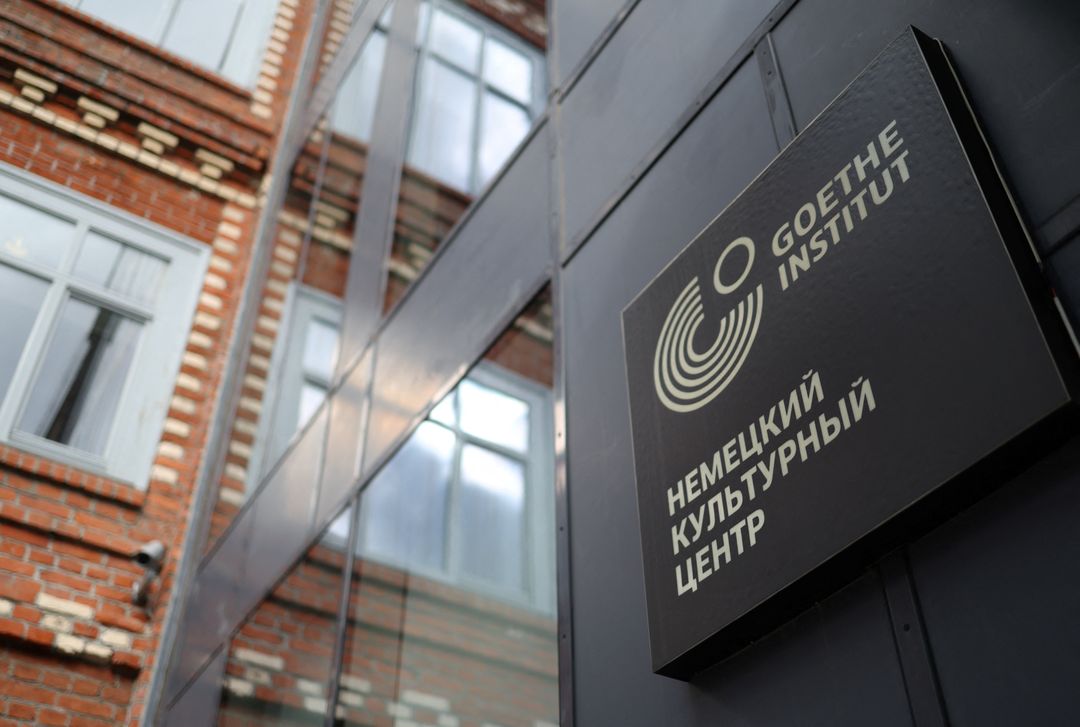
Foreign Minister Sergey Lavrov said Russia will close Germany's Goethe-Institut centres in Moscow, St Petersburg and Yekaterinburg, explicitly describing the move as retaliation for Germany's actions against the Russian cultural centre. Russia's deputy foreign minister has also warned that further retaliation over the Bonn consulate will follow.
German Foreign Minister Johann Wadephul on Thursday called Russia’s announced closure of Goethe-Institut branches “very regrettable” and “unjustified,” saying the step would further damage already strained relations.
"The Goethe-Institut makes a valuable contribution every day to fruitful cultural relations and social exchange between Russia and Germany,” Wadephul told local media on the sidelines of a meeting with his French and Polish counterparts in Weimar.
The escalation has now moved beyond intelligence and security allegations into tit-for-tat diplomatic and cultural expulsions.
Germany’s allies step in
Germany's allies see the Leipzig episode as a European security issue rather than simply a German-Russian dispute.
Foreign ministers from Germany, France and Poland are meeting in Weimar this week under the 35-year-old Weimar Triangle framework. Security, support for Ukraine and European cooperation are central to the discussions.
Poland has been particularly vocal because it has repeatedly been on the front line of Russian pressure. Warsaw summoned the Russian ambassador on Thursday to protest what it called an escalation of Moscow's “aggressive actions,” following its expression of solidarity with Germany over Leipzig.
Germany has also publicly thanked France and Poland for standing behind it, reinforcing Berlin’s message that Russia should not be able to intimidate individual European countries into responding separately.
Meanwhile, Czech President Petr Pavel accused Russia of using sabotage and disinformation to create distrust among European states and undermine European institutions, while Britain's foreign ministry summoned Russia's most senior diplomat in the country to condemn what it called an "egregious and reckless attack" by a drone at Leipzig airport last month, a spokesperson said.
Denmark is also sounding the alarm.
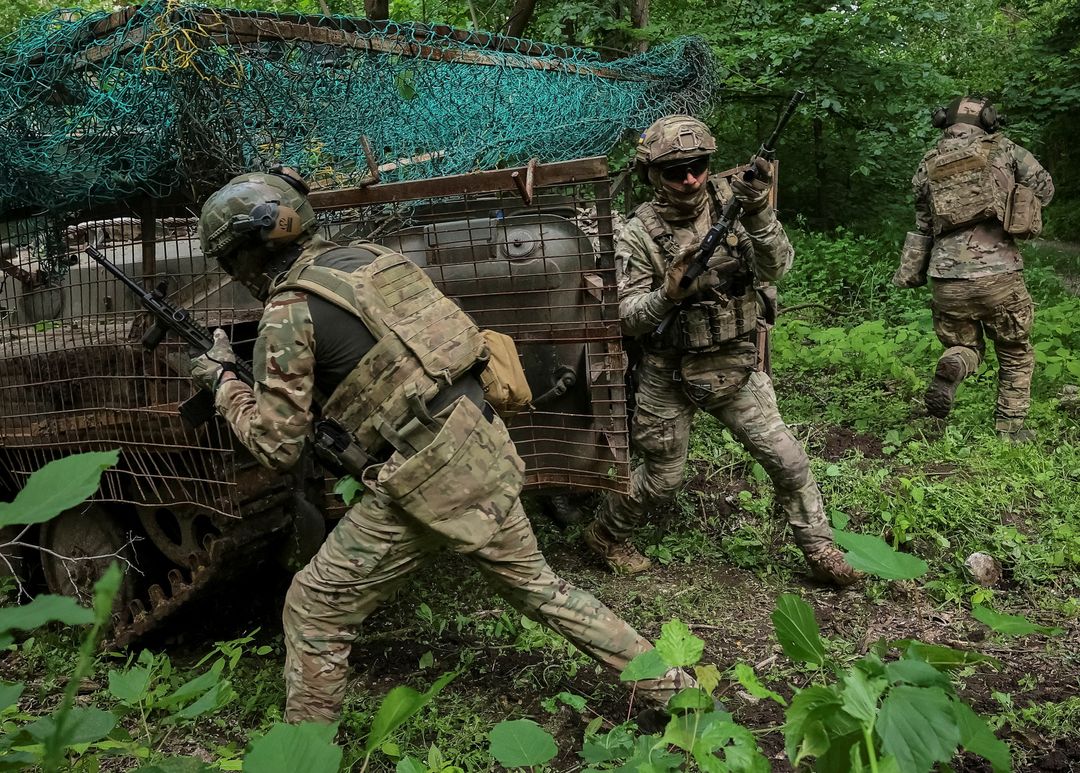
The Danish Security and Intelligence Service (PET) said on Thursday that Russian intelligence services are actively preparing sabotage operations against Denmark's defence industry.
According to Danish intelligence, Russian services have attempted to recruit ordinary Danes online to photograph facilities and gather information that could assist sabotage operations. PET specifically warned that defence companies involved in supporting Ukraine could be targets.