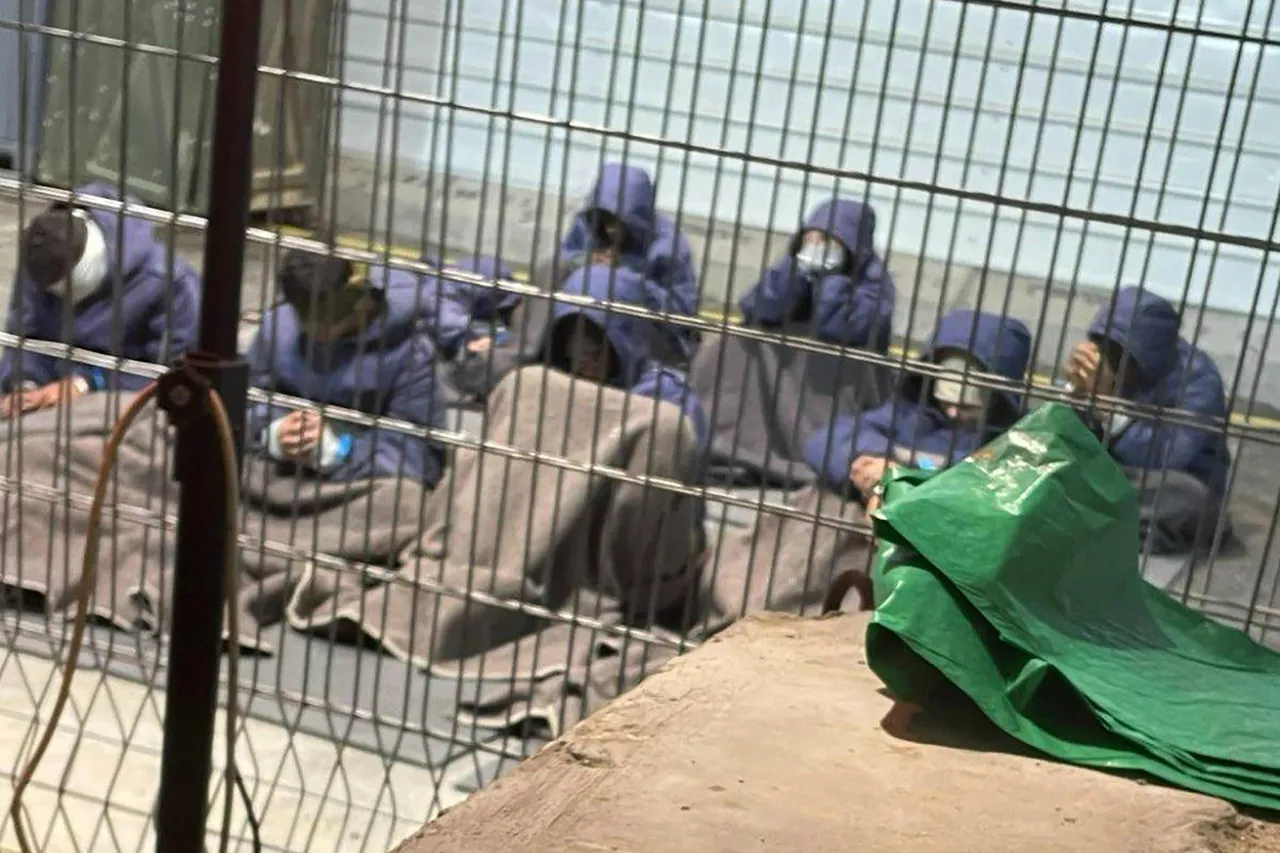
Global condemnation has followed the passage of a law by the Israeli Knesset that mandates the death penalty for Palestinian prisoners, with leaders branding the move a "war crime."
Palestine condemned the legislation as a "flagrant violation" of international humanitarian law and the Fourth Geneva Convention.
The Palestinian Authority called on the international community "to take a firm stance to stop these violations and hold Israel accountable," warning that such "racist laws" threaten regional stability.
"This law is a flagrant violation of international humanitarian law, particularly the Fourth Geneva Convention, which guarantees protection for individuals and fair trial rights," the Palestinian Authority has said in a statement carried by the official news agency Wafa.
The Palestinian Foreign Ministry also denounced the Israeli law as a "dangerous shift toward legalising genocide and adopting extrajudicial executions."
The ministry has stated that the law puts Israel "in direct confrontation with international law," calling on the international community "to sanction Israel, isolate its institutions, activate accountability mechanisms, and work to protect Palestinian prisoners."
Palestinian resistance group, Hamas, also stated that the final approval of the law reflects the "bloody nature of the occupation" and its "policy based on killing and terrorism."
The resistance group has warned that this "fascist law" constitutes a dangerous precedent threatening the lives of prisoners and has urged for urgent international intervention.
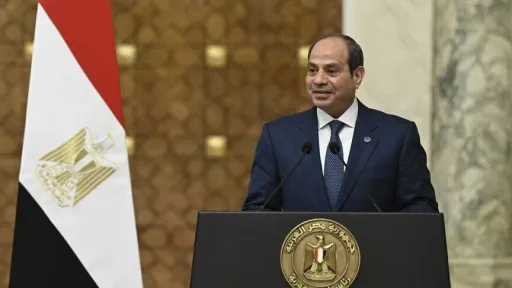
Egypt strongly condemned the law, describing it as a serious escalation and a violation of international law and the Geneva Conventions.
In a statement, the Foreign Ministry said the legislation reflects a discriminatory approach and undermines fair trial guarantees.
Cairo warned that such measures could further escalate tensions and destabilise the region.
Jordan's Ministry of Foreign and Expatriate Affairs has also denounced the law in the "harshest terms," calling it a breach of international humanitarian law.
Spokesperson Ambassador Fuaad Majali affirmed the Kingdom's "absolute rejection" of the "illegal, racist, and discriminatory" legislation, describing it as part of a systematic policy targeting the Palestinian people’s right to self-determination.








UN High Commissioner for Human Rights Volker Turk urged Israeli authorities to drop the plans, noting they are "incompatible with international law on several levels."
Turk has also stated that the proposals raise "serious concerns" regarding discrimination against Palestinians and the violation of fair trial guarantees.
He added that mandatory death sentences "deprive courts of any discretionary power and violate the right to life."
European reactions
Earlier yesterday, Germany, France, Italy and the United Kingdom have expressed "deep concern" over the law in a joint statement.
The four countries warned of the "de facto discriminatory character" of the bill, saying it would significantly expand the use of the death penalty.
They said adopting the law risks undermining Israel’s commitments to democratic principles and reiterated their opposition to capital punishment "in all circumstances."
Ireland also condemned the law, warning of its impact on Palestinians.
Foreign Minister Helen McEntee said the legislation expands the use of the death penalty and revives its implementation in Israel and the occupied Palestinian territory.
"The right to life is a fundamental human right," she said, stressing Ireland’s opposition to the death penalty in all cases.
She also raised concern over the "discriminatory nature" of the bill and urged Israel not to implement it.
Slovenian Foreign Minister Tanja Fajon condemned a newly adopted Israeli law allowing the death penalty for Palestinian prisoners, calling it discriminatory and warning it could undermine justice and security.
"An Israeli law introducing the death penalty is clearly discrimination against Palestinians," Fajon said in a post on X.
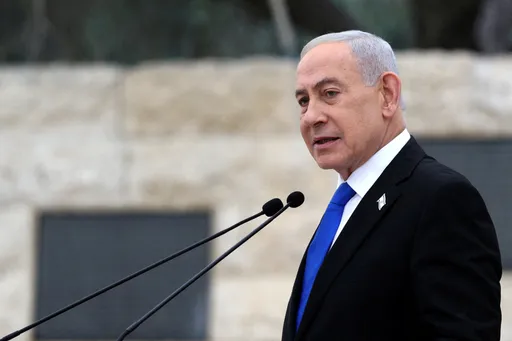
The law was approved in its final readings by 62 votes to 48, with Israeli Prime Minister Benjamin Netanyahu voting in support.