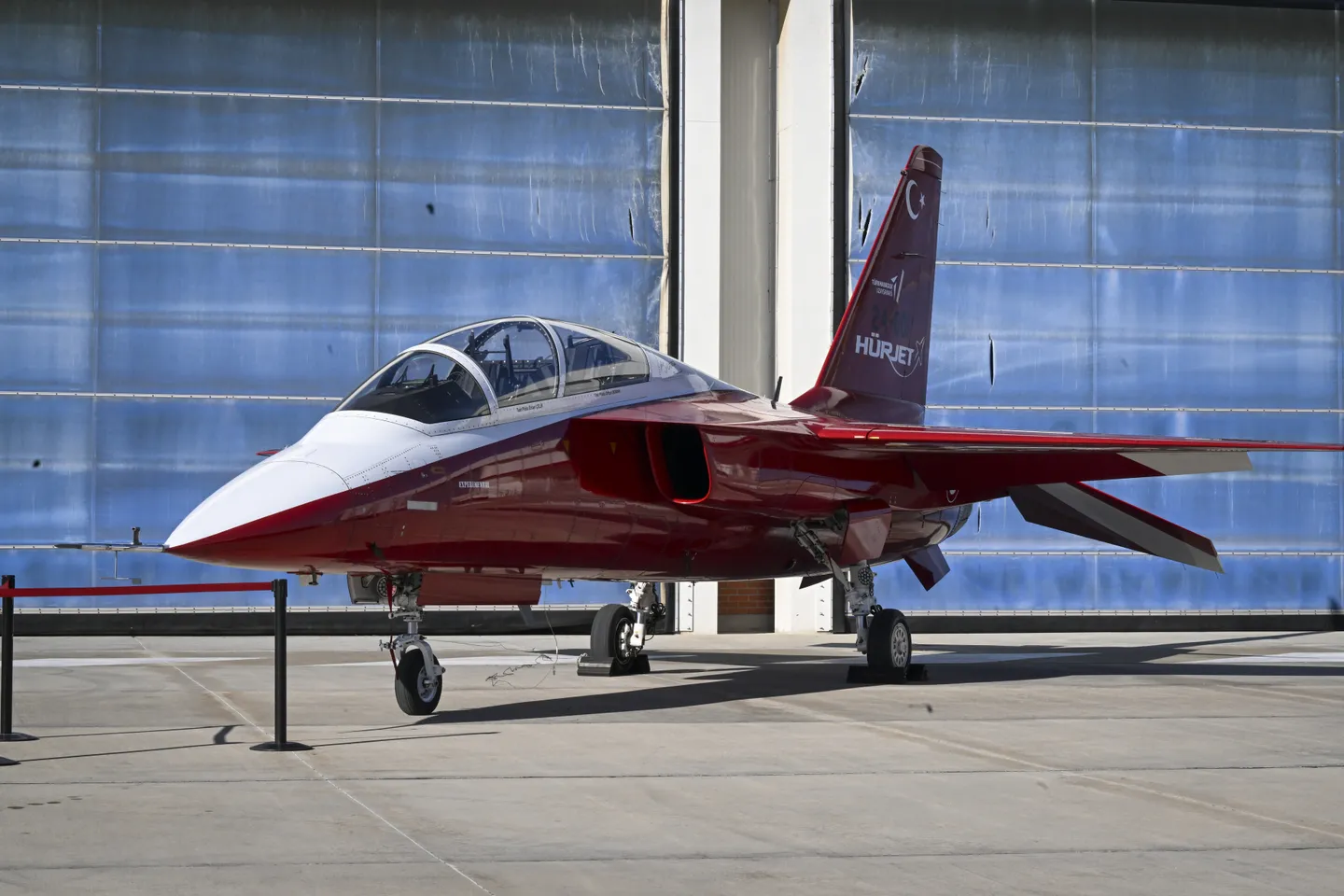
Türkiye and Spain will develop a joint version of the Hurjet jet trainer incorporating contributions from Spanish subcontractors, Turkish Defence Industries Secretary Haluk Gorgun has said.
Speaking at the opening of Ida Türkiye Defence and Aerospace Industrial Cooperation Days in Ankara on Wednesday, Gorgun described Spain's selection of Hurjet for its air force as the most prominent example of cooperation between the two countries.
“The initial versions of Hurjet will be manufactured and delivered by Turkish Aerospace Industries. But with contributions from subcontractors in Spain and additional certification there, we will deliver a version that could become a joint platform for the two countries,” he said.
The aircraft would initially meet Spain's requirements before being offered to other NATO members and friendly countries, he added.
Gorgun welcomed Spain's participation as the first partner country under the event's new cooperation model, saying international gatherings of small- and medium-sized enterprises provide an important way to strengthen industrial ties.
Organised by the OSTIM Defence and Aviation Cluster with support from Türkiye's National Defence Ministry and Defence Industries Secretariat, the event opened at Congresium Ankara.
Defence exports exceed $7.4B



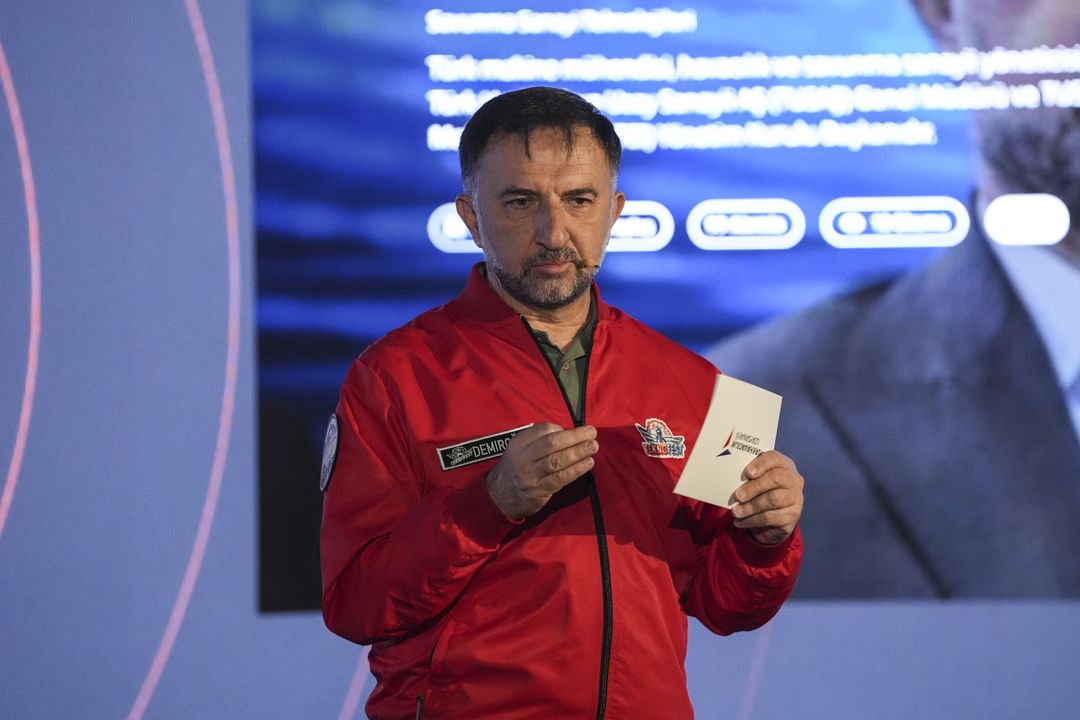
Gorgun said Türkiye's defence industry exports had exceeded $7.4 billion this year, already matching the previous year's total.
He said the sector comprises more than 4,000 companies and nearly 130,000 employees, with an average age of 34.
Highlighting the seasonal pattern of defence exports, Gorgun said shipments in the final two months typically significantly exceed the monthly average, supporting expectations that annual exports would surpass last year's level.
He attributed the industry's progress to Türkiye's industrialisation model, which has enabled a transition from direct procurement to indigenous designs and platform exports.
Felipe Javier Carrasco Torres, deputy industry minister of Spain's Valencia region, said cooperation with Türkiye could help expand the region's defence and security industries.
Valencia has industrial clusters spanning traditional manufacturing and emerging technologies, including semiconductors, photonics, aerospace and drones, he said, adding that its companies currently serve mainly civilian markets.
Torres invited Turkish industrialists to a defence and security industry event planned in Valencia next September, emphasising that cooperation with other countries and institutions would help the region develop capabilities more quickly.