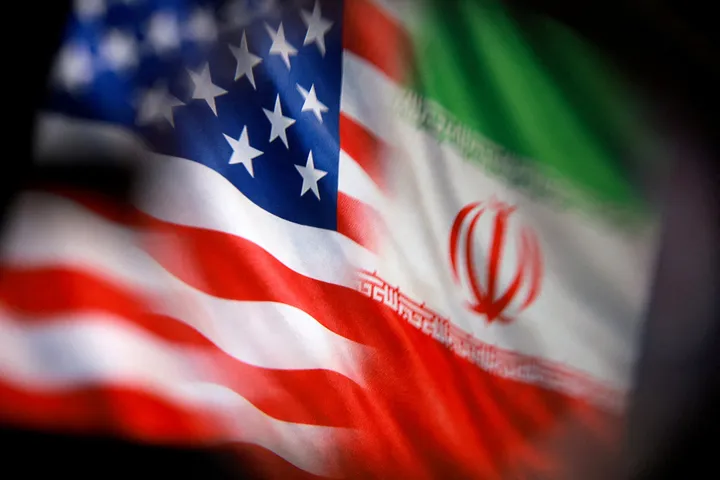
Israeli officials have signalled that the country is preparing for the possibility of renewed military attacks against Iran amid continued hostilities between Tehran and Washington and Houthi attacks in the Red Sea.
According to Israel's public broadcaster KAN, far-right Prime Minister Benjamin Netanyahu will convene his Security Cabinet on Friday to discuss military preparedness in light of what it described as a possible escalation over the weekend.
Israeli media reported that the country's security establishment has increased its level of readiness amid concerns that regional tensions could rapidly intensify.
Defence Minister Israel Katz said during security consultations, cited by the Yedioth Ahronoth daily, that Israel was "prepared for all scenarios."
He warned that Iran would receive a "devastating blow" if it launched an attack against Israel.
Energy Minister Eli Cohen also urged readiness for all possible scenarios, saying the regional situation required heightened vigilance.
"We see what is happening in the region. The United States is attacking Tehran, and Iran is attacking countries in the region. This requires vigilance and raising the level of alert," Cohen told Army Radio.
"If Iran acts against Israel, we will respond forcefully. We have significant intelligence and offensive capabilities," he added.
Western intelligence assessments
Alongside the official statements, Yedioth Ahronoth cited what it described as Western intelligence experts as saying Iran could attempt to broaden the confrontation by drawing Israel into the ongoing conflict.
According to the newspaper, the assessment is based on Iran's belief that differences exist between Washington and Tel Aviv over how to manage the crisis, which Tehran could seek to exploit.
Likud lawmaker Moshe Saada further fuelled speculations by telling Israel’s Channel 14 that Israel was "preparing to launch an attack on Iran, perhaps as early as this weekend."

However, officials from Netanyahu's Likud party quickly downplayed the remarks, describing them as Saada's personal assessment rather than information based on official briefings.
Yedioth Ahronoth quoted Israeli officials as saying Saada had not participated in any recent security consultations and that his comments were based on media reports. Netanyahu’s office also expressed dissatisfaction with the remarks, according to the newspaper.
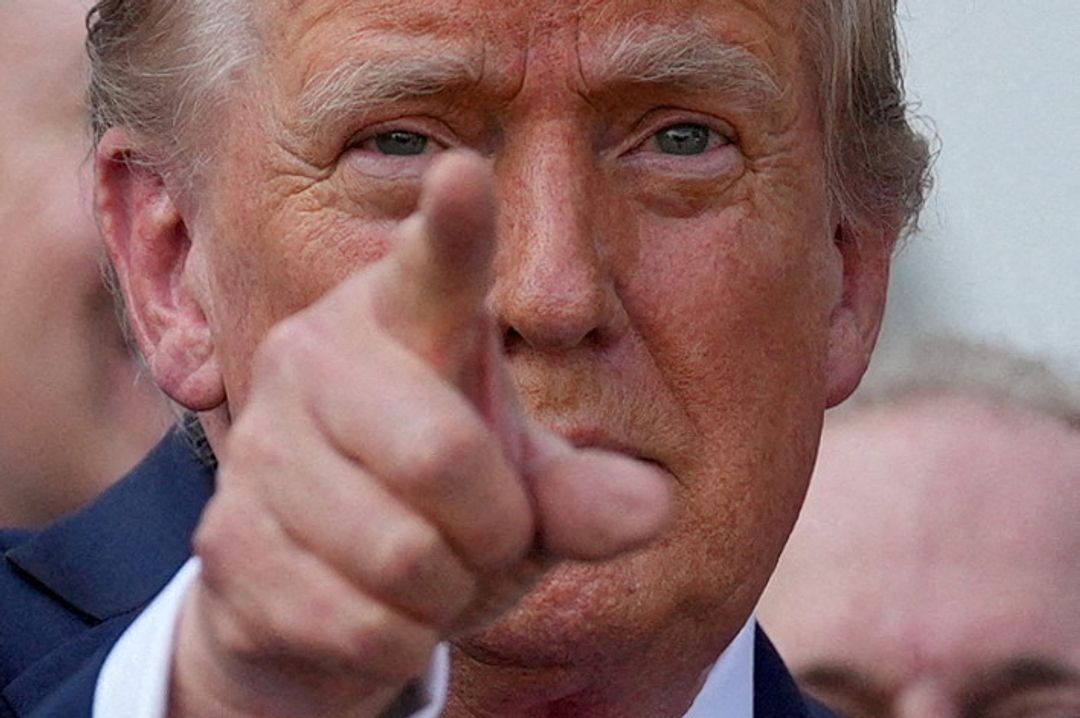
Trump's warning over Houthi attacks
Despite the rhetoric, Israeli officials indicated that major developments would largely depend on decisions in Washington.
"The key to developments in the coming days remains in the hands of US President Donald Trump," an unnamed Israeli official told Yedioth Ahronoth.
The official said the US administration was continuing to pressure Iran by maintaining the threat of military escalation while simultaneously attempting to push Tehran back to negotiations.
The official added that Israel was not expected to initiate an attack unless it came under direct Iranian strikes, although Washington could later request Israeli support or participation.
Regional tensions have escalated over the past two weeks after Trump announced on July 8 that the ceasefire outlined in the June 18 US-Iran memorandum of understanding was no longer in effect.
Since then, the US and Iran have exchanged attacks, with Washington targeting sites inside Iran while Tehran says it has attacked US military facilities and equipment across several countries in the region.
The confrontation has disrupted shipping through the Strait of Hormuz, threatened global energy supplies and prompted intermittent airspace closures and growing warnings of attacks on US facilities and interests beyond the Middle East.
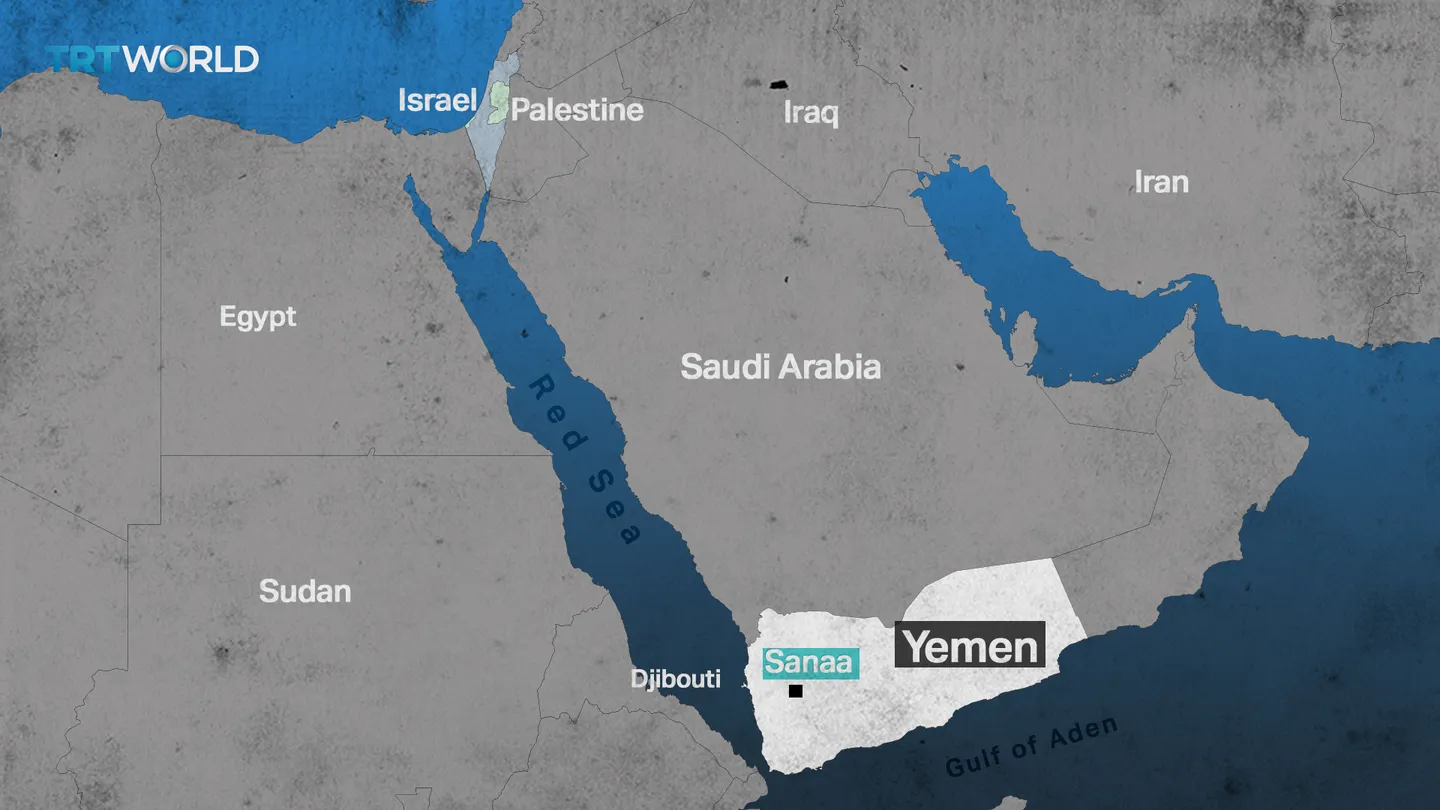
US President Donald Trump has, meanwhile, warned that he will hold Tehran responsible if Yemen's Houthis launch further attacks in Red Sea.
His remarks came after the Houthi group said they carried out an attack targeting two Saudi oil tankers with ballistic and cruise missiles, as well as drones.