An extra 45 million people could face acute hunger if the Mideast war carried on through June, swelling the number worldwide to a "terrible" high, the United Nations has warned.
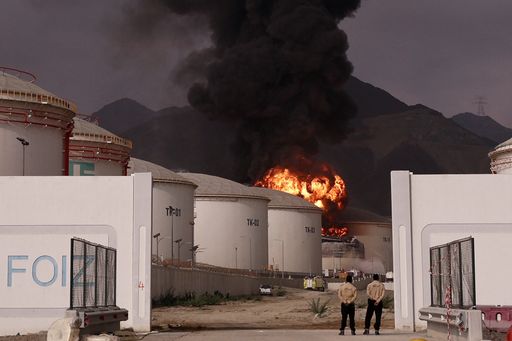
The war, now in its third week, has killed hundreds and seen Iran launch retaliatory strikes against Israel and Gulf nations, as well as a front opening in Lebanon with Israel battling Hezbollah.
"If the Middle East conflict continues through June, an additional 45 million people could be pushed into acute hunger by price rises," Carl Skau, the deputy executive director of the UN's World Food Programme, told a press conference in Geneva on Tuesday.
"This would take global hunger levels to an all-time record, and it's a terrible, terrible prospect," he said, with 319 million people — already an historic high — currently acutely food insecure.
"Really it is again taking this to a whole other level."
Skau said the WFP was already facing a "perfect storm" before the war erupted on February 28.




"Hunger has never been as severe as now," he said, driven by extreme weather events, conflict and pockets of famine being declared.
"At the same time, the resources fell sharply from 2023 and 2024 levels."
Having had to cut staff and streamline operations, "we are basically stretched to the limit", said Skau.
He said the Middle East war was making WFP's operations "much, much more expensive".
Skau said the agency was trying to deal with supply chain disruptions but its operating costs had shot up, notably through soaring fuel prices and longer routes.