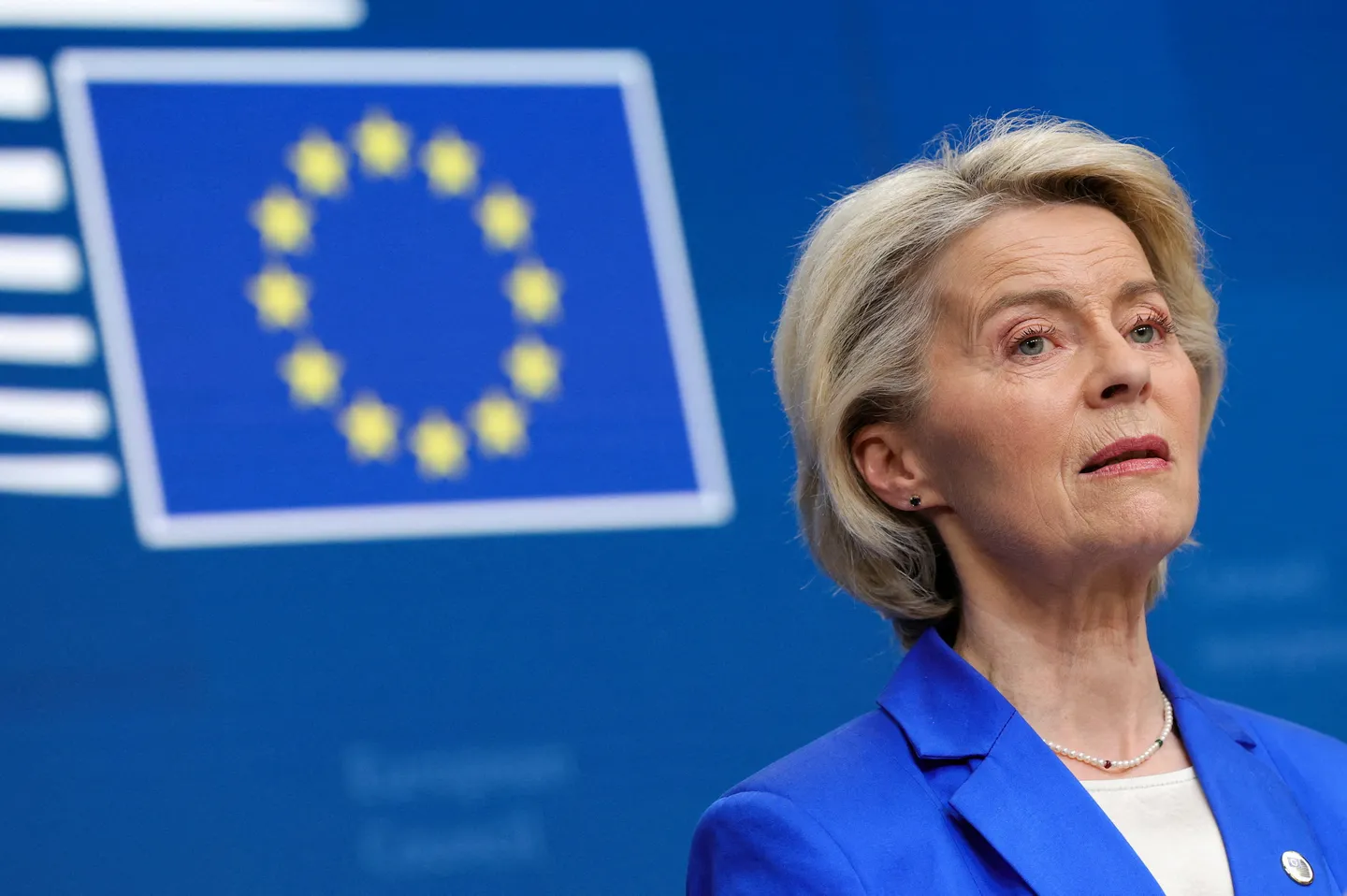
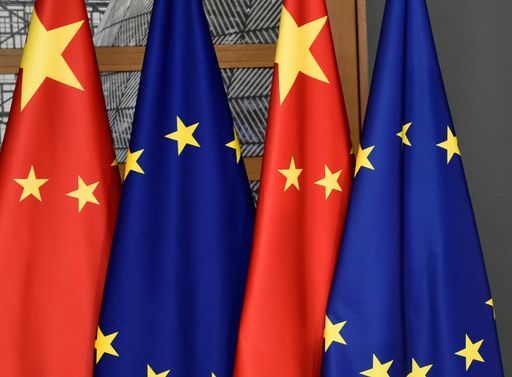
European Commission President Ursula von der Leyen has said that Europe has to strive for independence from Chinese critical raw materials by looking for alternative resources from other countries.
“In recent weeks and months, China has dramatically tightened export controls over rare earth and battery materials. At least to some extent, this is part of wider economic friction between China and the United States, but it has a huge impact on us here in the European Union,” von der Leyen told a conference on Saturday in Berlin.
“We all know how important rare earths are for our industry, whether for cars, semiconductors, or military equipment. The decisions announced by the Chinese government on October 9 pose a significant risk,” she added.
Earlier this month, China said it was increasing export controls for five rare-earth metals in addition to the seven it announced in April this year. There are 17 rare-earth metals in total.
The new restrictions, announced by the Commerce Ministry, came ahead of the meeting between US President Donald Trump and his Chinese counterpart Xi Jinping on October 30.
Risking global supply chains stability


Von der Leyen stressed that these actions would “severely hamper other countries except China, from developing a rare earth industry, and this threatens the stability of global supply chains and will have a direct impact on European companies.”
“If you consider that over 90 percent of our consumption of rare earth magnets come from imports from China, you see the risks here for Europe and its most strategic industrial sectors, from automotives to industrial motors dependence to aerospace defence, and aerospace or AI chips and data centres,” the European leader said.
Von der Leyen said “the aim is to create alternative sources of critical raw materials in the short, medium, and long-term for our European industries.”
“We'll speed work on critical raw material partnerships with countries like Ukraine and Australia, Canada, Kazakhstan, Uzbekistan, Chile, and Greenland. Europe cannot do things the same way anymore. We learned this lesson painfully with energy, we will not repeat it with critical materials,” she said.