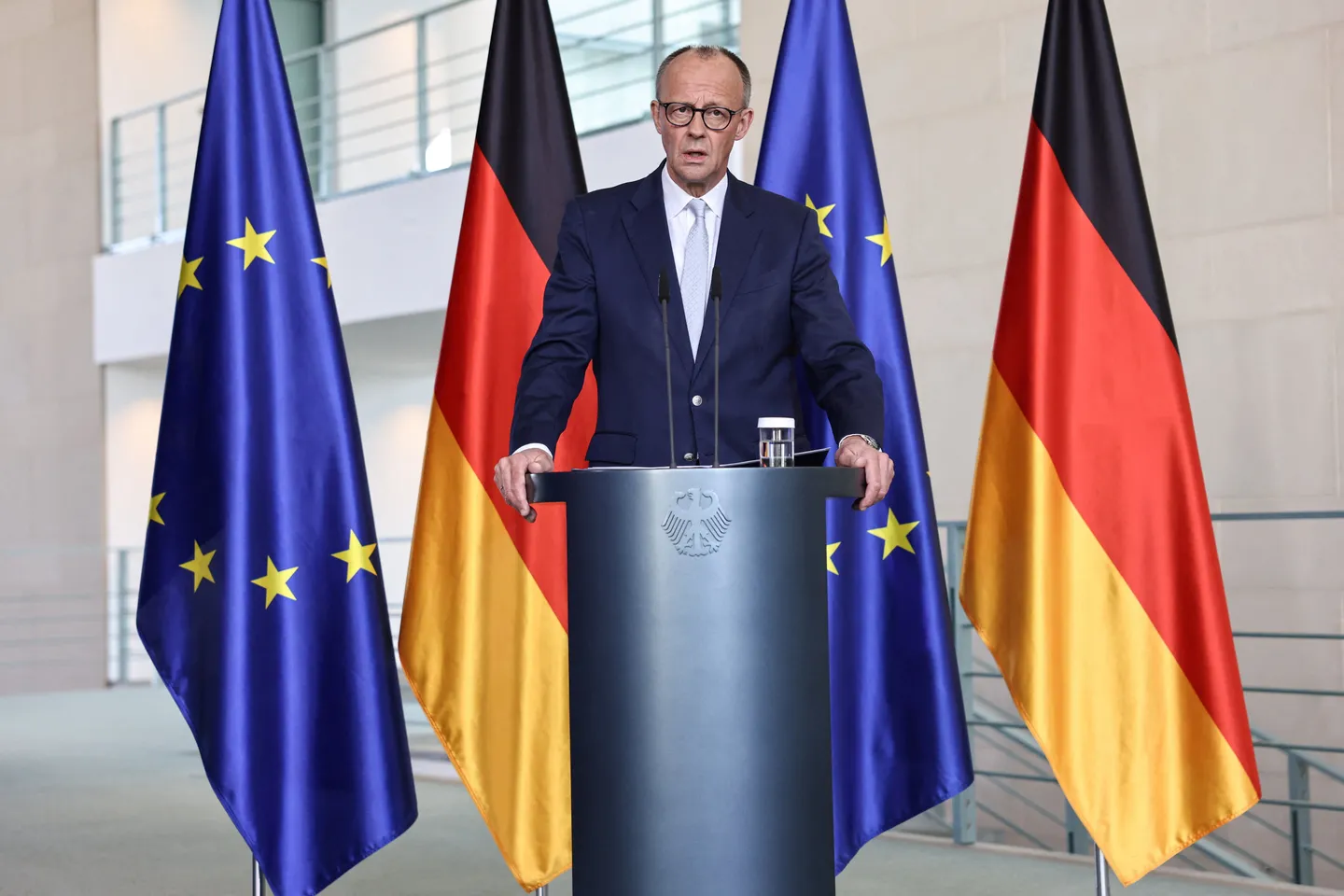
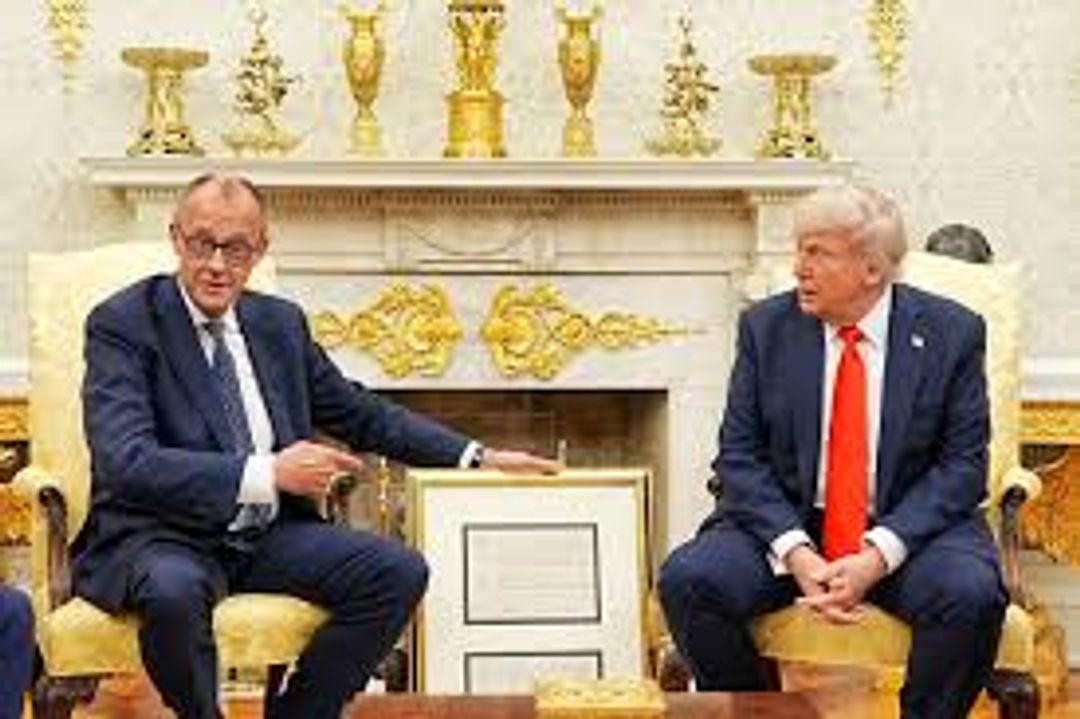
German Chancellor Friedrich Merz on Wednesday sought to ease tensions with US President Donald Trump over the Iran war, insisting their personal relationship remains “good” even after public criticism and social media attacks.
Speaking in Berlin, Merz said his concerns about the conflict were not new, but reflected longstanding worries about the war’s economic fallout for Germany and Europe.
“The personal relationship between the US president and myself remains, in my view, unchanged and good,” Merz told reporters.
He said Europe was paying a heavy price for the prolonged US-Israeli on Iran, particularly due to disruptions linked to the Strait of Hormuz, a key global energy shipping route.
“We in Germany and Europe are suffering considerably from the consequences, for example, of the closure of the Strait of Hormuz,” he said.
Merz added that the conflict was directly affecting Europe’s energy supplies and cutting into economic performance, underlining the need for a swift resolution.




Defence spending shielded in 2027 budget
Alongside foreign policy concerns, Merz said Germany’s Cabinet had agreed on the key framework for the 2027 budget, which includes broad cost-saving measures—but not in defense.
He stressed that military spending would remain a top priority as Berlin boosts its NATO commitments and continues backing Ukraine.
“There are significant areas where we must continue to spend considerable sums, even more than originally planned. This applies particularly to our defense capabilities,” he said.
Merz argued that recent global instability, including the Iran conflict, showed why stronger defense investment was essential.
“We want to be able to defend ourselves so that we don't have to defend ourselves,” he said.
The comments reflect Berlin’s effort to balance economic pressure at home with growing security demands abroad, as Europe faces overlapping crises from the Middle East to Ukraine.