 Baba Umar
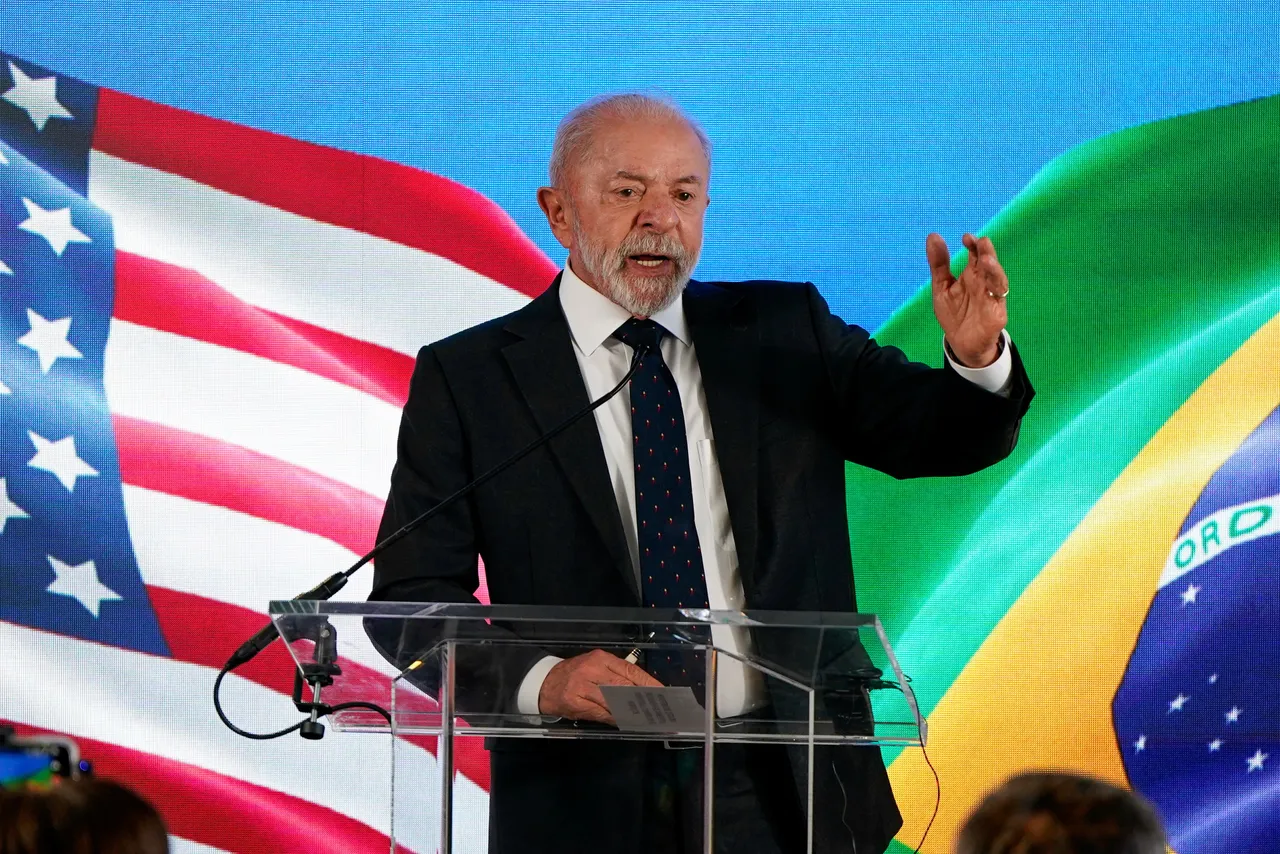
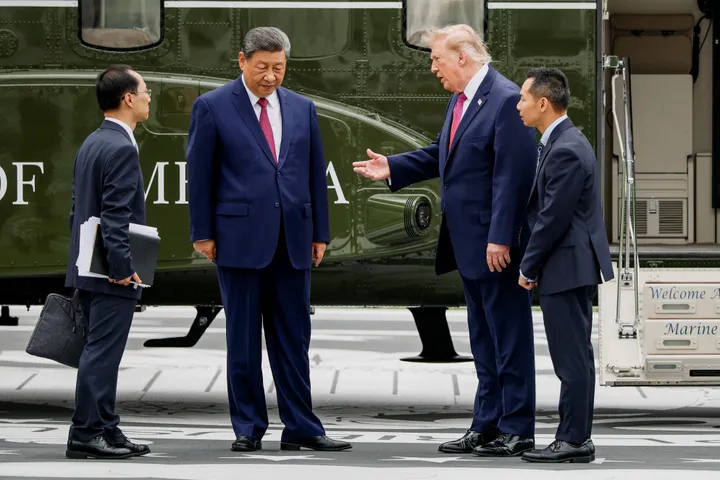
Washington DC — US President Donald Trump and Brazilian President Luiz Inacio Lula da Silva have hailed their lengthy meeting in Washington, DC, as positive, with Lula telling reporters that he has once again delivered to the US president the 2010 agreement on the Iranian nuclear issue that Brazil and Türkiye originally brokered.
"I handed it to Trump once again," Lula told reporters during a press conference in the Brazilian embassy on Thursday.
"For the second time, I presented him with the agreement that Brazil and Türkiye brokered in 2010 regarding the Iranian nuclear issue."
He said Brazil and Türkiye had managed to convince Iran to accept a revised agreement regarding the non-production of nuclear weapons, which he said was later undermined by the US and EU leadership at the time.
"Regrettably, when we finalised that agreement, I do not know why (then US President Barack) Obama and the European Union — and the rest of the world — decided to ramp up the pressure on Iran; possibly because the parties who had brokered the deal were 'Third World' nations — countries that do not belong to the elite club of global powers," the Brazilian leader revealed.
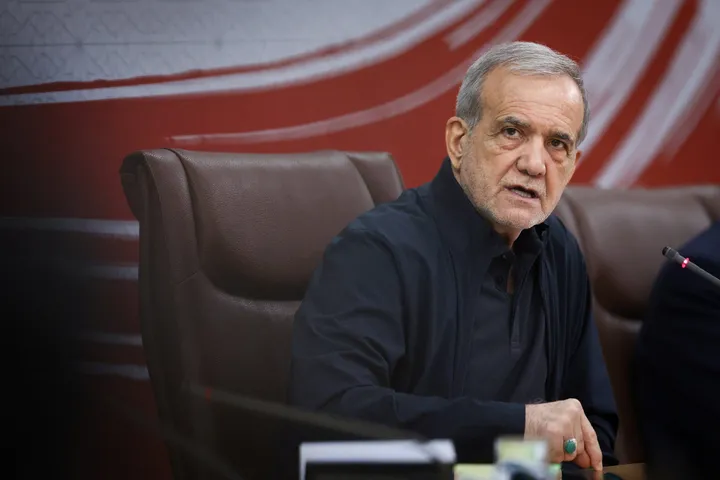
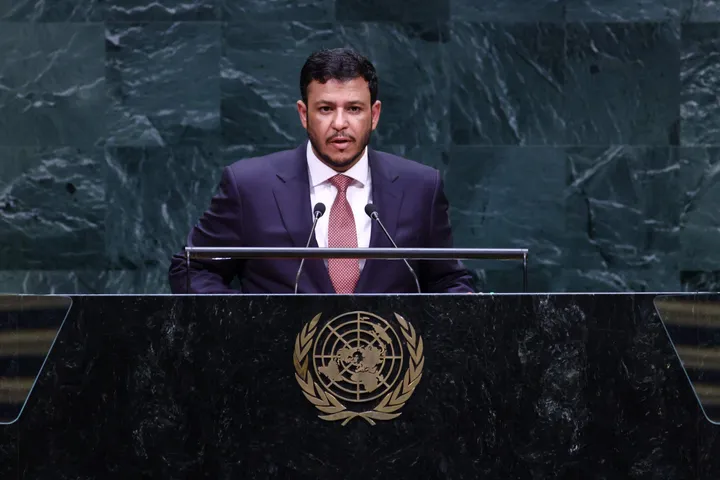



The 2010 Turkish-Brazilian brokered deal — under which Iran agreed to ship 1,200 kilos of its enriched uranium (70 percent of its stockpile) to Türkiye in exchange for medical reactor fuel, demonstrating both countries’ ability to craft pragmatic solutions.
Mirroring a Vienna Group proposal, the deal was rejected by the US and other powers as insufficient. They subsequently imposed further sanctions on the Iranian administration.
Middle East tensions surged after US and Israeli forces struck Iran on February 28. Tehran retaliated against Israel and US allies, closing the crucial waterway, Strait of Hormuz.
A truce mediated by Pakistan began on April 8, but Islamabad talks failed to yield a deal. Trump later extended the truce indefinitely. Five days later, US began to impose its blockade on Iranian ports, claiming it costs Iranian economy around $450 million a day.