Amar Diwakar
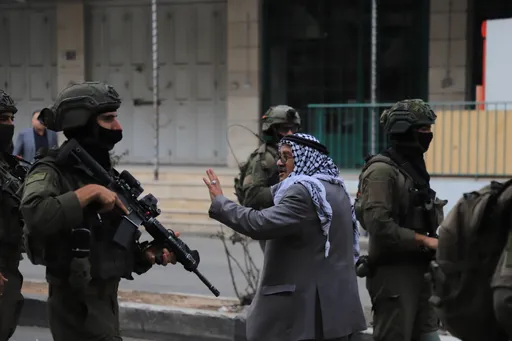
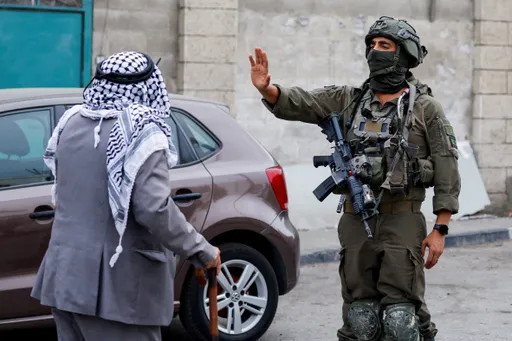
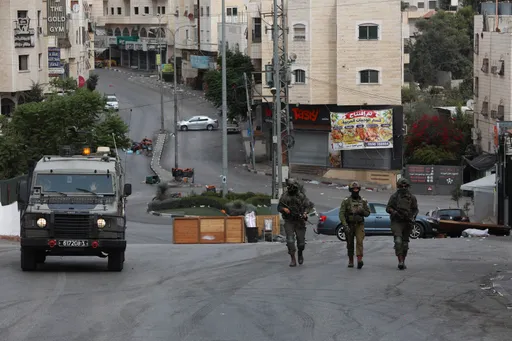
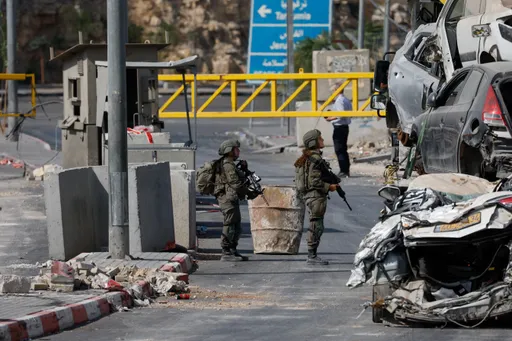
As Israel conducts its latest round of aggression against the Palestinians, the prevailing narrative often peddled in mainstream western media outlets continues to be implicitly framed to favour the Israeli narrative.
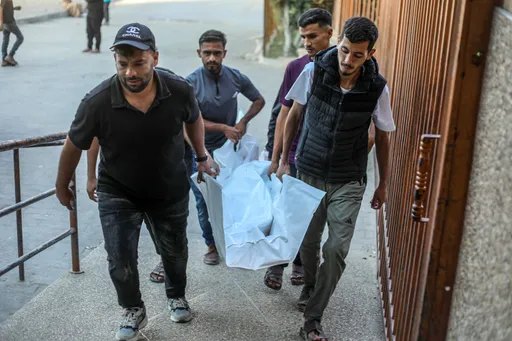
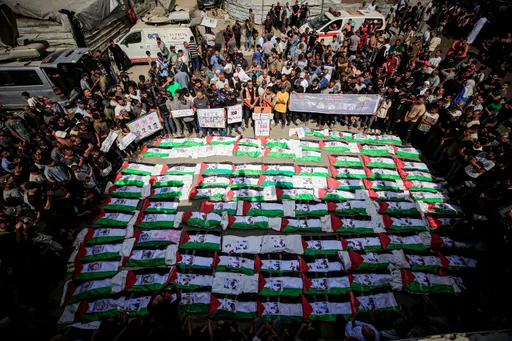
Under the guise of neutrality, media discourse has been to describe the conflict flaring up in occupied East Jerusalem as “clashes” between “both sides”. Israel’s ruthless bombardment of Gaza leading to the deaths of hundreds of civilians is rationalised as an act of “self defence” in response to Hamas’ indiscriminate rocket attacks and their use of “human shields”.
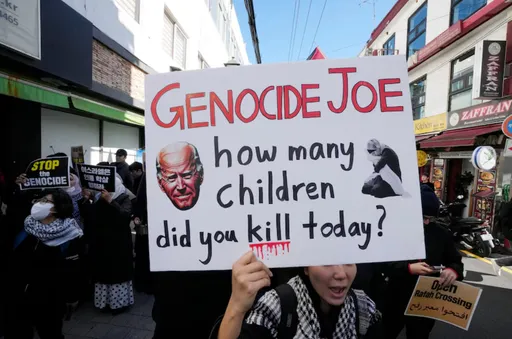
The Israeli state is deeply aware that perception shapes reality. While it commits alleged war crimes with impunity, it can only do so if there is a powerful enough propaganda machine it can deploy to counter inevitable public condemnation and international solidarity with Palestinians.
Enter 'hasbara’ – Israel’s primary messaging tool.
Hasbara – Hebrew for explanation – is a public diplomacy technique which links information warfare with the strategic objectives of the Israeli state. Public diplomacy is to be strategically conceived as a foreign policy priority, whereby a positive image of Israel is cultivated on the world stage, especially considering the image challenges Israel has continuously faced since its creation in 1948.
While rooted in earlier concepts of agitprop and censorship, hasbara does not look to jam the supply of contradictory information to audiences. Instead, it willingly accepts an open marketplace of opinion. What it seeks to do in this context is to promote selective listening by limiting the receptivity of audiences to information, rather than constricting its flow.
To accomplish its mission, hasbara targets diplomats, politicians and the public through mass media. It is also accomplished through numerous institutes and government agencies, as well as in research centres, universities, NGOs and lobbying firms.
Israel even offers hasbara fellowships, scholarships and grants to foster pro-Israeli advocacy, while a number of individuals from journalists to bloggers work to spin a positive image of the country.
Hasbara 2.0
Following the 2006 Lebanon war and ‘Operation Cast Lead’ two years later, both of which seriously damaged Israeli’s international reputation, there was a gradual shift between 2008 to 2012, to what the scholar Miriyam Aouragh called “Hasbara 2.0”: an assertive digital diplomacy that accounted for web 2.0 technologies like social media and YouTube.
Soon, hasbara-styled initiatives from the Israeli Defence Forces (IDF) were being synchronised into a new online branch, with a permanent team operating in liaison with the Ministry of Strategic Affairs in 2008.
In 2012, Israel would announce its war against Gaza on Twitter. During ‘Operation Pillar of Defense’, as Israeli-funneled talking points saturated the US and European media landscape, hasbara made heavy use of the more distilled communication channels of social media. It further exploited browser functions, search engine algorithms, and other automated mechanisms that controlled what content were presented to viewers.
In the process, Israel designed a narrative of itself as the innocent victim of Palestinian terrorism, one that was accorded with the sovereign right of defense against existential assault. This, despite the fact of having initiated the escalation, possessing advanced aerial power against an adversary without one, and unloading more than one thousand times as many tons of munitions on Gazans.
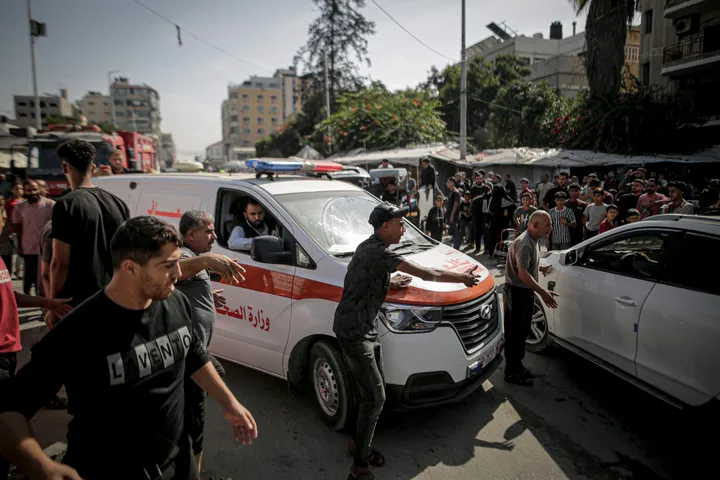
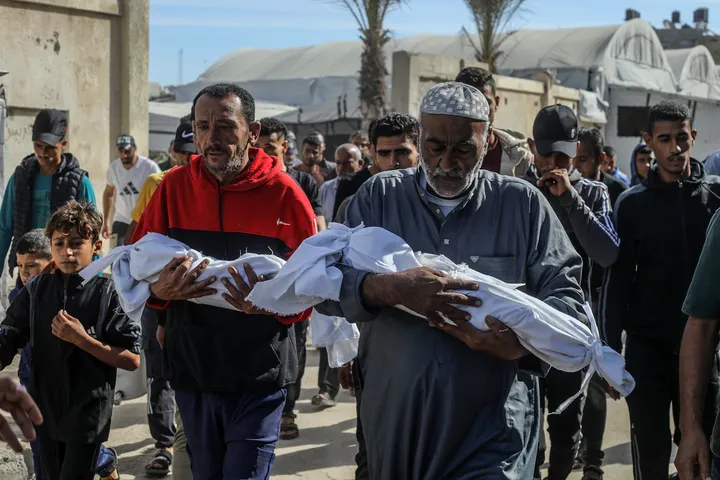
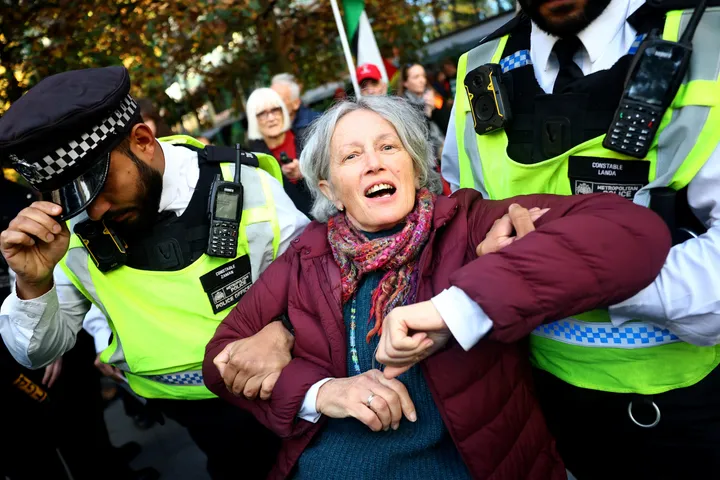
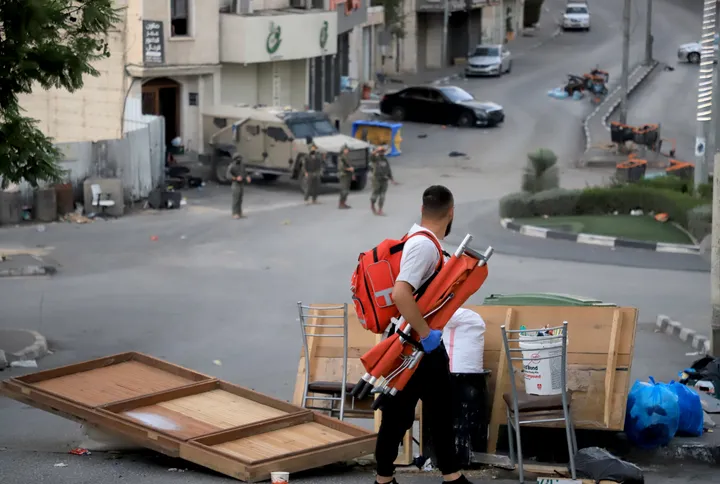
In 2014, Israel’s war in Gaza under ‘Operation Protective Edge’ prompted a much greater pushback to its media narrative, clearly underestimating the extent of the global outrage to their actions in Gaza.
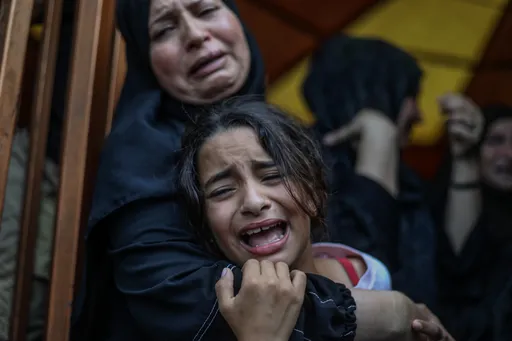
As images of destruction and dismembered bodies of innocent civilians flooded social media, hasbara proponents were forced to re-double their efforts in well-orchestrated PR campaigns that attempted to reframe war crimes with talking points to whitewash any disproportionate use of force – which even ended up being ineffective back in Israel.
Desperate measures
In the event this posturing fails, there are a few well-worn strategies in their arsenal that hasbara engineers have resorted to.
One has been to force the public to make a choice between Israel and Hamas. Today, we continually see this dichotomy played out on international broadcast segments; in doing so, Israel is framed as a rational and innocent actor provoked by an irrational terrorist threat, making any criticism of Israel’s actions de facto apologia for terrorism.
While a number of western governments have designated Hamas a terror organisation including the US and the European Union, Norway and Switzerland, they still maintain diplomatic ties with the group. Australia, New Zealand and the UK only consider its military wing a terrorist organisation. A number of other states outside of the West do not label it a terrorist organisation, and the UN in 2018 rejected a US resolution to condemn it as a terror organisation.
Probably the most common tactic has been to link any criticism of Israeli policies, whether its human rights violations or illegal colonisation of Palestinian land, to anti-Semitism.
One of the strategic threats in recent years has been the growing Boycott, Divestment and Sanctions (BDS) movement. Israeli officials have attempted to smear those who support BDS as anti-Semitic and claim it is linked to terrorism, while anti-BDS laws have been passed in the US.
Online, it has translated into pushing prominent social media companies to adopt the International Holocaust Remembrance Alliance working definition of anti-Semitism, which widens potential accusation of anti-Semitism to criticism of Israel.
The weaponisation of social justice issues and appropriation of ‘woke’ language is another frequently adopted strategy. For example the narrative of how Israel is the “only democracy” in the Middle East is repeated ad infinitum; indicating its the lone country which respects human rights and the rule of law in an otherwise regressive and hostile region.
“Pinkwashing” – cynically exploiting LGBTQ+ rights to amplify a progressive veneer and conceal Israeli crimes – has been added to the hasbara repertoire, along with the support for animal rights to “veganwash” occupation.
Ultimately, this discourse is meant to operate in juxtaposition against the “backward” Palestinian – to further dehumanise them among western audiences and soften criticism of Israel.