Paul Salvatori
On the heels of his kissing, without consent, footballer Jenni Hermoso, FIFA was swift to suspend Luis Rubiales — former coach of the Spanish football team.
Its principled decision, in keeping with FIFA’s Disciplinary Code, to do so was formally announced on August 23 and only days after the sexual assault.
The announcement stressed that Rubiales’ suspension, apart from disciplining the former coach, was to uphold the “fundamental rights of the national football team player Ms. Jennifer Hermoso and the good order of the [FIFA] disciplinary proceedings before this disciplinary body”.
There is of course nothing objectionable to this when considered alone. FIFA, as does any morally responsible sports entity, has an obligation to protect the rights of all its players (in the case of Hermoso, specifically, from sexual harm), as well as the integrity or “good order” of the means through which it actually does so.
When it fails to do that, human rights violations are allowed to occur without those responsible for them being held accountable.
FIFA, in disciplining Rubiales and also moving quickly to address a host of other human rights violations in recent memory, may appear not to be doing this. This is, however, immediately thrown into question when one considers FIFA’s consistent failure to discipline Israel for its sustained attacks, including those that have been fatal, against Palestinian footballers.
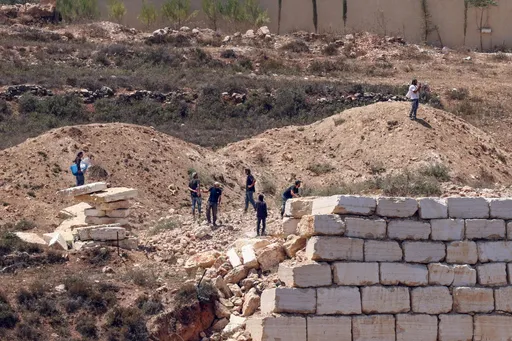
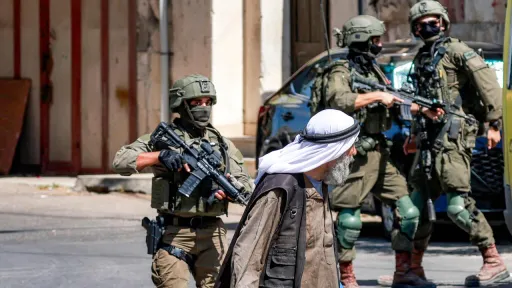
As human rights organisations Friends of Sabeel and Just Peace Advocates observe, Israel — contrary to international law — hampers the movements and travel of Palestinian football teams, prevents the building of Palestinian football facilities in the occupied West Bank and arrests (without cause) Palestinian footballers.
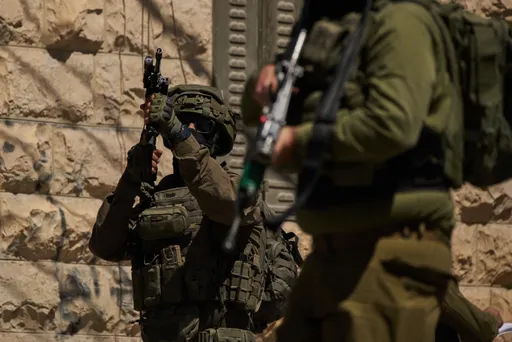
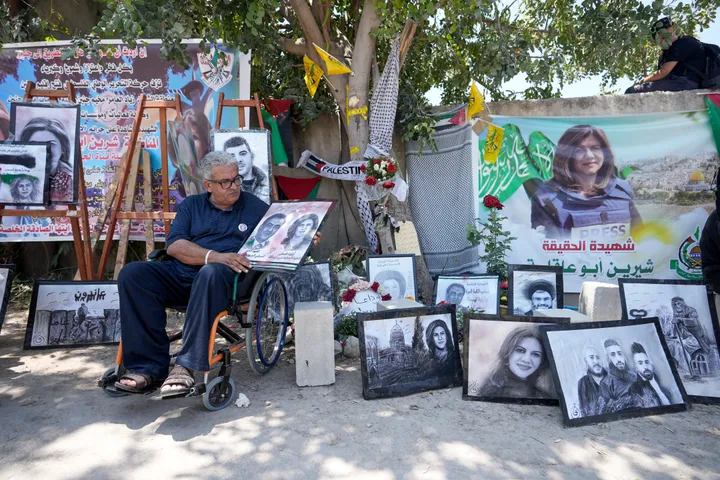
In December last year Israeli forces — during a raid of Nablus — shot to death one such footballer, namely Ahmad Atef Daraghmeh. Live fire first struck his foot (in addition to additional shots in the back), perhaps unsurprisingly as that may have been yet another attempt by Israel to end another football career had Daraghmeh survived the attack.

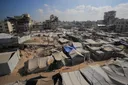

As in 2009 when Israel illegally detained, imprisoned and for several years tortured 14-year-old Palestinian footballer Mahmoud Sarsak, FIFA did nothing to hold Israel accountable for the death of Daraghmeh. That would involve sanctioning its national and/or other FIFA teams, preventing them from playing in any FIFA tournaments until it at least complies with international standards of human rights.
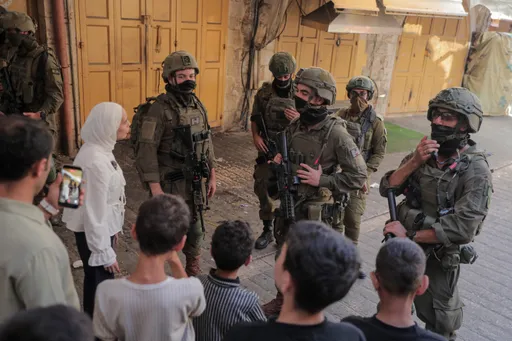
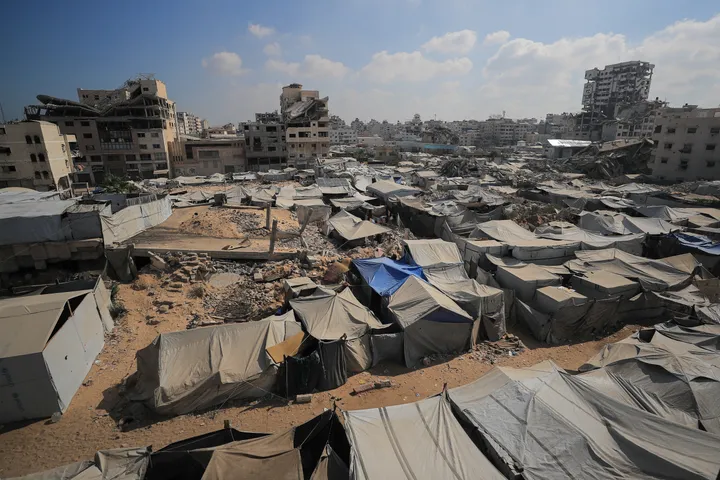
For starters this would require Israel ending its decades-long illegal occupation of the Palestinian territories. It is where Israel not only inflicts violence and abuse against Palestinian footballers but the Palestinian population in general. This no doubt includes a long history of sexual and other abuse against Palestinian women by the Israeli military — the recent humiliation of naked Palestinian women in Hebron being but one example.
It also begs the question: What has FIFA done for these women? Are Spanish or more broadly European women more important, in FIFA’s view, than Palestinian women?
The questions are relevant because FIFA does discipline countries within its league for what happens off the field and not just on it. That’s why, for example, Russia has been banned from participating in FIFA tournaments after launching a military campaign in Ukraine. In less recent memory, South Africa, on account of its former system of (constitutionally entrenched) anti-Black apartheid and Yugoslavia, for the violence it wreaked in the Balkans (early 90s), were banned from participating in FIFA tournaments.
There is no indication that FIFA is taking human rights more seriously. Last March it punished Indonesia for prohibiting Israel’s football team from participating in this year’s Under-20 [FIFA] Men’s World Cup. In turn, FIFA decided Indonesia would no longer be the tournament host. Beyond Indonesia, such decisions are designed to discourage other countries from acting similarly and hence further shields Israel from being disciplined or penalised by them as well.
To maintain, as reflected by FIFA “human rights approach”, that you respect such rights means that you do just that. You don’t ignore or turn a blind eye to them, whether it's against women, Palestinians, ethnic minorities, religious communities, etc. You address them head on and, among other things, help ensure the culprits are made to answer for them.
By the same token and speaking to the universality of human rights you cannot be for such rights sometimes – as when it might be, say, economically convenient – and not others. You desire that everyone, everywhere has them.
Though FIFA’s decision to suspend Rubiales is commendable, in so far as it sends the message that it does not tolerate sexual violence or abuse against women, it far from guarantees that FIFA is on the whole a progressive organisation. Until it is part of the larger international movement to free Palestine from Israeli occupation, instead of accommodating Israel football teams in its tournaments, it is directly complicit in normalising violence against Palestinians.
The beautiful game deserves better.