Abdulaziz Ahmet YASAR
US Sanctions on Iran
In spite of international protests, the US has imposed "the toughest" of economic sanctions against Iran.
The sanctions come into force at 6am GMT on November 5, 2018.
On November 4, 1979, Iranian revolutionaries stormed the US embassy in Tehran during which 52 American diplomats and citizens were held hostage for 444 days.
According to President Hassan Rouhani, it is no coincidence that the Americans decided to impose sanctions so close to the anniversary of a date which ruptured American-Iranian relations.
"The people of Iran should know that the government is not afraid of America's threats," he added, claiming the latest move was a "new injustice" by the US against Iran.
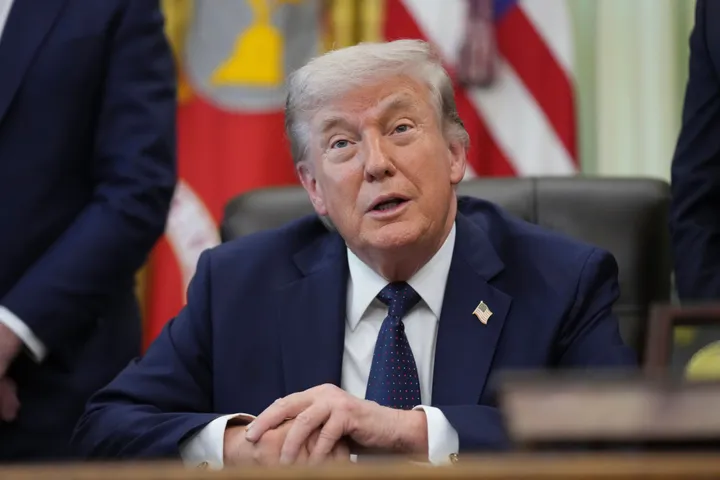
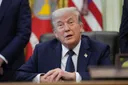
The Trump administration wants to deprive Tehran of one of its most important sources of foreign exchange and increase economic pressure on the country.
It intends above all to hit the oil industry, as well as the banking and financial sectors, the transport industry and major ports.
For the time being, however, eight states are exempt, US Secretary of State Mike Pompeo said on Friday evening. Among them are Turkey, India, Japan and South Korea.
Political Reactions
"We will proudly bypass your illegal, unjust sanctions because it's against international regulations," said Rouhan.
"America wanted to cut to zero Iran's oil sales ... but we will continue to sell our oil ... to break sanctions," he added.
Even Ali Jafari, Commander of the Iranian Revolutionary Guard Corps, spoke at nationwide rallies on Sunday, November 4, with Iranian students in attendance, to mark the US embassy takeover and commemorate the official Iranian National Day of the Fight Against Global Arrogance and Student Day.
“Do not threaten us militarily and do not scare us with military threats," he added, while also referring to the Iran naval incident in 2016.
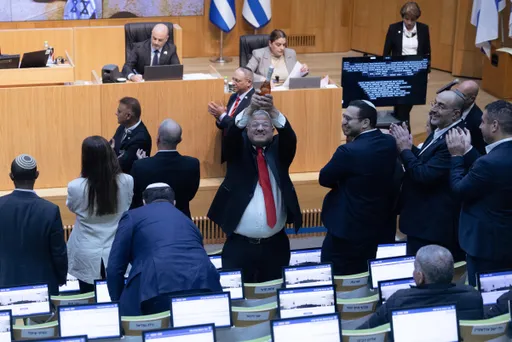
The Iranian parliament, Majlis, started to take steps to deal with US sanctions.
The parliament drafted a bill to sanction US goods and the goods of states collaborating with the US, which will be forbidden from entering the Iranian market.
"All countries that pursue the US in avoiding the sale or purchase of oil or any other goods to and from Iran, or cooperate with the US in limiting their citizens or governments'... are considered as US collaborators in the imposition of sanctions against Iran and will be subject to the punishment envisaged in the bill."
The Iranian Foreign Minister Javad Zarif mocked the sanctions arguing that the fact that there are several exemptions indicates that they are unworkable.
Online Reactions
The Iran News Wire, an online news platform, shared a piece on the 25th October, two weeks before the sanctions, that those steps by the US are not avoidable by Iran anymore and that the already worse economic situation may cause serious conditions for the people of Iran.
The platform shared a piece titled 'Iran's economic super crisis', criticising official and political statements that these sanctions won't have be unbearable character.
The Islamic Republic News Agency (IRNA) news agenda landscape is determined by wires on economic relations between Iran and other countries, e.g. "Italian company after buying Iran crude", "Switzerland against anti-Iran sanctions", "EU against US' anti-Iran sanctions".
Basically, the editorial follows a policy of international discontent towards the sanctions and probably aims to proof how illegitimate they are.
The Mehr News Agencyfollows a similar editorial policy as the IRNA.
A different approach by the media
Besides the political statements, four of Iran's leading newspapers published a joint editorial article in English and Persian.
The Iran Daily, Hamshahri, Etelaat, and Sazandeg piece titled 'In Defense of Freedom' and indicates the inconsistencies with the US Constitution and international law.
The four newspapers appeal to all journalists worldwide on the grounds that the American government limits the freedoms of the Iranian people through poverty and restrictions.
"The US government claims that its sanctions are targeting the Iranian government, not on Iranian people, while the Iranian government believes that the sanction will do no harm."
All in all, Iranian news outlets, online platforms and politicians opposite the US sanctions. Which is an obvious and clearly understandable case.
However, there is a different tone taken by politicians and officials who have a determinant stance in opposition to the Trump's administration.
In opposite, the joint editorial appeal by the four newspapers illustrates a case of trying to find a common ground that these sanctions will not reach its purpose of "targeting the Iranian government", but harming the majority of ordinary Iranian citizens.
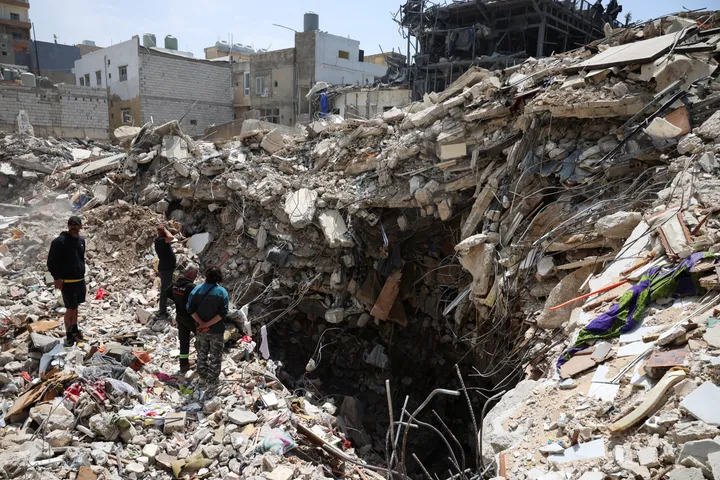
Further, online platforms assist by focusing on economic consequences they will and can have on an already financially stricken economy, with high inflation and a falling national currency.