25:35
25:35
More Videos
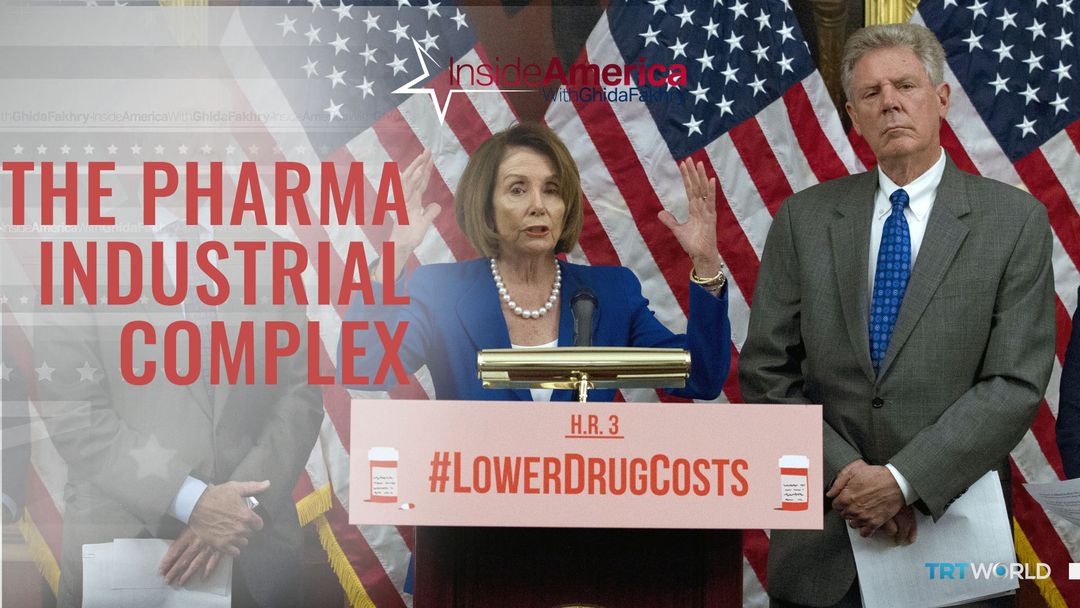
The Pharma Industrial Complex | Inside America with Ghida Fakhry
It is one of the key provisions in President Biden’s Build Back Better legislation, which is expected to be voted on this week in the House of Representatives, and something Democrats have been working on for several decades: how to regulate and lower the price of prescription medication in the United States.
According to a new report, prescription drugs in the US are, on average, 256% times higher overall than 32 other countries. US prices are 170% higher than they are in Mexico and 779% higher than they are in Turkey. For brand-name drugs, the gap is even higher: 344%.
Earlier this month, Congressional Democrats managed to revise and save a reform proposal on prescription drugs that was originally dropped from the Build Back Better Act, Biden’s wide-ranging social spending bill. Under the new plan, the US government would negotiate the cost of 10 drugs starting in 2025, and Pharmaceutical companies would be penalized for price hikes exceeding the inflation rates. The original plan to allow the government to negotiate the price of, first, 25, and then 50 prescription drugs, would have saved, according to the White House, $450 billion over ten years; under the agreed plan, those savings will amount to $250 billion.
Guests:
Raja Krishnamoorthi
US Congressman from Illinois (D)
Saul Anuzis
President of the 60 Plus Association
David Mitchell
President and Founder of Patients for Affordable Drugs
More Videos