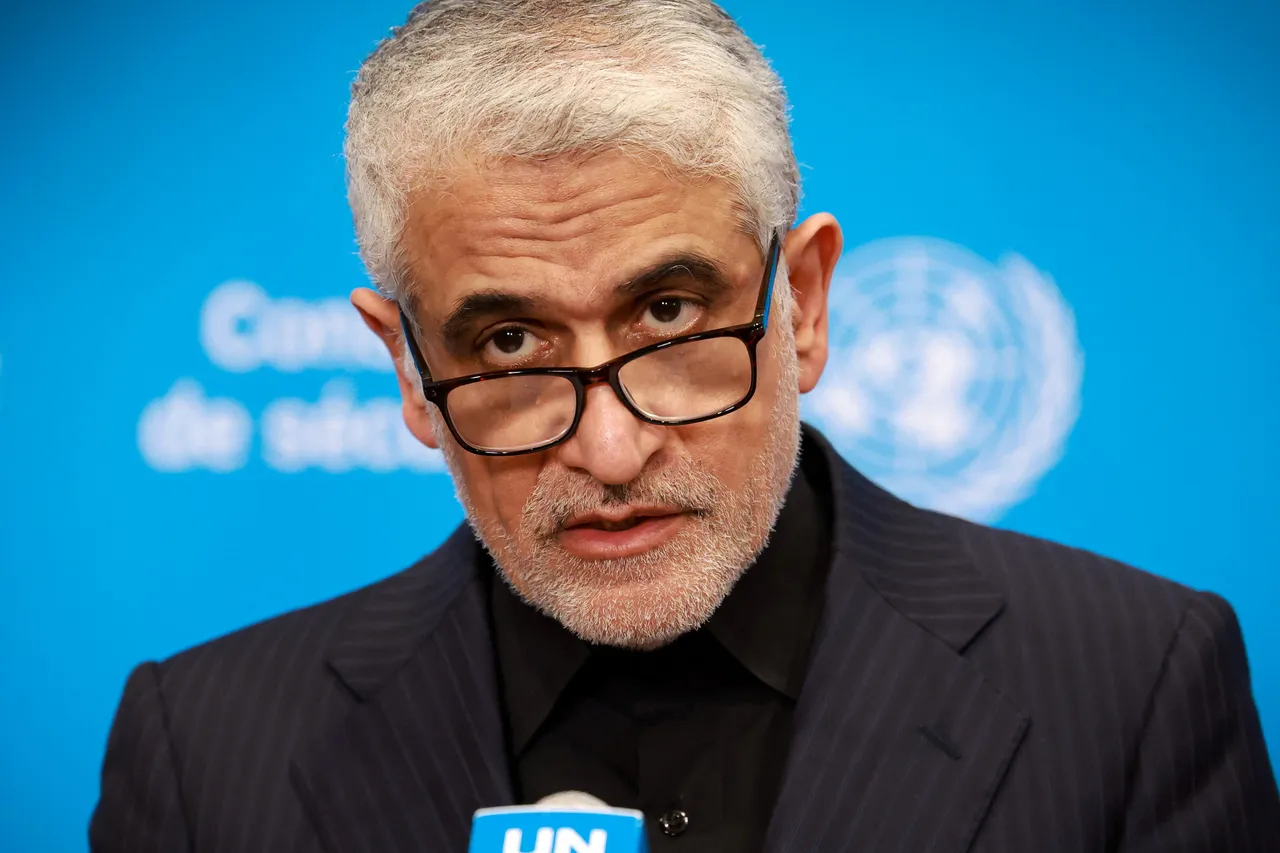
Iran's ambassador to the United Nations has said that Washington's maritime blockade against Tehran represents "a clear act of aggression" under international law, while signalling cautious hope that ongoing negotiations could still yield results.
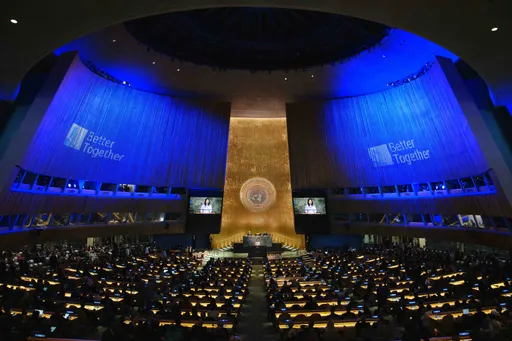
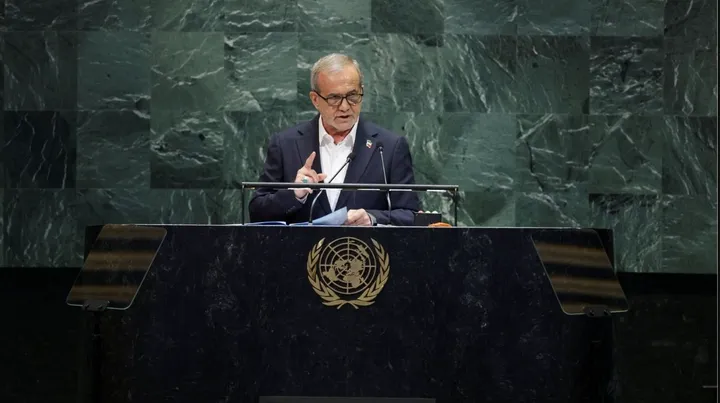
Speaking on Thursday at the UN General Assembly's veto debate over a draft resolution on the closure of the Strait of Hormuz, Amir Saeid Iravani defended the Chinese and Russian vetoes and charged the United States with triggering the crisis through military force.
"The imposition of the maritime blockade announced by the United States constitutes a grave violation of the sovereignty and territorial integrity of Iran," Iravani said, calling it "a clear act of aggression on international law."
He argued Washington's actions harmed third parties as well, saying the US “infringes upon the rights of third states’ unlawful maritime commerce."
Iravani stressed that Iran had acted lawfully, noting that Tehran had "implemented necessary and precautionary measures to ensure the safety and security of navigation through the Strait of Hormuz," measures "designed to facilitate the continuous and safe passage of vessels while preventing the exploitation of this waterway for hostile or military purposes."

Despite the accusations, he pointed to the need for diplomacy and said: "Despite our deep mistrust of the United States, stemming from its repeated betrayal of diplomacy, we nevertheless entered the negotiations in good faith and remain cautiously optimistic."
"We believe that, should the United States adopt a rational and constructive approach and refrain from advancing demands that are inconsistent with international law, these negotiations can lead to a meaningful outcome," he added.
Iravani also pushed back against the session itself, objecting to what he called a "biased and one-sided statement" by the General Assembly President Annalena Baerbock, accusing her of "departing from the mandate and institutional responsibilities of that office" and failing to uphold the strict impartiality required of the role.
He ended by rejecting "all unfounded and politically motivated allegations" made against Iran during the meeting.