 Kazim Alam
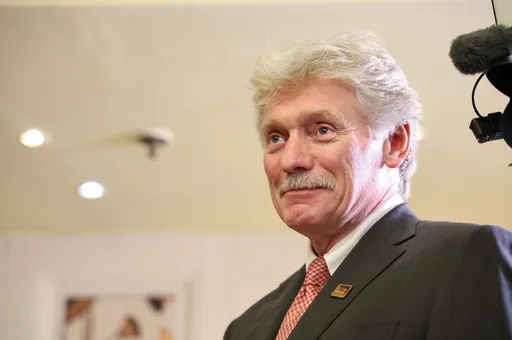
The international humanitarian aid summit on Gaza, currently underway in Istanbul, is a “manifestation of the dignity of humanity” aimed at keeping global attention on the suffering of Palestinians, Dr Hafiz Osman Sahin, deputy head of Türkiye’s Presidency of Religious Affairs (Diyanet), said.
Speaking at the opening session on Tuesday, Sahin welcomed nearly 400 representatives from 200 civil society organisations and 40 countries to the two-day summit, titled “The Future of Gaza,” organised by the Türkiye Diyanet Foundation.
“This meeting is the meeting of those who feel in their hearts the divine command that whoever saves one life, it is as if he has saved all humanity,” he said.
The objective of the summit is to highlight Gaza’s Israeli-induced humanitarian crisis and boost global solidarity by addressing the urgent needs of infrastructure, health, education, and housing in the war-torn enclave.
Sahin described Gaza as a “blessed land” that has preserved its dignity despite siege and oppression.
“The humanitarian tragedy taking place before the eyes of the world today is actually a test not only for Gaza but for all humanity,” Sahin said.
According to the UN Independent International Commission of Inquiry on the Occupied Palestinian Territory, Israel has committed genocide against Palestinians in Gaza.
Israeli authorities and Israeli security forces have committed four of the five genocidal acts defined by the 1948 Convention on the Prevention and Punishment of the Crime of Genocide.
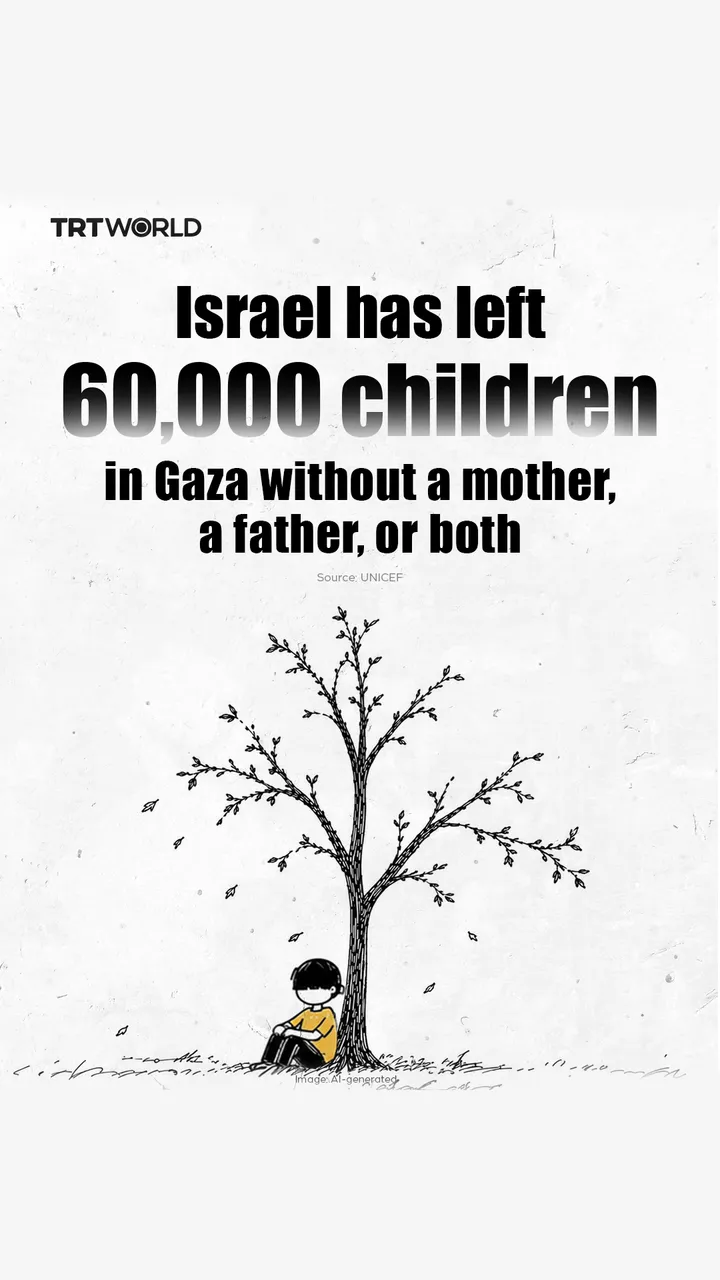
Israel’s incessant bombing of Gaza has killed more than 68,000 people, mostly women and children, since October 2023.
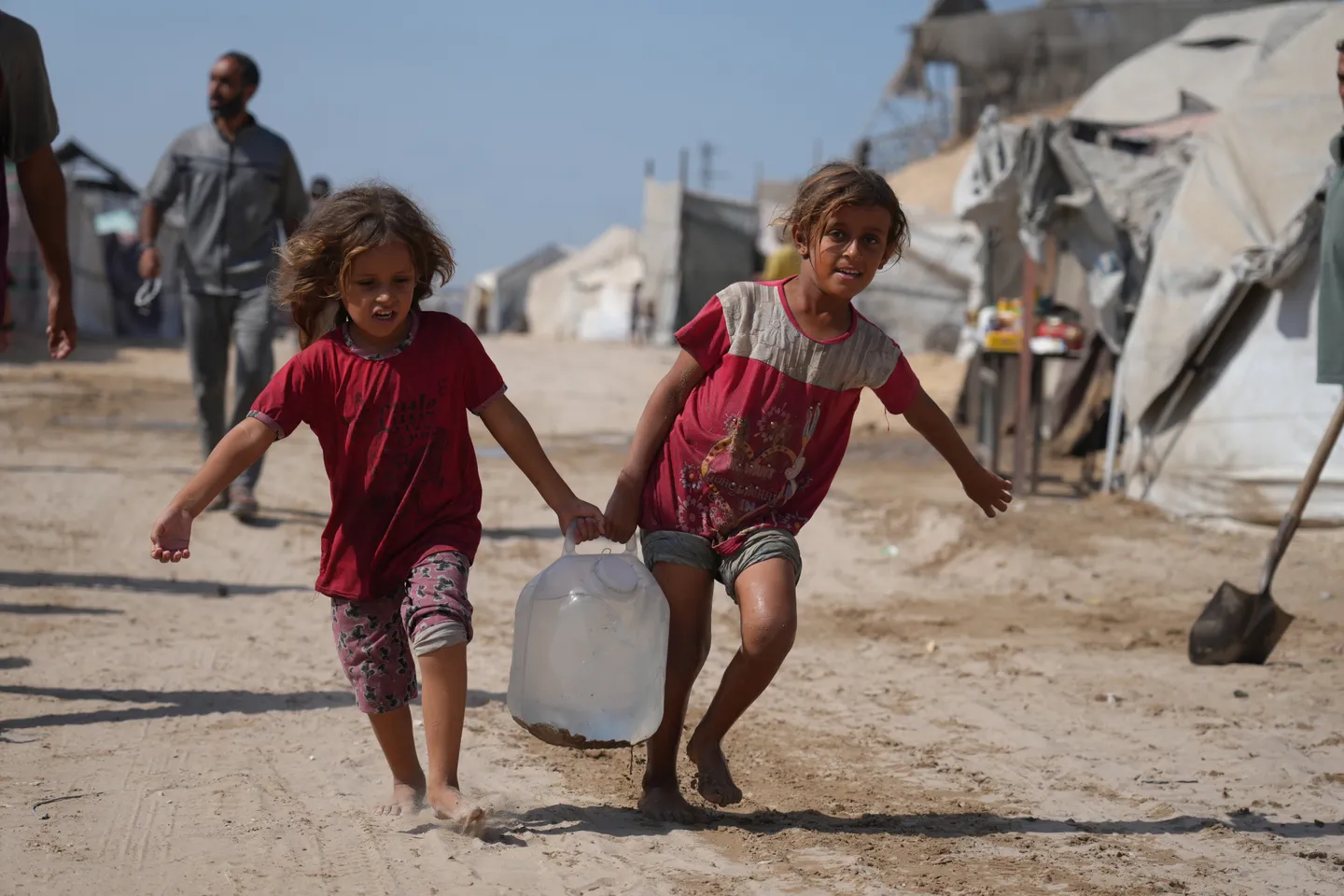
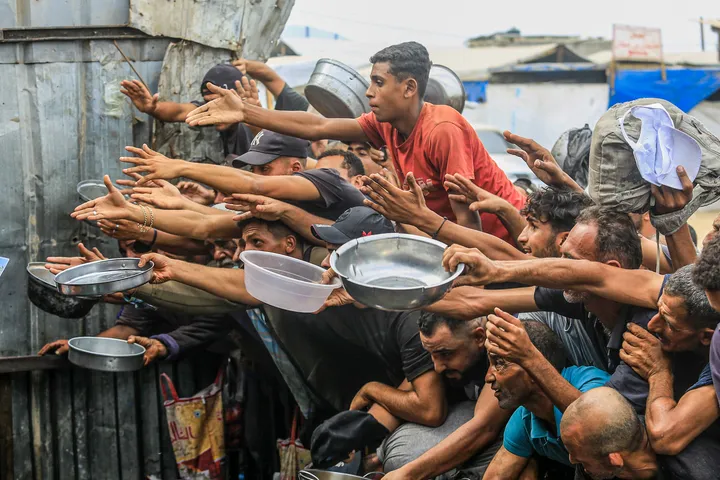
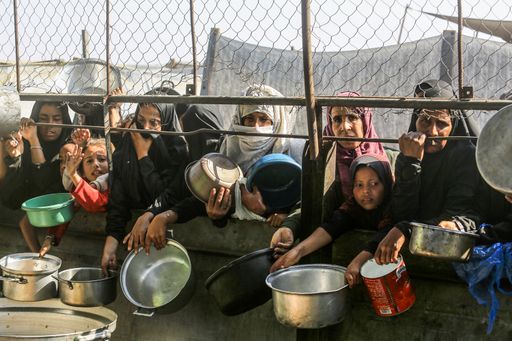
Sahin outlined the harsh conditions that prevail in Gaza after the recent ceasefire: the entire population suffers high-level acute food insecurity, millions need emergency shelter, nearly everyone requires health services, and hundreds of thousands of women and children endure severe psychological trauma.
Meanwhile, schools remain disrupted, and damaged mosques and water wells await repair.
“We believe that the highest support for Gaza is not forgetting it,” he said. “Forgetting is oppression. Remembering is the first step of resistance,” he said.
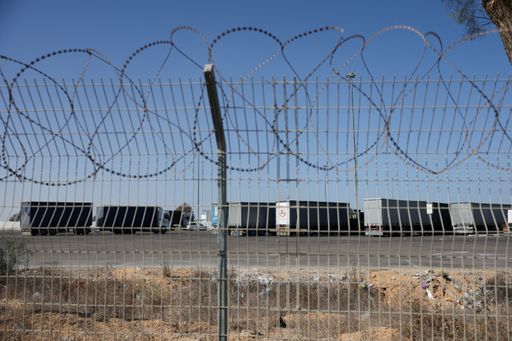
Since October 7, 2023, Diyanet Foundation has delivered 1,100 truckloads of aid to Gaza, reaching approximately nine million people with assistance valued at nearly $40 million.
In a subsequent interview with TRT World, Sahin says the summit’s purpose is to consult with organisations from multiple countries on how to coordinate and deliver humanitarian aid effectively.
He praised Türkiye’s President Recep Tayyip Erdogan for personally engaging in the Gaza issue from the beginning and for leaving no stone unturned to stop the war.
He emphasised deep historical and emotional ties between the Turkish and Palestinian peoples. “As a nation, our heart beats in Gaza,” Sahin says.
“Their trouble is our trouble. We did not forget Gaza, we will not forget, and we will not let it be forgotten,” he says.
The summit also featured recorded and in-person remarks from representatives of international aid organisations, who painted a grim picture of Gaza’s ongoing crisis and issued urgent calls for action.
In a pre-recorded opening address, Dr Amjad Al Shawa, director general of the Palestinian NGOs Network, spoke from Gaza City, describing it as a “wounded steadfast city” still uncovering daily horrors despite a month-old ceasefire.
“About 2.2 million Palestinian citizens continue to live under siege in harsh conditions that cannot be described in words,” he said.
“Our children are hungry and sick, our elderly have lost their medicines, people with disabilities have lost their assistive tools under the rubble of their homes.”
Al Shawa said the Israeli occupation had destroyed more than 85 percent of water services and targeted hospitals and clinics “with a clear goal of deepening this crisis and prolonging it”.
He noted daily discoveries of new malnutrition cases, particularly among women and children, with “thousands of children… between life and death on the brink of danger”.
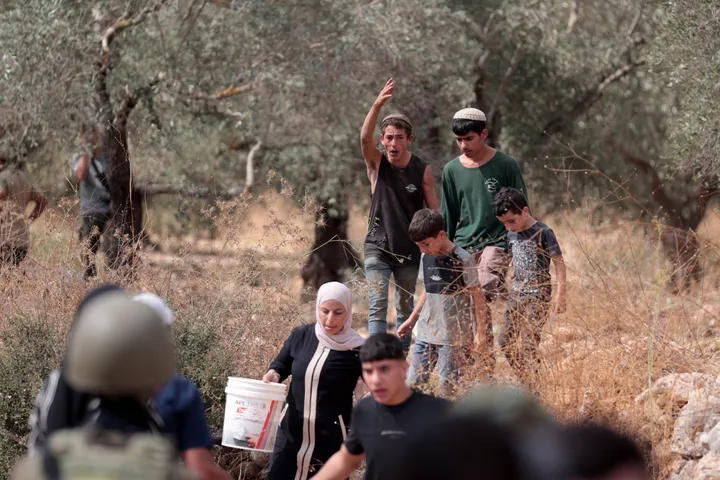
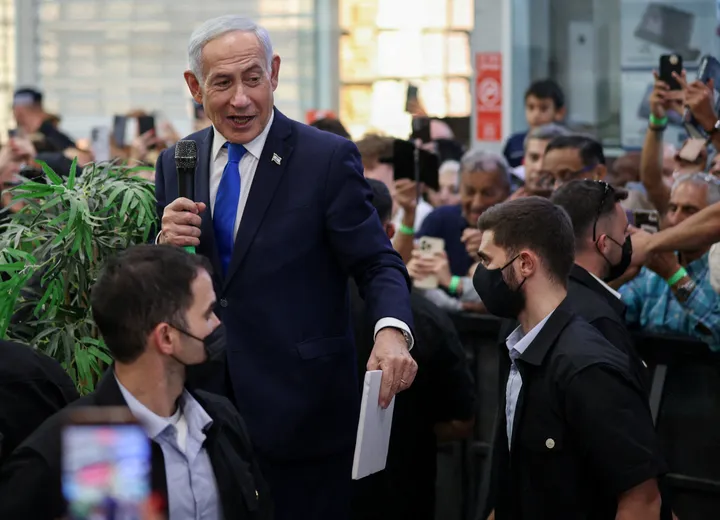



Fuel shortages hamper recovery efforts, and Israeli authorities delay equipment and tents for days.
“We are still trying to heal our wounds and extract the bodies of our martyrs from under the rubble where the Israeli occupation prevents the entry of equipment,” he said.
Dr Jiab Suleiman, director of medical relief at the US-based nonprofit Scholars Without Borders, called the Istanbul gathering “a profound humanitarian gathering where the conscience of the world comes together for Gaza”.
Suleiman highlighted his organisation’s 200-plus-bed field hospital in Gaza’s southern city of Khan Younis as a model of rapid humanitarian response, along with a school in Gaza, which started with 1,200 students last year and now serves over 6,000.
“This is a beacon of hope and learning under siege,” he said. “It proves that as long as a child learns in Gaza, hope endures and the future lives on.”
As an orthopaedic surgeon who has joined multiple medical missions to Gaza and a Palestinian American, Suleiman insisted that Gaza does not ask for sympathy. “It calls for partnership,” he said, urging aid organisations to collaborate for meaningful results.
He urged a global education partnership, noting that “92 percent of the schools in Gaza are completely destroyed” while 300,000 school-age students remain without education.
Scholars Without Borders is seeking funding to develop over 300 schools across Gaza, using their current overcrowded facility as a scalable model.
“Our hope is that upon the conclusion of this conference, we form the necessary partnership to fund the development of over 300 schools across Gaza,” Suleiman said.
Speaking to TRT World, Mansoor Raja, chief operating officer of Pakistan-based Baitussalam Welfare Trust, identified accessibility as the primary obstacle to aid delivery in Gaza.
Operating through Turkish partners, his organisation provides cooked food, collaborates with the UN’s relief agency UNRWA, and supports medical initiatives in the besieged territory.
He said the current level of aid allowed into Gaza is minuscule considering the extent of the disaster that has unfolded over the past two years.
Raja praised Pakistani donors, saying they are donating to Gaza with open hearts. “They are willing to cut their own expenses and try to help Palestinians because they consider it is their responsibility, not charity.”
Supplies currently move via Egypt and Jordan, but Raja expressed optimism. “Once accessibility restrictions are lifted, we hope we can expand our operations to a great extent.”
Ambassador Mehmet Gulluoglu, a medical doctor and Türkiye’s humanitarian aid coordinator for Palestine, echoed the accessibility challenge.
“I think the most important and most difficult challenge is accessibility,” he says. Despite available capacity and funds, security restrictions and deliberate delays hinder delivery.
“Unfortunately, sometimes starvation is used as a weapon,” Gulluoglu says.
He acknowledged improvements since the ceasefire.
“Compared to one month ago, or compared to three months ago, five months ago, the situation in Gaza is better. There is no severe famine, there is no severe starvation,” he says.
Yet critical gaps persist.
“There is still malnutrition, there are still very big problems in energy, in health, in education, in shelters,” he said, estimating that about 95 percent of the needs of a normal life are missing in Gaza.