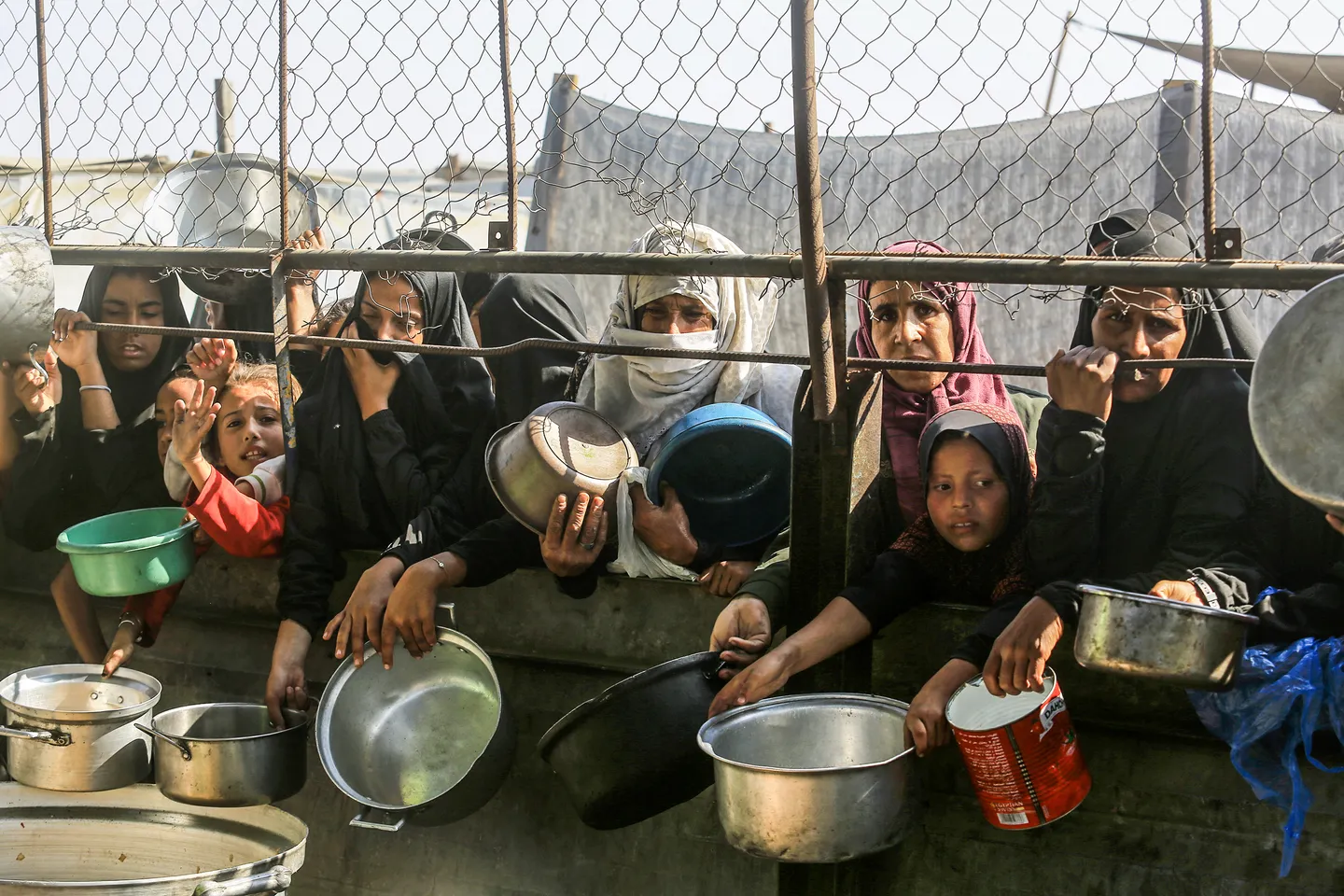
The UN has said that Israel has rejected 107 requests for the entry of relief materials into Gaza since an October 10 ceasefire, blocking essential humanitarian supplies.
"Our partners report that since the ceasefire, the Israeli authorities have rejected 107 requests for the entry of relief materials, including blankets, winter clothes and tools and materials to maintain and operate water, sanitation and hygiene services," spokesperson Farhan Haq said during a news conference on Thursday.
"Almost 90 percent of these rejected requests were from over 330 local and international NGOs, of which more than half of the requests were denied on the grounds that the organisations were not authorised to bring relief items into Gaza."
Citing the Office for the Coordination of Humanitarian Affairs (OCHA), Haq noted that "continued detonations of residential buildings have been reported daily in multiple areas where the Israeli military remains deployed, especially in eastern Khan Younis, Eastern Gaza City and Rafah."
So-called ‘yellow line’
Saying that Israeli strikes near the so-called "yellow line" continue, resulting in casualties, Haq stressed that "these military activities put civilians, including aid workers, at risk."

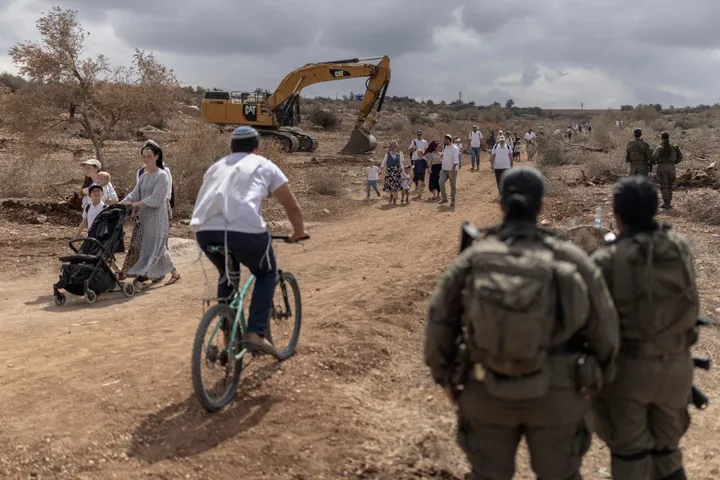





He reminded "the Israeli military of its obligation to take constant care to spare them throughout its operations."
The "yellow line" is the first withdrawal line outlined in the initial phase of the ceasefire agreement between Israel and Hamas, which took effect on October 10.
It separates areas still under Israeli military occupation in the east from those where Palestinians are permitted to move in the west.
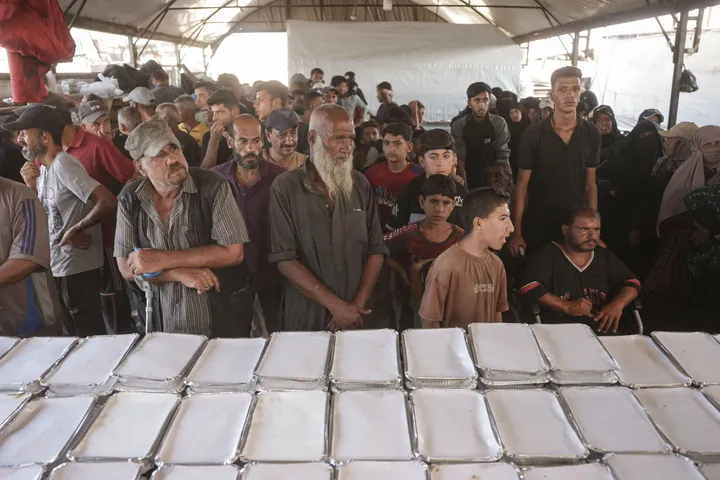
On the continued movement of civilians across the enclave, Haq reported that "more than 680,000 movements from southern to northern Gaza have been observed since the onset of the ceasefire, while nearly 113,000 movements from western to eastern Khan Younis have also been reported."
"However, our partners say that many displaced people have reported a desire to remain in their current locations due to widespread destruction, lack of alternatives and continued uncertainty about safety and services in their areas of origin," he said.